The Story
Why it exists.
The beginning
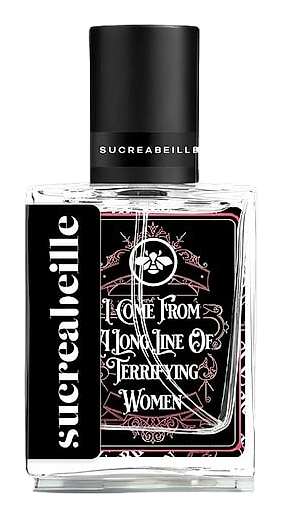
There's a confidence that runs in families, the kind passed down like a recipe or a scar. Sucreabeille bottled that inheritance into a composition built on gunpowder, tobacco absolute, and whiskey, flanked by rosewood and guaiac wood, anchored in amber. It carries a quiet kind of gravity, the kind that settles into a room before anyone speaks. The gunpowder isn't decoration. It's the thesis. Someone in this lineage wasn't afraid to start a fire when the room went quiet, and the tobacco absolute carries that same stubborn warmth long after the conversation has ended. Sucreabeille built the formula to honor that energy, drawing on materials that feel weathered and sure of themselves, the kind of ingredients that don't need to be introduced.
What makes this composition worth noticing is the restraint in the heart. The gunpowder threads through the center like a wire, giving the opening a metallic, sulfurous edge that prevents the formula from collapsing into dessert territory. That sharp mineral quality is what keeps the whiskey honest. Without it, the boozy sweetness could easily take over, but here the gunpowder acts as a counterweight, pulling everything back toward something drier, smokier, and far more grounded.
The evolution
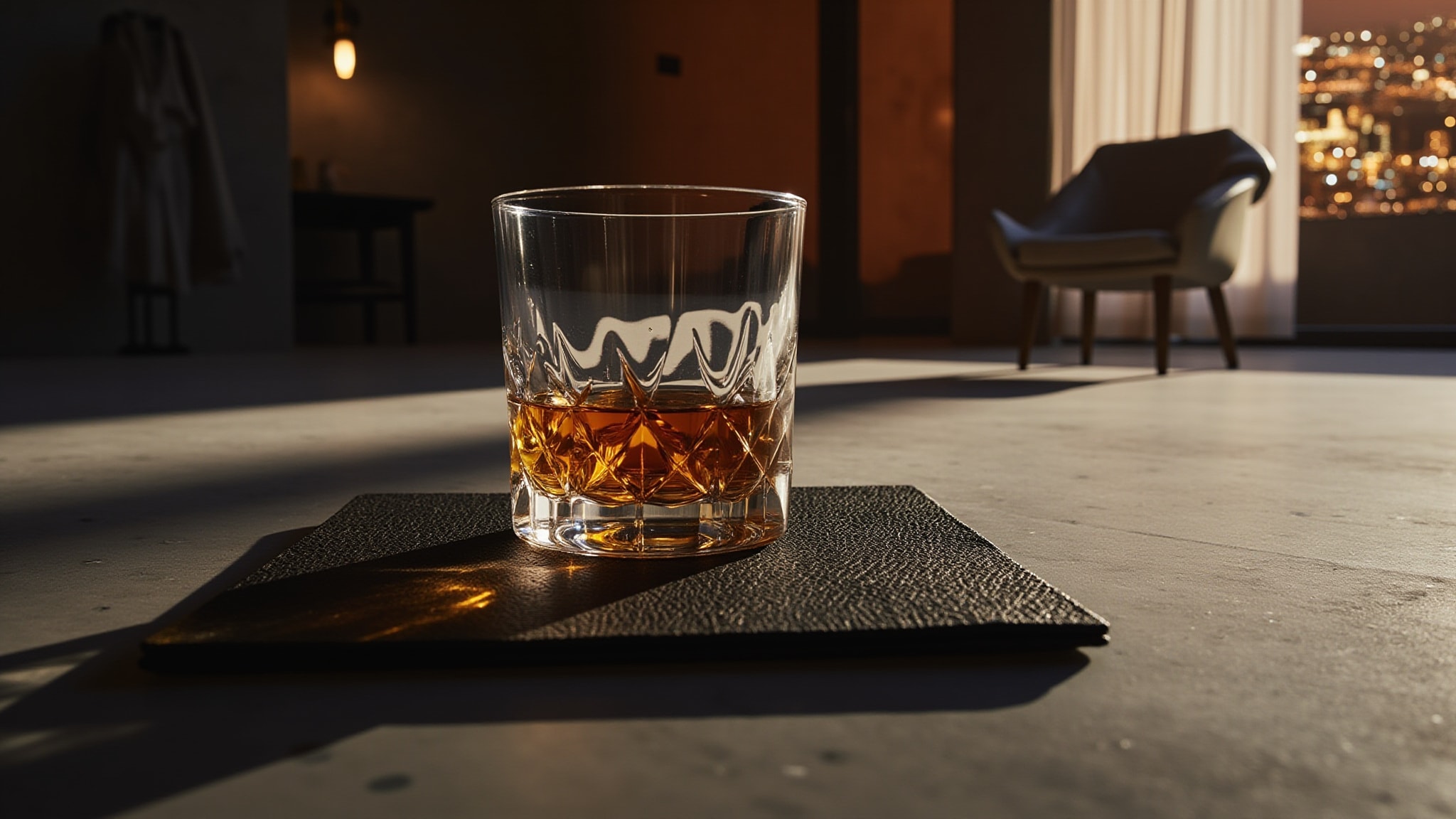
The gunpowder announces itself in the first ten minutes, sharp and mineral, almost flinty on the skin. It's unexpected, especially in a composition this warm, and it grabs attention before the woods even arrive. By the forty-minute point the whiskey has softened, the boozy heat rounding into something that smells like a glass left breathing on a leather coaster. The rosewood comes forward here, red and woody, with a quiet resinous warmth underneath. The tobacco absolute weaves through the heart phase like a slow exhale, dark and slightly sweet, more pipe tobacco than cigarette ash. Around the two-hour mark the gunpowder has fully dissolved into the base, and what remains is guaiac wood and amber, smoky and golden, sitting close to the skin. This is where the scent earns its reputation. The drydown lasts a full workday on most skin types, and the next morning, on a sweater or scarf, it still smells like the last hour of a conversation that mattered.
Cultural impact
This fragrance wears like a declaration. The gunpowder-whiskey combination reads less like perfumery and more like someone announcing themselves at the bar. There's nothing shy about it, nothing apologetic. From the moment it hits the skin, the composition asserts itself with the kind of confidence that demands a second inhale. The gunpowder crackles first, that sharp metallic flicker cutting through any ambient noise, followed quickly by the slow burn of whiskey and tobacco. As the scent develops, the woods rise up, smoky and dry, wrapping the opening in something denser and more contemplative.