The Story
Why it exists.
The beginning
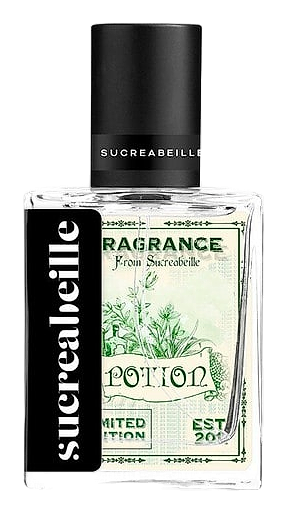
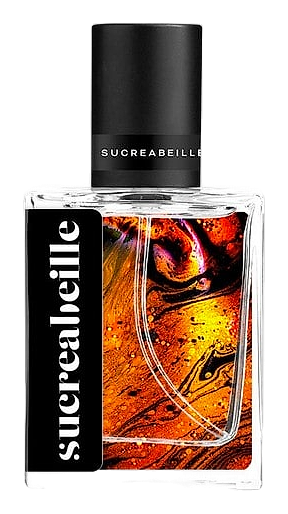
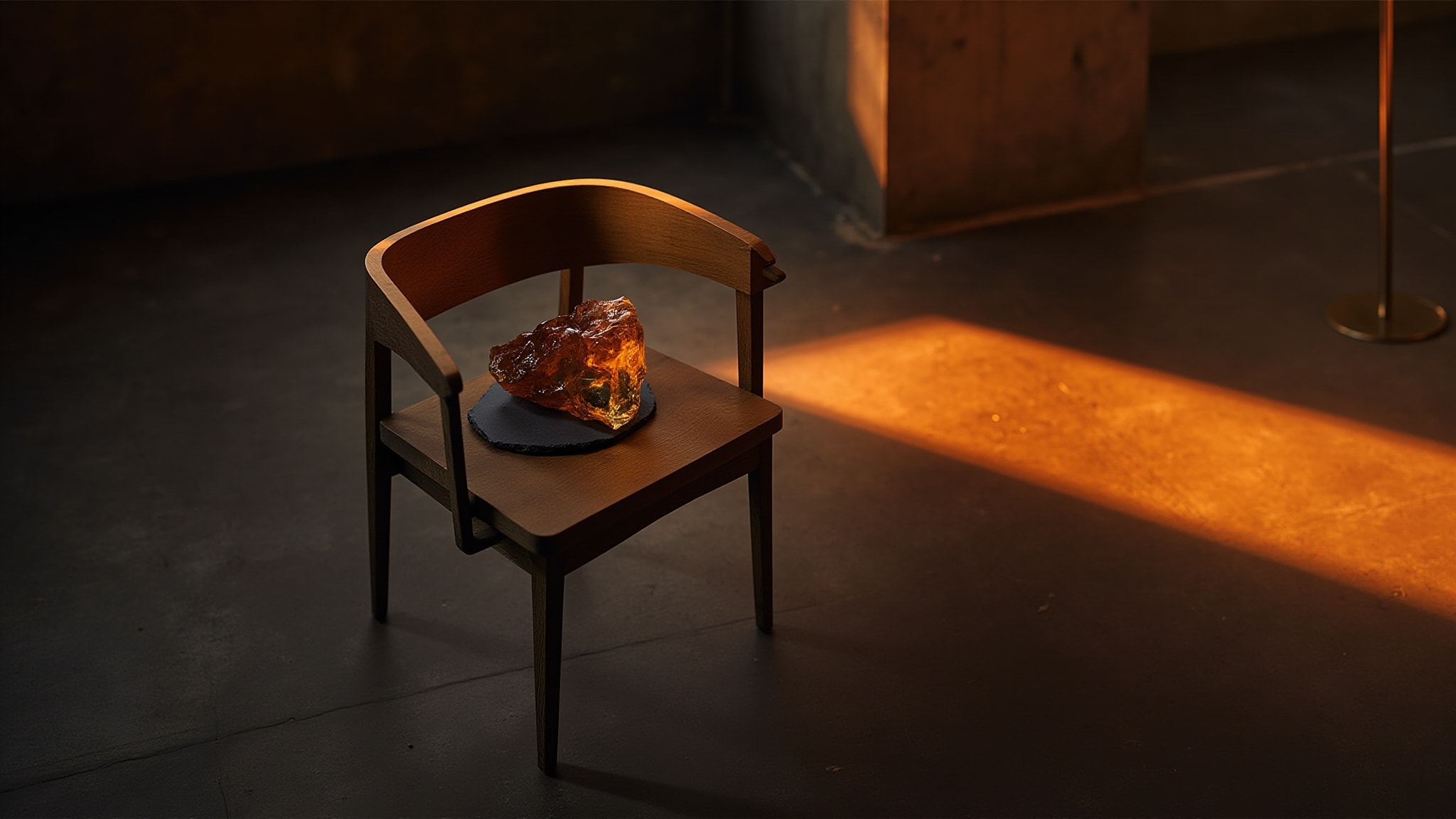
Amber Fire arrived in 2024 from Sucreabeille. The fragrance draws its identity from a single, focused premise: what does amber smell like when it catches fire? Not ambergris dissolved in base notes. Amber as fuel, amber as smoke, amber as resin cracking under heat in a hearth. Sucreabeille released Amber Fire with a note pyramid stripped down to two materials: amber and smoke. That's it. No supporting cast of vanilla and tonka, no background choir of labdanum and benzoin stacked behind the headline. Just the question of what happens when tree resin meets flame and the answer rendered in two olfactory materials. The kind of warmth that arrives in January and stays through March, the kind that makes a room feel smaller and closer and more sheltered from the cold pressing against the glass.
What makes Amber Fire unusual is the structural honesty. The published note list contains only amber and smoke, and the fragrance commits to that brevity without compromise. The smoke carries an ashen quality that feels ancient rather than synthetic, the kind of dry warmth that recalls wood that has burned down to its embers. The combination creates a feedback loop between the two materials. The amber gives the smoke a sweetness the smoke cannot generate alone, and the smoke gives the amber a roughness it would lack on its own.
The evolution
The first thirty minutes lean heavily into the smoke. It arrives sharp, almost peppery, with the bite of a fire that has just been lit and is still finding its fuel. That sharpness softens quickly. Within the first hour, the amber asserts itself, not as a separate layer but as a warmth that spreads through the smoke like heat through wood. The two materials blur into something that smells less like a combination and more like a single process caught mid-burn. By the second hour, the composition has shifted from sharp smoke to something denser and more contemplative. The resin sweetness deepens. The smoke loses its ashen edge and becomes warmer, rounder, more like the smell of a fireplace that has been burning for hours rather than minutes. That second-hour phase is where Amber Fire finds its identity.
Cultural impact
Amber Fire sits in a category of its own because of how directly it addresses its premise. A two-note composition that names amber and smoke and then delivers amber and smoke, without dilution, extra padding, or background players softening the edges. The scent reads as a winter-comfort fragrance in the most literal sense: a composition built around the specific warmth of resin meeting flame. Wearing it feels less like applying a fragrance and more like stepping into a scene, a room with a fire burning low, the cold kept at bay by something golden and persistent in the air.