
The Story
Why it exists.
The beginning
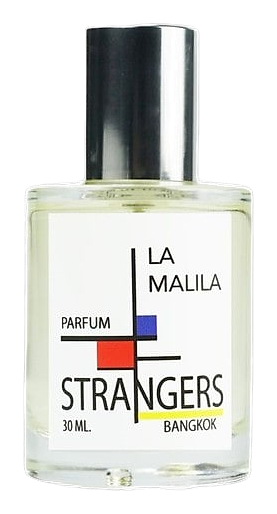
La Malila takes its name from a traditional Thai children's game, a passing rhyme passed between children in the schoolyard, fingers touching in sequence. It's a fragrant memory before it's a perfume. Prin Lomros built the composition around that same spirit of play and connection, layering Thai flowers and sacred woods into something that feels simultaneously familiar and distant, like a half-remembered melody from somewhere you've never been.
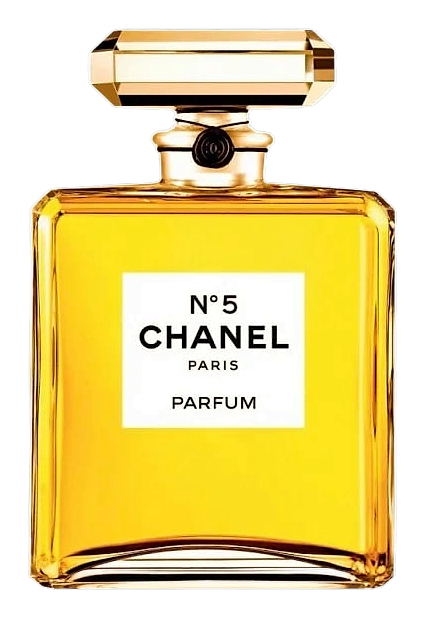
The unusual pairing of aldehydes with tropical florals gives La Malila its split personality. Aldehydes signal formality, the crispness of old-world perfumery, Chanel No. 5, the perfumed air of a grandmother's dressing room. But gardenia, frangipani, and bread flower belong to a different register entirely: humid air, temple gardens, the sweet smell of something tropical. Ylang-ylang and sandalwood hold the two halves together, preventing the tropical warmth from becoming garish and the aldehydic sharpness from becoming cold. It bridges two worlds without choosing either.
The evolution
The aldehydes hit first, sharp, almost fizzy, a flash of brightness that announces the fragrance before you fully smell it. Within minutes, jasmine sambac and night-blooming jasmine push through, softening the edges into something rounder and warmer. The heart belongs to gardenia and frangipani, their creaminess tempered by a subtle greenness from the orange blossom. By the second hour, the aldehydes have mostly retreated, leaving the tropical florals to bloom on their own. Indian tuberose adds a slightly animalic depth, a whisper of something that clings to skin rather than floating above it. The drydown is where the bread flower becomes apparent: faintly sweet, faintly bread-like, unlike anything else in the fragrance. Mysore sandalwood and white musk settle into the base, adding a woody warmth that extends the wear for six to eight hours on most skin types.
Cultural impact
La Malila has become a collector's item since its discontinuation, sought by those who found it before it vanished. It occupies a specific corner of the fragrance world: Southeast Asian sensibility meets old-world perfumery structure, aldehydic formality softened by tropical warmth. For those who wear it, it becomes a personal signature, not because it's famous, but because it's hard to find and easy to love.