The Story
Why it exists.
The beginning
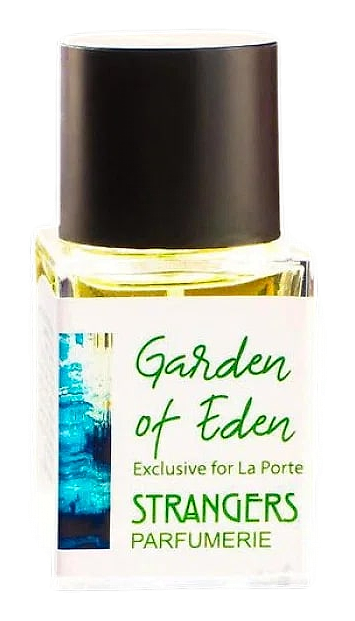
Garden Of Eden landed in 2023, a release that uses one of the oldest images in Western art as its starting point and then picks it apart leaf by leaf. Where most compositions touching on paradise reach for something ethereal or gilded, this one stays grounded. The premise is straightforward: what does green actually smell like when it isn't being manicured? Wet leaves after a downpour, stems snapped between fingers, the damp exhale of soil that hasn't dried yet. There's heat here too, the kind that rises off pavement the moment rain stops. Everything about the composition leans into the idea that Eden wasn't a painting on a chapel ceiling. It was a place you could stand in, sweat on your neck, and feel the green pressing back against you.
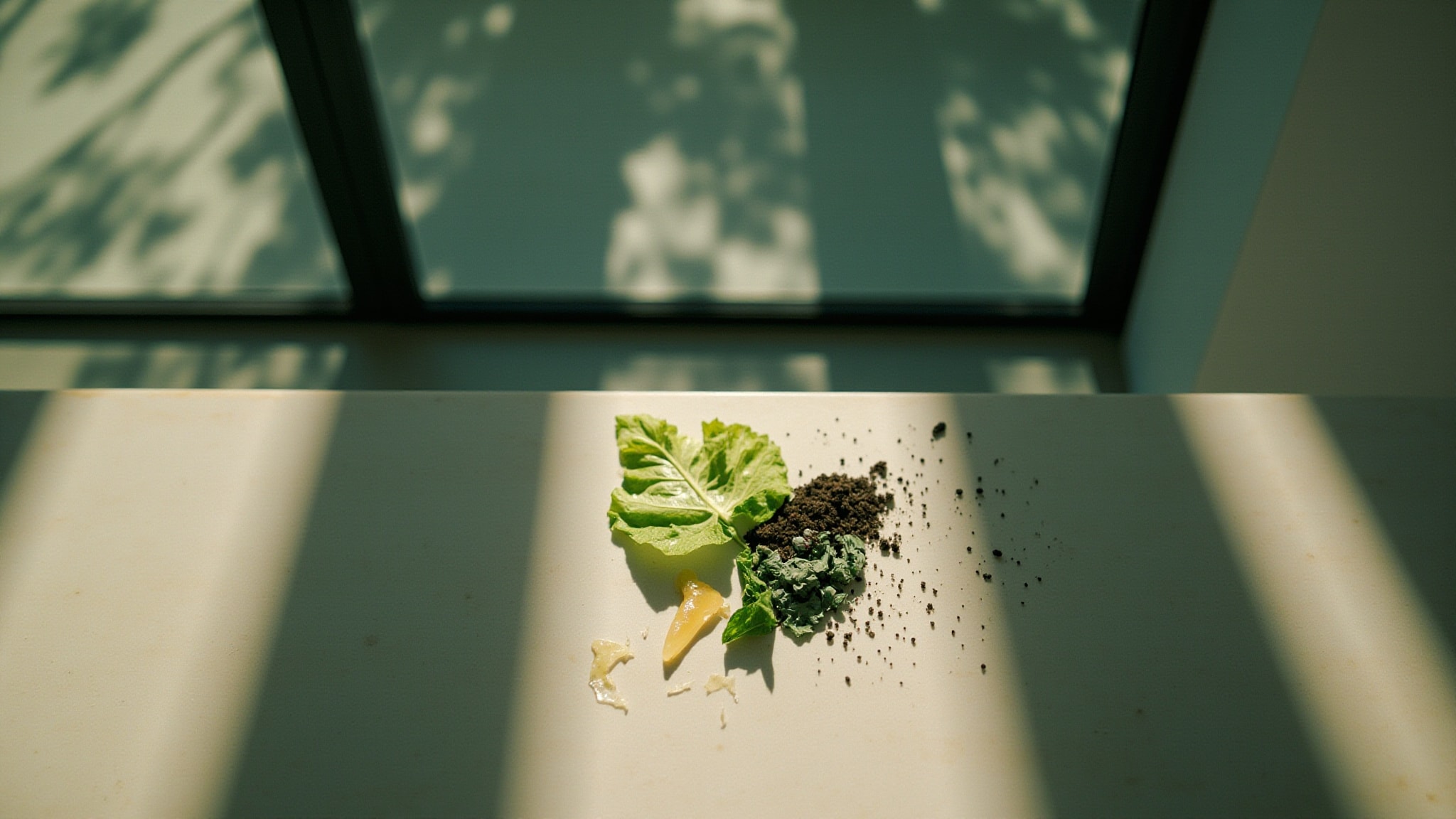
What makes this composition work is the sheer volume of green stacked into a single bottle without ever collapsing into a monolithic wall of foliage. Bamboo, galbanum, pine needles, olive leaf, cypress, fern, mint, basil, calamus. The list reads like an inventory taken from a walk through overgrown ground rather than a perfumer's organ. Lavender and geranium and tonka weave underneath, giving the greens a skeleton so they don't dissolve into a wash of generic chlorophyll.
The evolution
The opening half hour is a green assault, and that's not an exaggeration. Mint and galbanum hit cold and bright, almost mentholated, then bamboo and basil start warming it up into something closer to a greenhouse at midday. Cypress and pine needles add resinous weight underneath, which means the whole thing never reads as thin or vague. The first hour keeps that initial brightness cranked high, with the cool mint gradually making room for the heavier coniferous notes. As time passes, lavender and geranium settle in alongside leather and tonka, and that initial vegetal sharpness mellows into something rounder, more cushioned. Calamus gives it a persistent rooty undertone that hangs around long after the top notes burn off.
Cultural impact
Garden Of Eden doesn't borrow from the usual green-fragrance references, and that's part of what makes it land differently. Where many green compositions settle into something restrained and polite, this one commits to a heavier, denser read. The composition refuses the clinical cleanliness that defines so much of modern perfumery. It smells alive and slightly wild, saturated with green in ways that feel closer to being inside a garden than looking at one from across a room.