The Story
Why it exists.
The beginning
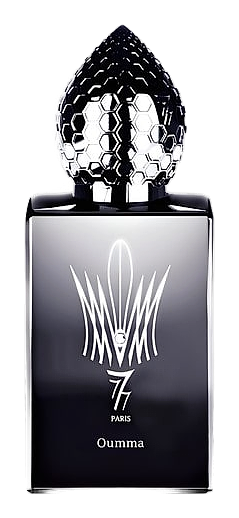
Stéphane Humbert Lucas sees what others smell. His synesthesia means color arrives as fragrance, sound as scent, a neurological gift that rerouted him from canvas to perfume. Around 2010 he opened a hybrid boutique-laboratory on rue Quincampoix in Paris, near the Pompidou, where pigment and essence coexisted. Oumma came from that space. The name means mother in Arabic, not sentimentality, but the idea of a primary presence. Something that arrives before language, before explanation. The fragrance doesn't beg for attention. It occupies.
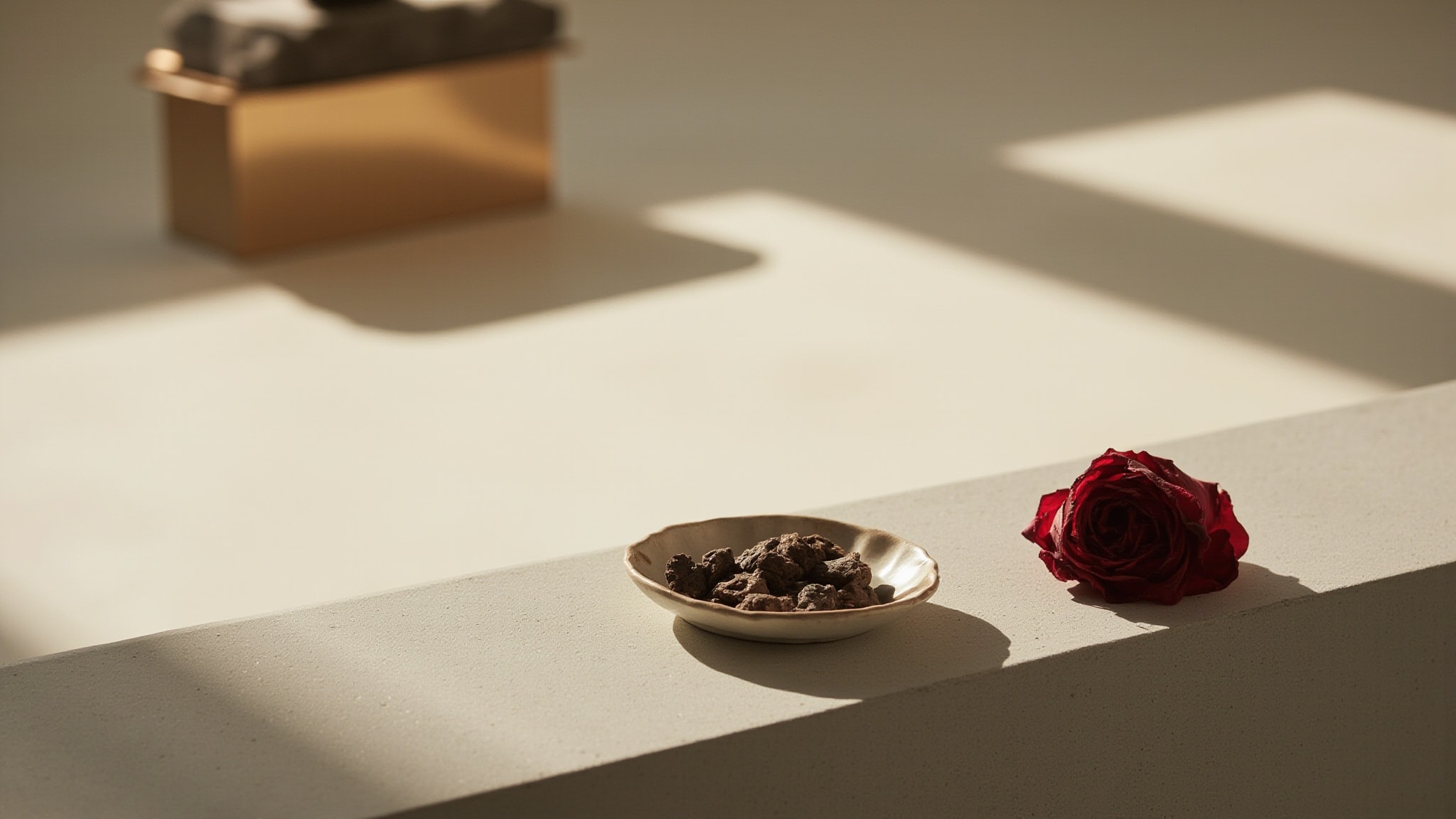
Three roses might seem excessive. Moroccan for spice, Bulgarian for softness, Grasse for creaminess, but in Oumma they function as one accord, a single idea expressed three times. Egyptian jasmine threads through, not as a solo but as a harmonic. The two balsams, Tolu sweet and resinous, Peru warm and vanilla-adjacent, give the florals something to lean against. Then the base: Agarwood, Nagarmotha, Cade oil. Three materials that have no business being gentle. Together they build something woody and oriental and unhurried.
The evolution
Hour one. The roses arrive almost together. Moroccan first, a brief spice, then Bulgarian's softness, then Grasse's cream. Jasmine underpins everything, quiet as a supporting hand. The balms are already present, warming the air. The oud? Not yet. It waits. Lets the florals settle first, like a foundation being poured. Hour two. The composition shifts. Florals begin their slow exit. The oud arrives, not sweet, not creamy, but smoky and dark. Nagarmotha adds earth, grounding the smoke. Cade oil brings leather, resin, something slightly medicinal. The roses haven't disappeared. They're beneath, fading but present. The smoke takes over the conversation. Hours three through six. The smoke settles. Becomes intimate rather than theatrical. The oud, nagarmotha, and cade build a base that feels ancient, wood and incense and sacred spaces. Roses are a memory now, not a note. The composition is austere, resinous, deep. On paper it reads linear. On skin it breathes, the smoke and the balms constantly in conversation. The drydown. Smoke softens to something close, almost shy.
Cultural impact
Oumma belongs to the collector who treats fragrance as practice rather than product. It doesn't announce itself, it occupies. The smoky rose and oud base draws those who already know what they want, bypassing the casual browser entirely. In a collection, it functions as the quiet anchor. Not the first fragrance someone reaches for, but the one they return to.