
The Story
Why it exists.
The beginning
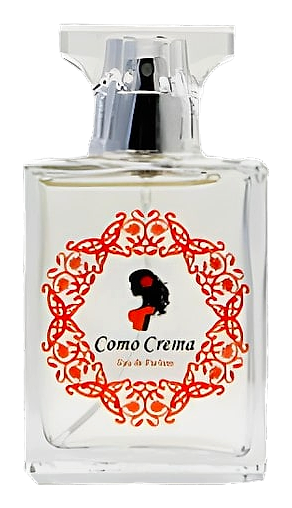
The name Como Crema suggests the Italian lake town, tidy, prosperous, with gardens sloping toward the water. Linda Sivrican, the nose behind this composition, clearly had escape in mind. Not the glossy resort kind. Something cooler. More considered. The brief seems to have been: tropical escape, but make it intimate. Coconut milk as the centerpiece, repeated in both the top and heart, a rare structural choice that keeps the entire fragrance moored to that creamy, edible character. Banana leaf opens the composition with an unusual green snap that prevents the coconut from tipping into pure confection. Brown sugar appears twice: in the heart alongside jasmine and rose, and in the base with sandalwood. The effect is sweetness that accumulates rather than announces itself. This isn't a fragrance built around trend.
What makes Como Crema structurally unusual is the placement of its edible notes. Most gourmand fragrances build sweetness into the drydown, vanilla, tonka, praline arrive late and stay close. Sivrican reversed the architecture. The coconut milk and brown sugar arrive early and carry the heart. The banana leaf in the opening isn't just green, it's the counterweight. It provides the cool, almost mineral lift that keeps the coconut from reading as sunscreen or suntan oil. Without it, the composition would be pleasant but flat. With it, there's tension. Jasmine and rose follow, but sugared rather than pure, they exist in service of the edible character, not as independent floral statements.
The evolution
First impression: banana leaf and coconut. That green snap arrives first, clean, almost vegetal, like tearing a frond in a humid garden. The coconut milk follows within minutes, softening the opening into something warmer and more edible. For the next three to four hours, the heart owns the composition. Coconut milk remains dominant, but jasmine adds a warm, slightly indolic depth. The rose appears as a sugared petal rather than a bold floral statement. Brown sugar weaves through everything, keeping the florals grounded in sweetness. Then the handoff. Sandalwood and the remaining brown sugar form the drydown, not a dramatic shift but a quiet deepening. The sweetness recedes slightly. The coconut becomes less creamy, more woody. The final hours are warm, skin-close, intimate. On fabric, the drydown behaves differently: less green in the opening, more of that coconut cream character from the start. The base notes persist longest, sandalwood and brown sugar detectable on clothing the following morning.
Cultural impact
Como Crema exists comfortably outside the prestige fragrance conversation, no awards, no press mentions, no celebrity endorsements. It simply endures. Launched in 2000, it has remained in continuous production through the 2000s indie fragrance boom, the niche revival, and the clean beauty shift. What it offers is straightforward: coconut-forward sweetness with green and floral support, executed with more intention than its simple notes suggest. For a wearer tired of coconut reading as sunscreen, this is the alternative, edible, warm, close to skin. The independent positioning means no comparison to luxury houses, no expectations about bottle design or marketing polish. Just the scent.