
The Story
Why it exists.
The beginning
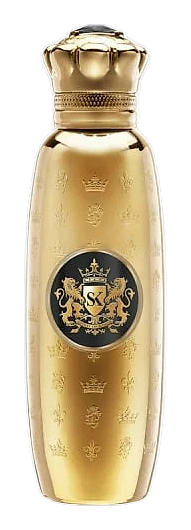
Kursa takes its name from the Arabic term for a star that Muslim astronomers identified centuries ago, Beta Eridani, the chair of the central one. Not mythology. History. The fragrance arrived in 2019 under the Spirit of Kings house, a Spanish niche brand built on the idea that scent can function as a historical document. Christian Provenzano composed it with a specific tension in mind: the crisis of a ruler who cannot sleep, who walks into a royal hall at dawn seeking counsel. The story is already written into the fragrance's narrative arc, from the opening bloom to the deep, lasting base. That origin gives Kursa its structure. It doesn't meander. It arrives at a problem and solves it.
What makes this composition work is the restraint in the heart. Mandarin orange and French labdanum arrive together, a bright citrus note paired with a warm, resinous absolute that could easily compete for attention. They don't. The labdanum holds back, giving the mandarin room to breathe before the whole thing settles into oud. The rose is present throughout, but it's never the loudest voice. Patchouli anchors the opening without overwhelming it. Musk ties everything together, a thread that runs from first spray to final fade. The structure is deliberate, each layer supporting the one before it, not competing with it.
The evolution
The opening announces rose, musk, and patchouli in quick succession, a floral-earthy burst that doesn't linger long before mandarin orange arrives to brighten the composition. Within the first hour, the heart takes over: French labdanum's warm, resinous quality settles alongside the citrus, creating a sweet-and-smooth middle act. The drydown is where this fragrance earns its name. Oud dominates, deep, resinous, dark. The rose fades back, but musk lingers close to the skin, a quiet presence beneath the wood. This is a fragrance that announces itself before it introduces itself. Lasts well into the next day on fabric.
Cultural impact
Kursa arrived in 2019 during a period when rose-oud compositions were gaining traction in the Western niche market, driven by Middle Eastern fragrance houses introducing oud-forward scents to European and American consumers. The fragrance occupies a particular niche: it speaks to a growing demographic of collectors seeking bolder, more assertive rose-oud pairings that push beyond conventional florals. Within the niche community, the 2019 composition carved out a following among those seeking strong sillage and extended longevity without the aggressive character of pure oud fragrances.