The Story
Why it exists.
The beginning
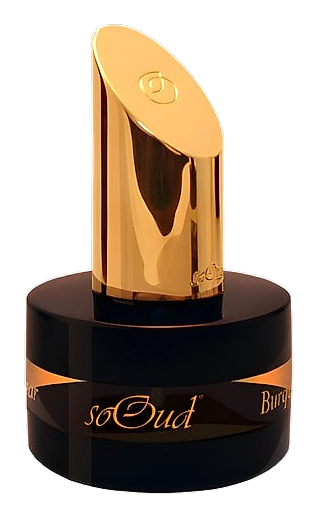
Stéphane Humbert Lucas created Burqua in 2010 as part of SoOud's founding collection, joining scents like Asmar and Nùr in establishing the house's voice. The name arrives with intention, evoking concealment, mystery, the space between what is shown and what is felt. Where other oud fragrances announce themselves loudly, Burqua holds back. It reveals only to those who come closer.
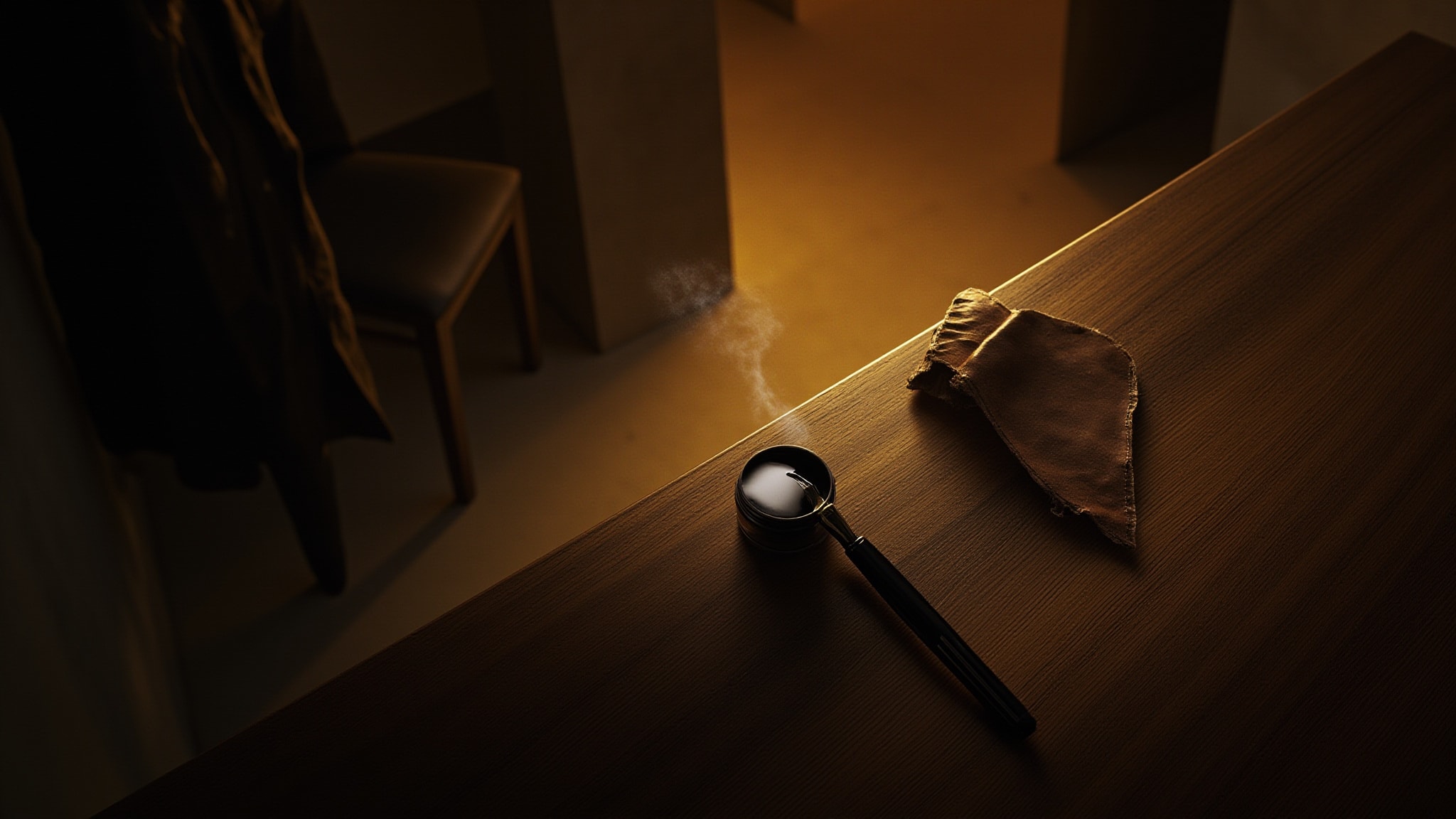
The heart of this composition is ink, a note rarely used as a protagonist. It provides a mineral, slightly astringent quality that sets Burqua apart from the usual oud playbook, smoky, resinous, expected. Instead, the ink opens like a door into darkness, and leather steps through. The contrast between this sharp, industrial opening and the warm, powdery drydown of violet and amber is where Burqua earns its complexity. It's not trying to smell expensive. It's trying to smell true.
The evolution
The first minutes belong to ink and leather, dark, close, almost unsettling. No sweetness to soften the blow. Then, gradually, violet and rose arrive. They don't overtake the leather so much as share space with it, adding a powdery softness that makes the leather feel worn rather than new. The oud emerges around the thirty-minute mark, not as smoke but as resin, dense, warm, grounded. By the second hour, the composition has settled into amber and benzoin, with patchouli providing earth beneath everything. The drydown lasts another three to four hours, skin-warm and close, with a faint trace of myrrh persisting into the next morning.
Cultural impact
Burqua occupies an interesting position in the niche fragrance world, it's dark enough to repel casual wearers, complex enough to reward those who persist. SoOud itself has built a loyal following among collectors who appreciate oud that doesn't perform, and Burqua sits at the quieter end of that spectrum. It's not a crowd-pleaser, and it was never meant to be.