The Story
Why it exists.
The beginning
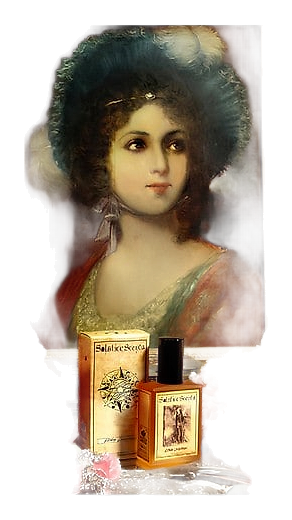
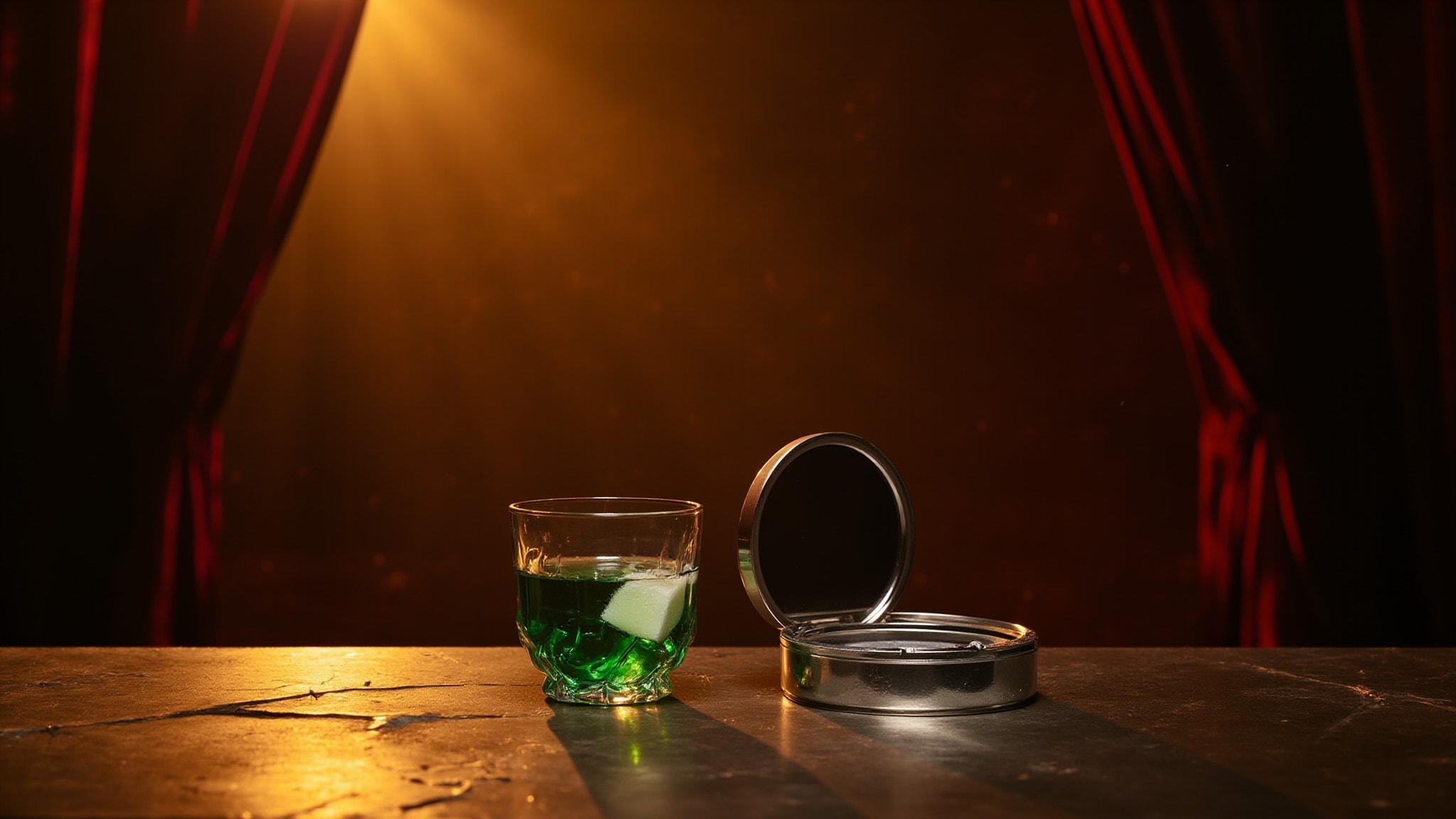
Montmartre takes its name from the Parisian hilltop that was, at the turn of the century, the beating heart of bohemian life. Before Montmartre became the tourist district it is today, it housed absinthe bars, cabarets, and the kind of artists who couldn't afford heat. Claire Baxter reached for that version, capturing the atmosphere of feathered fans, sugared absinthe, silk stockings, faded perfume, new lipstick, warm skin and the smoky haze of hot stage lights. This is not the postcard Paris. This is the Paris that earned its reputation.
The note structure pulls off something unusual: absinthe and powder shouldn't coexist this easily. Absinthe is sharp, anise-forward, the kind of note that demands you pay attention. Powder reads as soft, nostalgic, almost drowsy. What bridges them here is smoke, not the roaring bonfire kind, but the slow, built-up haze of a room where someone's been burning something all evening. The sugar doesn't sweeten the composition so much as it grounds the absinthe, keeps it from spinning too far into territory that's more medicine cabinet than perfume. This is a composition that understands restraint at the exact moment it threatens to lose it.
The evolution
The first five minutes belong to lipstick, that waxy, slightly sweet powder of a fresh bullet pressed to skin. Beneath it, sugared absinthe opens bright and almost green, its sweetness tempering the herbaceous edge. Smoke enters around the ten-minute mark and stays for the duration, never dominant but never absent, the smoky haze of stage lights that have been running for hours. The floral heart arrives around thirty minutes: soft, powdery, the smell of silk tree blossom that's been described as almost invisible, more impression than flower. By the second hour, the composition has settled into warm skin and sugar. The absinthe has retreated but not disappeared. What lingers is close, intimate, almost impossible to distinguish from the wearer's own scent. On fabric, the smoke holds longest. On skin, the powder and skin accord win the long game.
Cultural impact
Montmartre captures the rebellious artistic spirit of early 20th century Parisian Bohemia, where absinthe bars and avant-garde salons defined a generation. The fragrance taps into the romanticized history of the district that birthed Impressionism and Cubism, blending the glamour of vintage lipstick with the green fairy mythology that haunted artistic circles. This scent appeals to those who romanticize the creative chaos of Montmartre's cabarets and studios, where scandal and artistry intertwined. The absinthe note grounds this nostalgia in something slightly dangerous and polarizing, evoking the very spirit that made the neighborhood legendary.