The Story
Why it exists.
The beginning
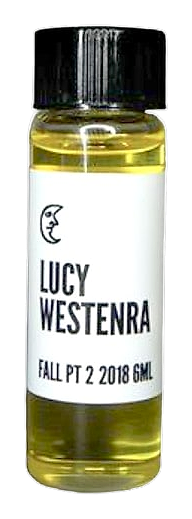
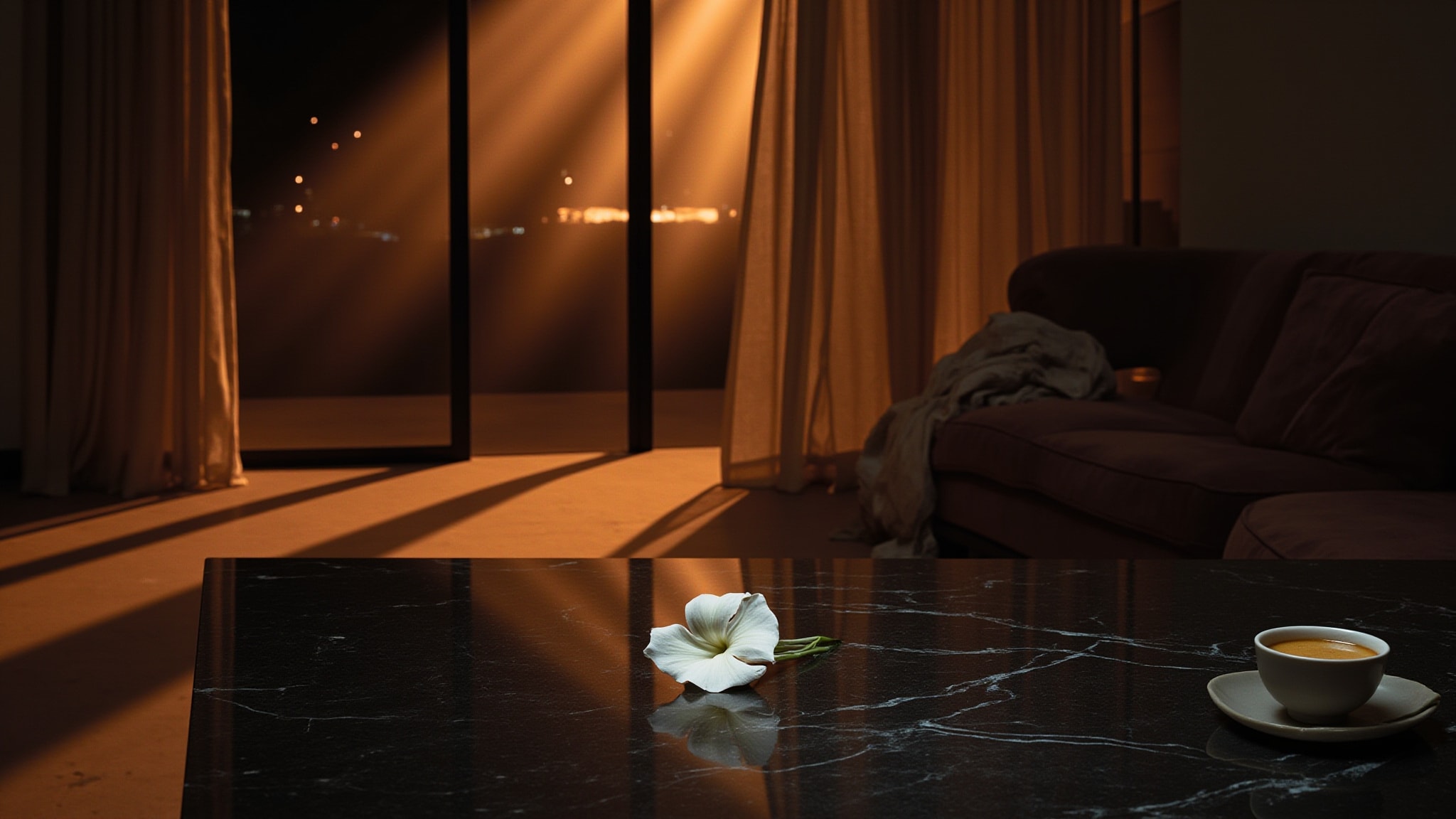
Lucy Westenra comes from Chapter II of Bram Stoker's Dracula. Not the heroine. The other one. The one described as licking her lips "like an animal" under moonlight, all scarlet mouth and white sharp teeth. Baxter translated that passage, the deliberate voluptuousness, the animal mouth catching moonlight, into scent. Into flowers that open when the sun isn't watching. The passage in Chapter II is where Lucy's transformation begins, and Sixteen92 picked up on that exact threshold. The moment before she becomes a danger to anyone but herself. The perfume reads as that liminal space: still recognizably floral, still recognizably sweet, but with something underneath that doesn't ask permission. The florals here don't behave like florals.
The choice of night-blooming cereus and angel's trumpet does the heavy lifting on that animal quality. Both flowers actually bloom after dark, and both carry an undercurrent of toxicity. Pair them with honey and the sweetness reads cloying on purpose, almost drugging. The fennel running through the composition is the unusual move. It cuts through the floral density with something cool and almost medicinal, like anise in a glass of cold water. It pulls the composition away from easy gothic femininity and toward something stranger.
The evolution
The first thirty minutes belong to the flowers. Night-blooming cereus opens cool and slightly waxy, the kind of white floral that feels more like touching a petal than smelling one. Angel's trumpet warms underneath, pushing the honey forward until the whole opening reads thick and golden, almost edible. The fennel threads through it all, keeping things from going fully sweet. Around the two-hour mark the oud arrives properly. It's not the smoky, barnyard kind. This oud leans leathery and dark, wearing the honey like resin on old wood. Guaiac wood settles in beside it, adding a dry, almost smoky warmth that wasn't there before. The florals don't vanish. They move deeper into the composition, ghostly and a little sweet, mixing with the mineral note to create something that reads less like a perfume and more like the memory of a perfume. By hour four the green is gone.
Cultural impact
Lucy Westenra is part of Sixteen92's Dracula collection, a Fall release that drew directly from Bram Stoker's novel and offered the fragrance under the name CHAPTER II. The collection brought together multiple scents built around the same source text, with Lucy as one entry among several. The fragrance stands out within the catalog for its refusal to behave like a conventional floral. Most white florals in the indie space lean either into photorealism or into sheer clean laundry territory. Lucy Westenra does neither.