The Story
Why it exists.
The beginning
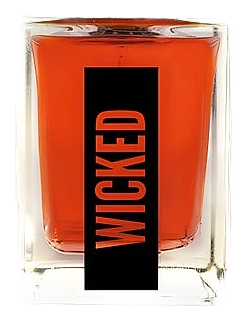
Wicked draws its name and its mood from the Emily Brontë poem Sixteen92 pairs with the fragrance: "I shall smile when wreaths of snow / Blossom where the rose should grow." Winter breaking into unexpected bloom. Sweetness arriving where it has no business being. That inversion is the whole point. The composition translates it directly, patchouli, vanilla, and almond cream doing something that shouldn't work, together.
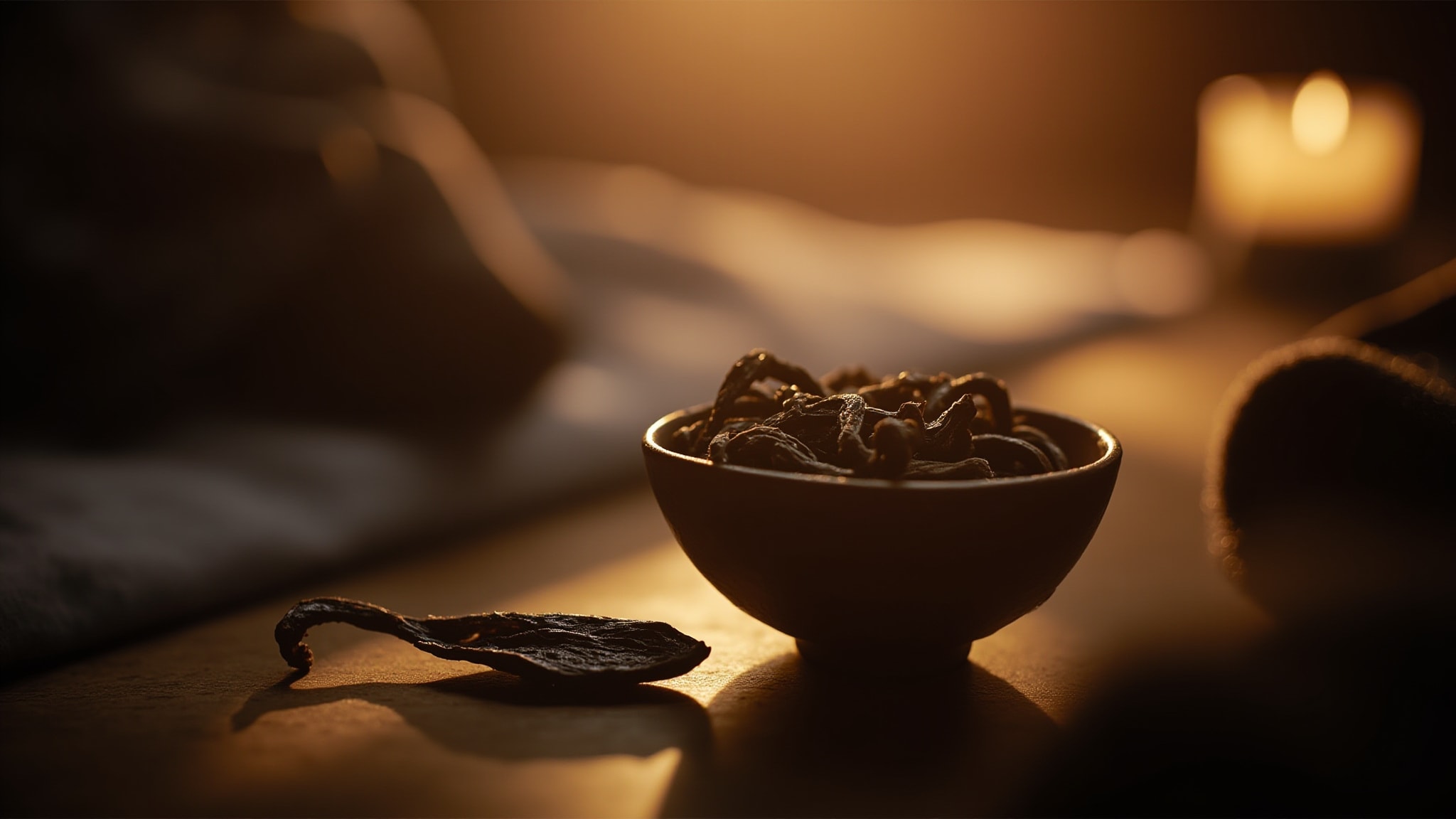
The note structure is its own small argument. Three vanillas, different ages, different treatments, layered beneath dark aged patchouli and almond cream. Buttercream in perfumery tends toward the flat and sugary. Here, the patchouli gives it gravity. The almond gives it bite. What could read as confection instead reads as layered, slightly strange, worth coming back to. The paradox isn't accidental, it's the entire architecture.
The evolution
The first minutes belong to bitter almond. Sharp and immediate, almost medicinal in its intensity. Some find it bracing. Others find it demanding. Either way, it's impossible to ignore. Within the hour, vanilla and buttercream soften the edges, the marzipan quality that divided early wearers settles into something warmer, rounder. Patchouli doesn't announce itself. It accumulates. As the scent develops, it takes over, earthy, dark, with a depth that goes beyond mere earthiness. What lingers is smoky vanilla, patchouli's shadow, and something almost resinous. On fabric, it outlasts itself. Some report a faint trace the next morning.
Cultural impact
For a niche audience drawn to unconventional gourmand structures, the combination of bitter almond opening and smoky patchouli drydown is a distinctive choice. The scent appeals to those seeking something that doesn't follow conventional expectations. It offers a bold alternative to mainstream fragrance conventions, satisfying preferences that lean toward the unconventional.