Almond Cream
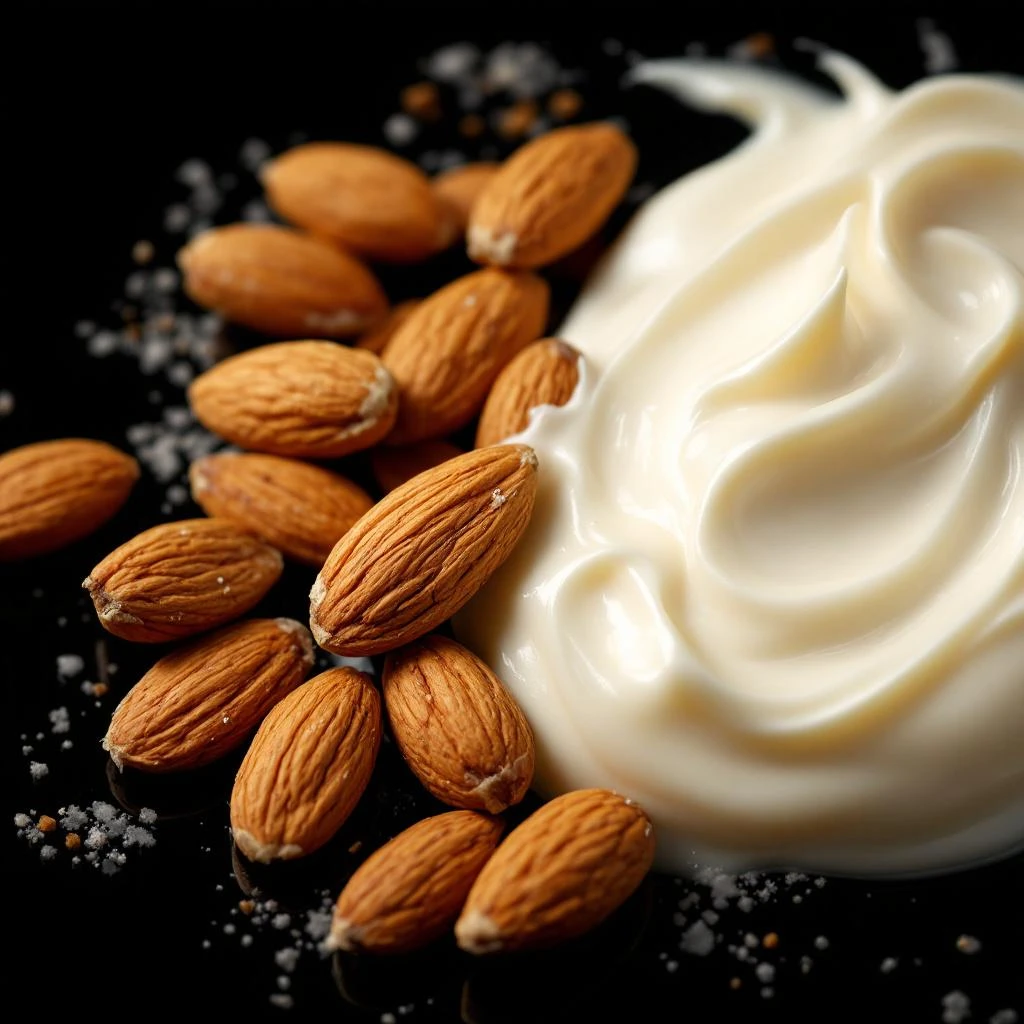
A dual-natured fragrance note: sweet, edible warmth meets a faint bitter edge. Almond cream captures the scent of crushed kernels, bridging gourmand and floral families with a soft, comforting signature.
Character
How it smells
Sweet, buttery warmth with a whisper of bitter depth.
The characteristic almond scent comes from benzaldehyde, the same compound responsible for the scent of cherry pits and cassia bark.







Origin
Global (Mediterranean origin)
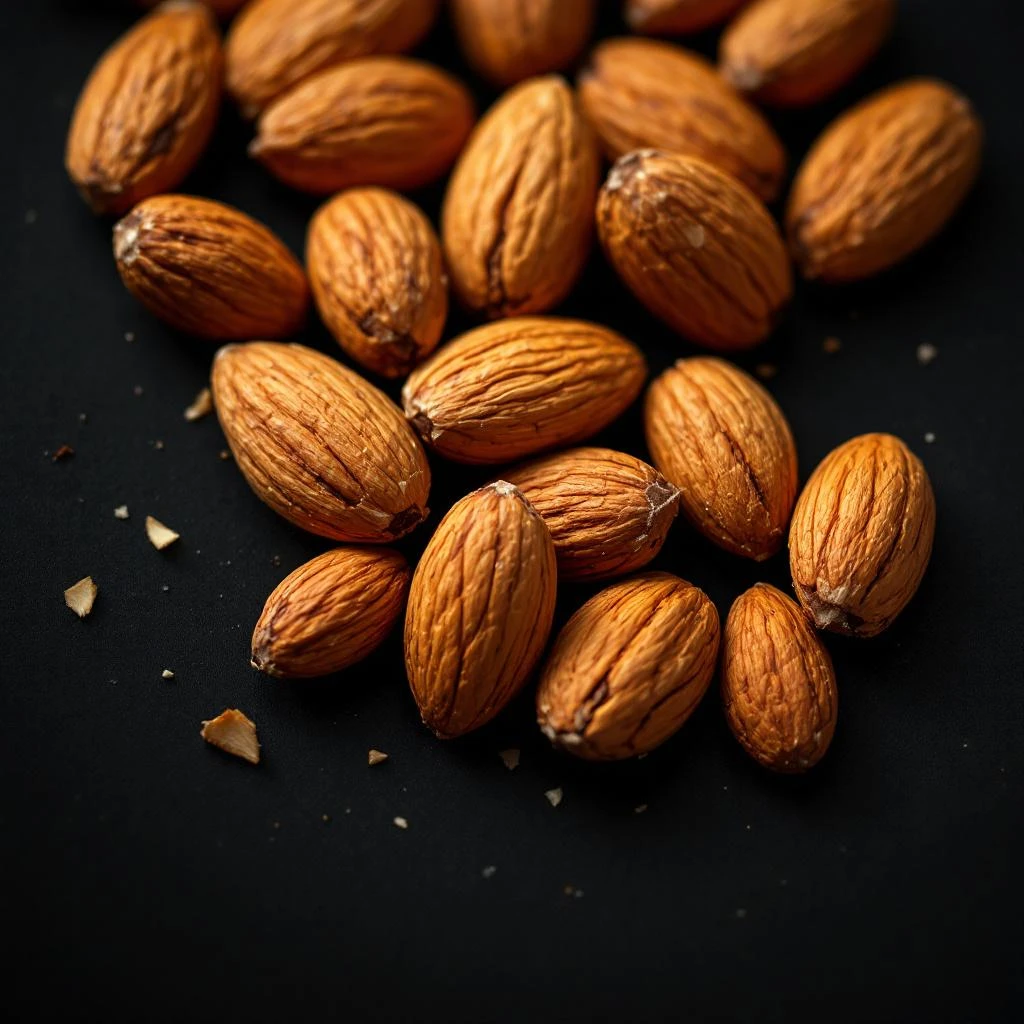
Almonds served as a fragrance material in ancient Mesopotamia and Egypt, where sweet almond oil was pressed and blended into balms and unguents. Greek physicians including Dioscorides documented its aromatic properties in the first century. Roman perfumers incorporated almond oil into their luxury preparations, particularly for skin-care applications.
The pivotal moment arrived in 1803 when scientists first isolated benzaldehyde, the primary aromatic constituent of bitter almond oil. By 1869, commercial synthesis of benzaldehyde enabled perfumers to recreate the characteristic marzipan note without relying on limited natural supplies. This innovation democratized almond as a perfume material.
Contemporary perfumers draw on both natural and synthetic benzaldehyde to create the almond cream accord, combining the warm, edible quality of the natural note with the consistency and safety of modern chemistry.
Wears it best
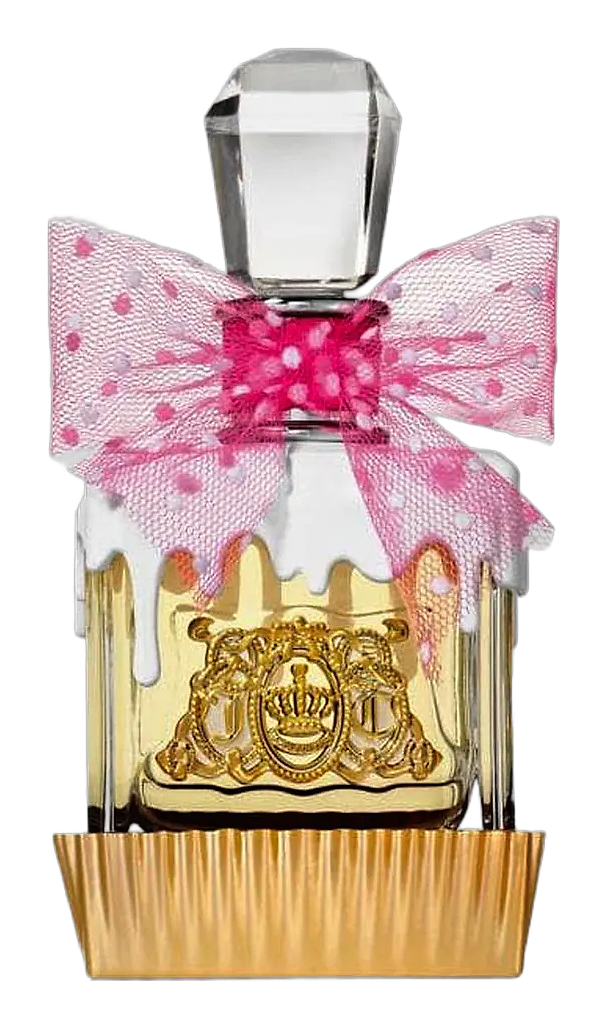
Fragrances featuring Almond Cream
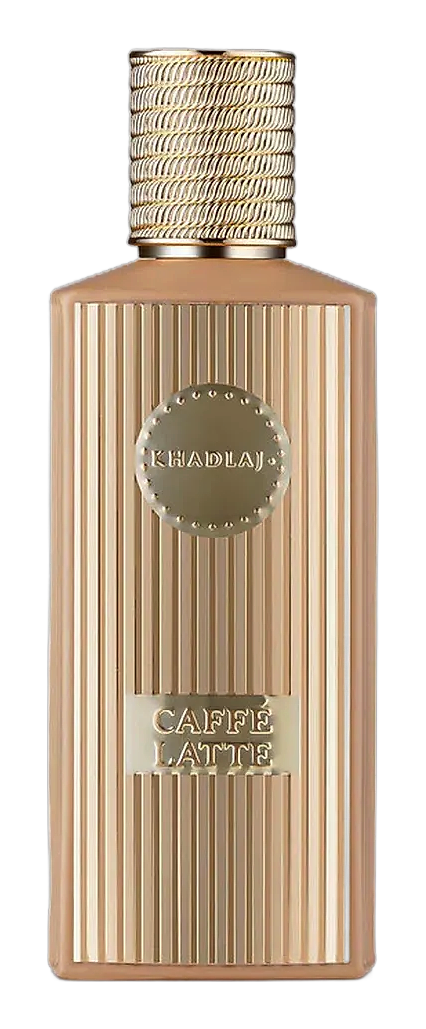
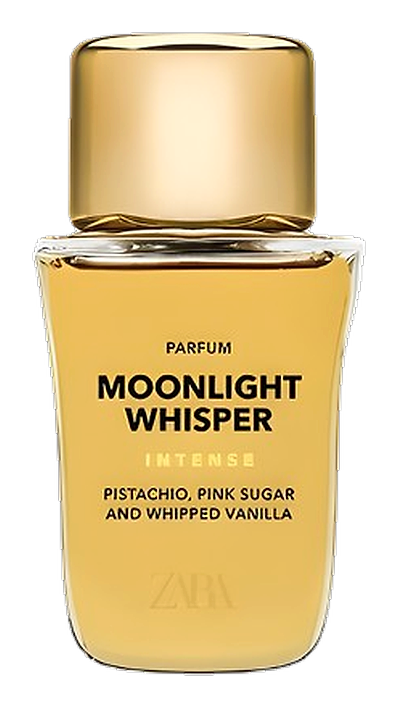
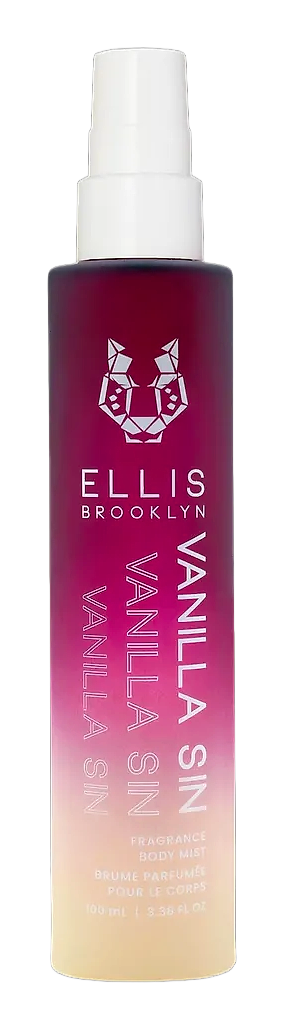
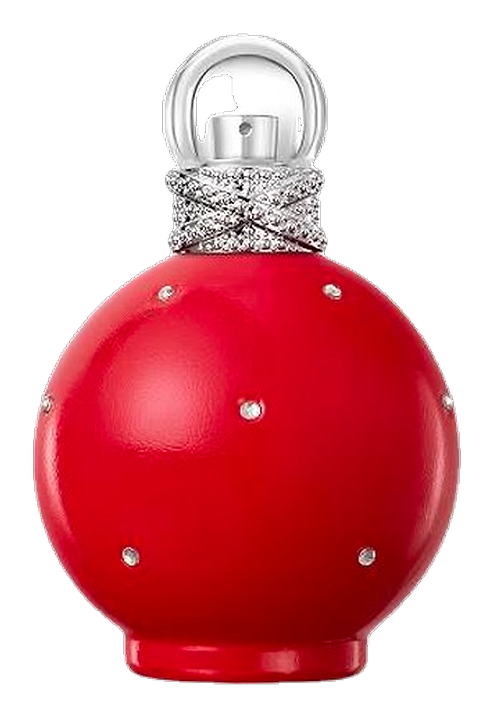
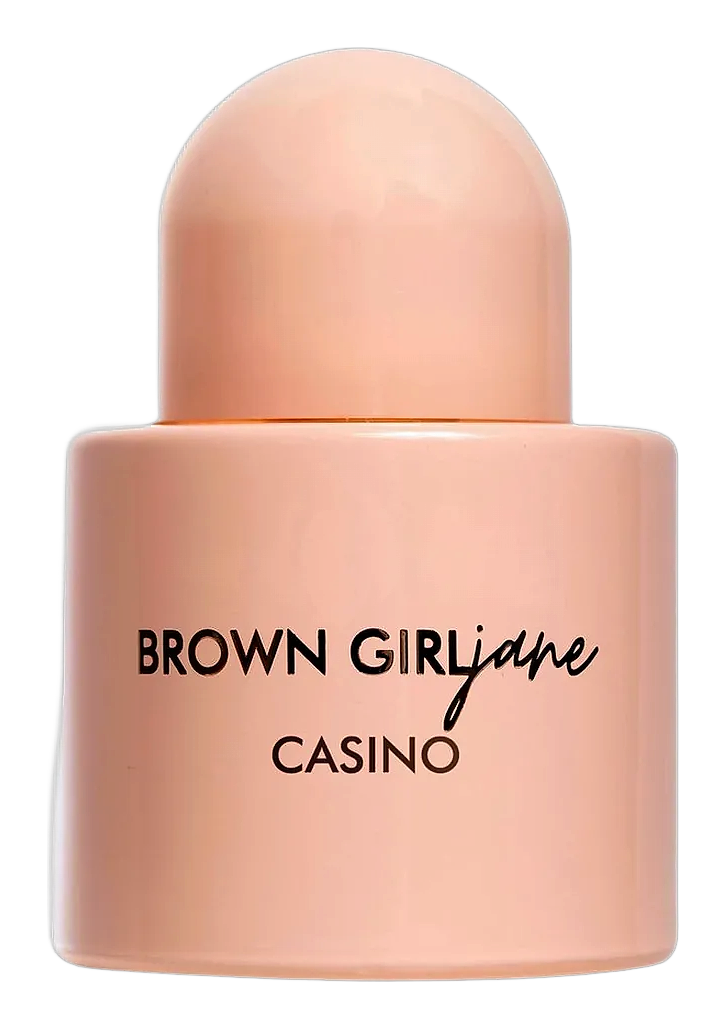
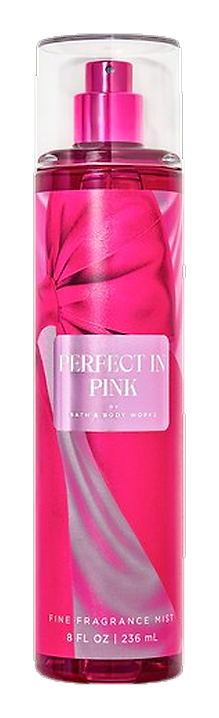
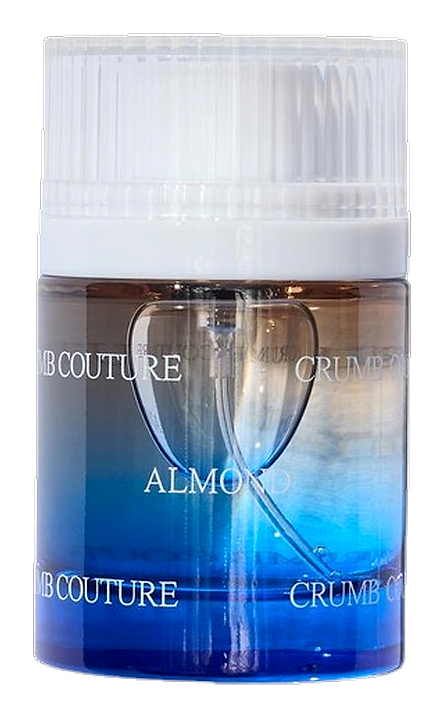
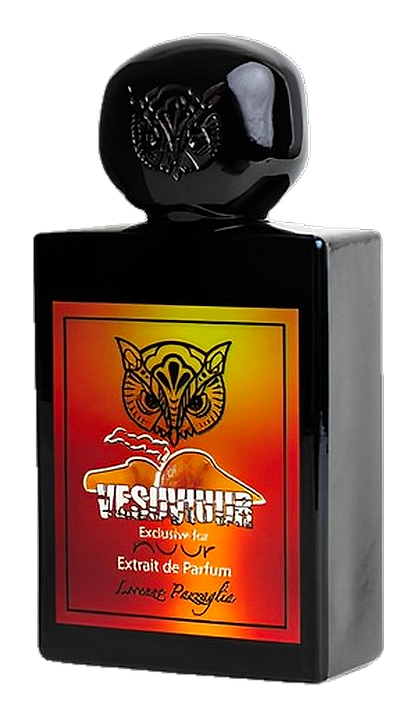
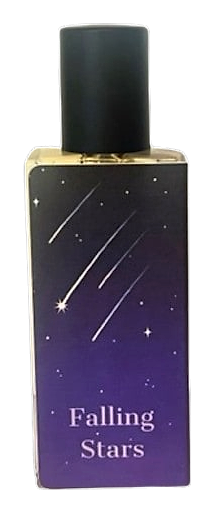
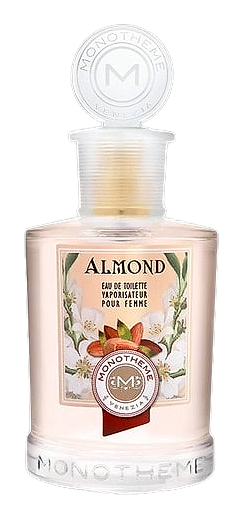
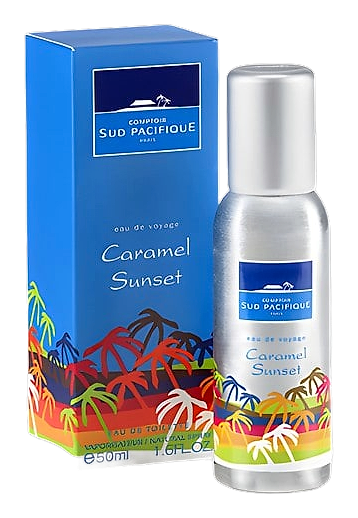
Brands
Brands known for Almond Cream
Good to know
Questions, answered
The essentials on Almond Cream in perfumery: how it smells, where it comes from, and how it behaves on skin.
What does almond smell like in perfume?
Almond delivers a warm, edible sweetness with creamy nuttiness and a subtle bitter edge reminiscent of marzipan. It sits between gourmand and floral, adding comforting depth without heaviness.
Is almond a natural or synthetic note in perfumery?
Both. Natural almond oil comes from bitter almond kernels, while synthetic benzaldehyde replicates the characteristic scent. Most commercial almond materials today use the synthetic form for safety and consistency.
Where does almond originate in perfumery history?
Almond appears in ancient Mesopotamian and Egyptian formulations, where sweet almond oil served as both fragrance and skin-care material. Greek and Roman perfumers later adopted it into luxury preparations.
What distinguishes sweet almond from bitter almond in perfumery?
Sweet almond (Prunus dulcis) is edible and yields a gentle oil. Bitter almond (Prunus dulcis var. amara) contains amygdalin, which releases benzaldehyde upon crushing. Bitter almond supplies the aromatic intensity used in perfumery.
What chemicals create the almond scent in fragrance?
Benzaldehyde provides the primary marzipan character. Perfumers layer heliotropin, coumarin, and vanillin to build fuller almond compositions. Tonka bean and Prunol (gamma-undecalactone) add creamy depth.
How is almond oil extracted for fragrance use?
Producers cold press or solvent-extract bitter almond kernels to release aromatic oils. The crude material contains hydrogen cyanide and requires refinement. Blending with sweet almond oil softens and stabilizes the final material.
What family of perfumes features almond notes?
Almond cream appears across oriental, Gourmand, and floral fragrances. It pairs well with vanilla, iris, cherry, and heliotrope, and often surfaces in the dry-down of warm, woody compositions.
Why does bitter almond oil smell different from sweet almond oil?
Bitter almond contains benzaldehyde at higher concentrations, delivering sharp marzipan character. Sweet almond oil has a milder, buttery profile. Perfumery uses bitter almond for aromatic intensity and sweet almond for skin-feel and stability.