The Story
Why it exists.
The beginning
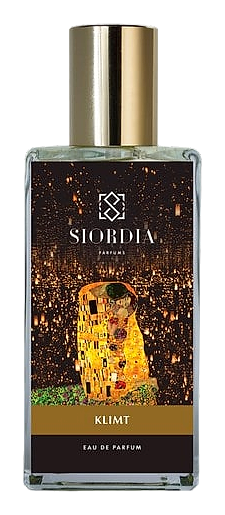
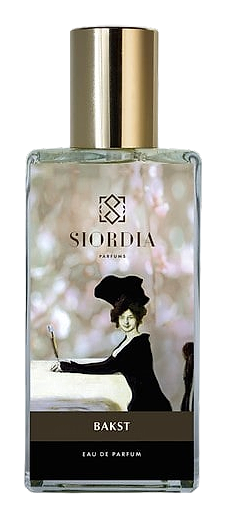
The name lands exactly where it should: Léon Bakst, the Russian painter and costume designer who reimagined what ballet could look like in the early 1900s. His designs for Ballets Russes were provocative in their time, draped in earth tones and deep florals, bodies wrapped in moss greens and amber, fabrics that suggested rather than covered. Ekaterina Siordia named this fragrance after him deliberately, and the composition makes the reference concrete. Bakst is not a costume sketch rendered in scent. It is the energy of someone who dressed for the performance, not the audience, who understood that what you wear close to the skin matters more than what announces you from across the room.
The heart of Bakst is a contradiction: powdery florals blooming inside a mossy, earthen structure. Jasmine and tuberose don't soften the oakmoss, they argue with it. The dark chocolate threaded through the composition keeps the florals from becoming precious, adds a depth that stops the scent from reading as purely romantic. Blood orange in the opening provides the only brightness, a brief citrus acidity that cuts before the earth settles. Tonka bean in the base does what tonka does, a soft, warm powder that extends the florals' aftermath and lets the drydown linger without announcing itself.
The evolution
The opening is the boldest moment. Blood orange hits first with real acidity, tart, almost startling, before the oakmoss and patchouli arrive to earth it. The citrus doesn't linger. Within minutes, it's gone, replaced by a white floral heart that arrives with some insistence: jasmine and tuberose at the front, backed by lily and white rose. The dark chocolate is present throughout but never dominant, more of a grounding current than a noticeable note. As the florals begin to quiet, the drydown settles into oakmoss and powder. The tonka bean and amber round it out. What remains is warm, close, and mossy. Not a room-filler, it stays near the skin, intimate and deliberate.
Cultural impact
Siordia Parfums occupies a distinctive position in contemporary niche perfumery by rejecting the industry norms of sweet florals and synthetic ouds that dominate modern releases. Bakst arrives as a deliberate counterstatement: a moss-forward chypre that revives the structured, almost architectural compositions of mid-century perfumery. In a landscape where new releases increasingly favor projection and immediate impact, this 2018 fragrance asks the wearer to lean in, to engage with scent as a slow, contemplative experience rather than an ambient announcement. The cultural resonance extends beyond fragrance into a broader conversation about authenticity and artistic intent in commercial art.