
The Story
Why it exists.
The beginning
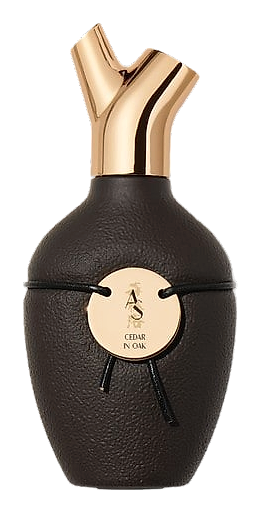
The name says everything. Cedar in Oak isn't a metaphor, it's a material statement. Yves Cassar built this fragrance around the cedarwood itself, then asked what barrel would give it back something it hadn't earned yet. The answer was oak. Not cedar in cedar. Cedar in oak. The cane alcohol base carries the scent with a clarity that lets the wood speak directly, no unnecessary embellishment. Spraying reveals cedar in its most elemental form, the resinous heart of the tree meeting the quiet authority of oak, two woods in dialogue rather than competition. There is nothing hidden here, no smoke screen of sweetness or cream. Just cedar, honest and present, finding its counterpoint in the grain it was built to meet.
What makes this composition unusual is the cedar duality. Atlas cedar and Virginia cedar are both present, and they're not the same material. Atlas cedar brings the aromatic quality of the tree itself: needles, resin, a certain height. Virginia cedar reads differently, a dry wood character with pencil shavings and a slightly leathery undertone that the official description calls out specifically. The two cedars exist in the same fragrance but offer distinct experiences depending on where the nose focuses.
The evolution
The opening is all cedar. Not a blend, a declaration. Black pepper arrives bright and clean, like the moment you sharpen a fresh pencil. The iris surfaces early too, powdery and cool, tempering the wood's intensity before it can become harsh. As the composition develops, patchouli darkens the palette. Myrrh adds its bitter, resinous warmth. The cedars are still there, they've been there since the start and they'll be there at the end, but they're no longer alone on stage. The heart phase is where most fragrances find their identity. Cedar in Oak's identity was established at the top. What happens now is deepening. The cedar settles into its oak base. This is what the barrel gave back: a warmth that isn't sweet, a woodiness that isn't dry, a finish that doesn't announce itself but refuses to leave. A quiet cedar-to-skin warmth remains, intimate and present on the skin.
Cultural impact
Cedar in Oak fills a particular space in the woody fragrance landscape. It offers cedar without apology, unadorned by sandalwood softness or vanilla sweetness. The house's approach to barrel aging creates a different kind of complexity than most fragrances on the market, where alcohol typically serves as a neutral carrier rather than an active participant. This positioning speaks to a wearer who values clarity and directness over embellishment, someone drawn to materials that assert themselves rather than soften.