
The Story
Why it exists.
The beginning
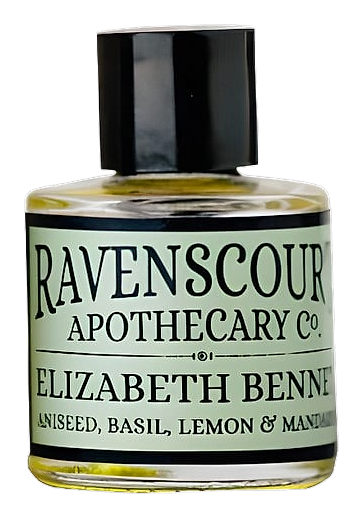
Elizabeth Bennet is named for literature's most stubbornly charming heroine, and the perfume wears its source lightly. Tanya Kuznetsova composed it in 2013, and the scent distills a quick-witted literary character into something you can wear without a costume or a rehearsal. The fragrance opens with a bright burst that catches you off guard, the kind of cheerful entry that recalls a sharp laugh cutting through a quiet room. Anise lifts the citrus rather than burying it, adding a sweet herbal hum that keeps the lemon from reading as cold or austere. There's something generous underneath, a warmth that suggests conversation rather than performance. The drydown settles into a softer register, with the green tea note pulling everything toward a clean, contemplative finish.
What makes this composition quietly clever is the pairing of anise with basil. Anise carries that sweet, almost licorice warmth that softens an opening. Basil brings green, slightly bitter, faintly peppery. Together they create a push-pull, sweet against herbal, that mirrors a certain kind of conversation: warm words delivered with an edge. The citrus on top, mandarin and lemon, lifts everything into daylight. None of these materials are rare. All four are familiar kitchen-shelf botanicals. The achievement is in the calibration, in letting each note speak without anyone drowning the other out.
The evolution
The first ten minutes belong to lemon and mandarin, bright and unhesitating, the kind of citrus that arrives already smiling. Anise arrives right behind it, sweetening the edges without softening the brightness, giving the opening a candy-warm undertone that smells like fennel seed left in a sunbeam. Around the thirty-minute mark, basil takes its turn. It rises green and slightly grassy, almost herbal-tea dry, cutting through the citrus sweetness with something cooler and more cerebral. The anise keeps humming underneath, a persistent sweetness that ties the whole composition together. After two hours, the citrus is gone. What's left is anise and basil in conversation, slightly powdery, faintly sweet, still carrying warmth. On fabric the next morning, you'll catch anise first, a ghost of licorice, with basil still green at the edges. It doesn't shout. It simply stays in the room.
Cultural impact
Elizabeth Bennet reads as a quiet composition, the sort of fragrance that prefers suggestion over declaration. The opening citrus-and-anise pairing gives it personality without shouting, and the green tea in the middle keeps the whole thing anchored in something contemplative rather than theatrical. On skin, it behaves like a well-written letter: present without demanding your full attention, pleasant to revisit, and easy to wear across the hours without losing its shape. The drydown is where it earns its staying power, settling into a clean musky warmth that lingers close to the skin rather than projecting across a room.