The Story
Why it exists.
The beginning
Tagreed keeps the rose at the center of the composition and holds it there. The fragrance doesn't retreat into background subtlety; it builds presence and holds it. Where many modern perfumes might soften a dominant note with supporting elements, Tagreed works in the opposite direction
What makes Tagreed structurally interesting is how the clove functions as a bridge rather than a destination. In many oriental fragrances, spice leads with heat, a sharp arrival that announces itself. Here, clove arrives mid-development, threading between the rose and jasmine to prevent the sweetness from becoming cloying. It doesn't shout. It steadies. The amber and sandalwood base does the real work of longevity. Both materials have molecular weight on their side, they bond with skin differently than lighter citrus or aldehyde compounds. When reviewers report six to eight hours of presence, the chemistry is straightforward: these materials are built to linger.
The evolution
The opening hits bright and immediately recognizable: geranium's green-floral bite cutting through the sweetness before the rose fully arrives. This phase lasts maybe twenty minutes, enough to establish the florals, not long enough to tire of them. Then the clove begins to show, not as spice exactly, but as a warmth that shifts the composition from 'fresh rose' to 'warm rose.' Jasmine arrives around the thirty-minute mark, softer than the clove, more persistent than the geranium. It doesn't replace the rose, it layers beneath it, adding body. By hour two, the florals have settled into a single impression: sweet, warm, present. The amber and sandalwood have been building underneath, and now they take over. The drydown isn't a different fragrance, it's the same story, quieter. A whisper rather than a statement. On fabric, this phase extends past eight hours easily. On skin, expect six to seven, with the sweetness fading last, the very definition of a signature that outlasts the day.
Cultural impact
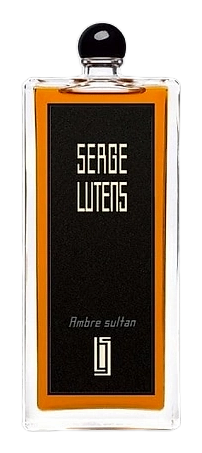
Tagreed sits comfortably within the oriental-floral tradition that has defined Middle Eastern perfumery for generations, rose-forward, sweetness-forward, built for presence rather than subtlety. The fragrance resonates with wearers who appreciate that tradition's values: concentration as a form of respect, longevity as a form of commitment, and sweetness as a form of warmth rather than cloying excess. While comparable to Serge Lutens' La Fille de Berlin in its use of rose as a dominant character, Tagreed takes a different path, less austere, more openly warm, and notably more affordable. For those exploring beyond the Western floral tradition, it offers a doorway.