The Story
Why it exists.
The beginning
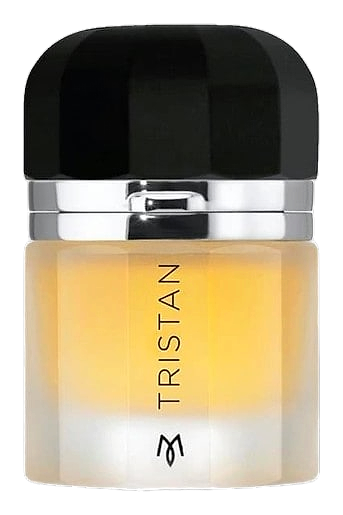
Tristan comes from the house of Ramón Monegal, a perfumer whose own name carries the brand, which says something about the kind of operation this is. The work lives in the warmer, woodier register of contemporary Spanish perfumery, built around spice, resin, and the kind of green aromatic sharpness that cuts through rather than flatters. Ramón Monegal as a house pulls from a family lineage of perfumery, and Tristan feels like it knows exactly what it wants to be. This is not a composition reaching for novelty or trend. It is denser, more deliberate, more grounded than that. The name borrows its gravity from the Tristan legend, the ill-fated knight whose love story ends in death and whose myth Wagner turned into operatic obsession.
Tristan was composed by Ramón Monegal himself, during a period when the house was carving out a distinct identity away from the louder mainstream releases flooding the market. The brief, if there was one, seems to have asked for intimacy over statement. Monegal answered with a tight, focused structure of black pepper, cedarwood, cypress, frankincense, Haitian vetiver, myrrh, and olibanum. No excess, no ornamental top notes designed to win a first sniff test. The composition commits to its core materials and lets them do the talking.
The evolution
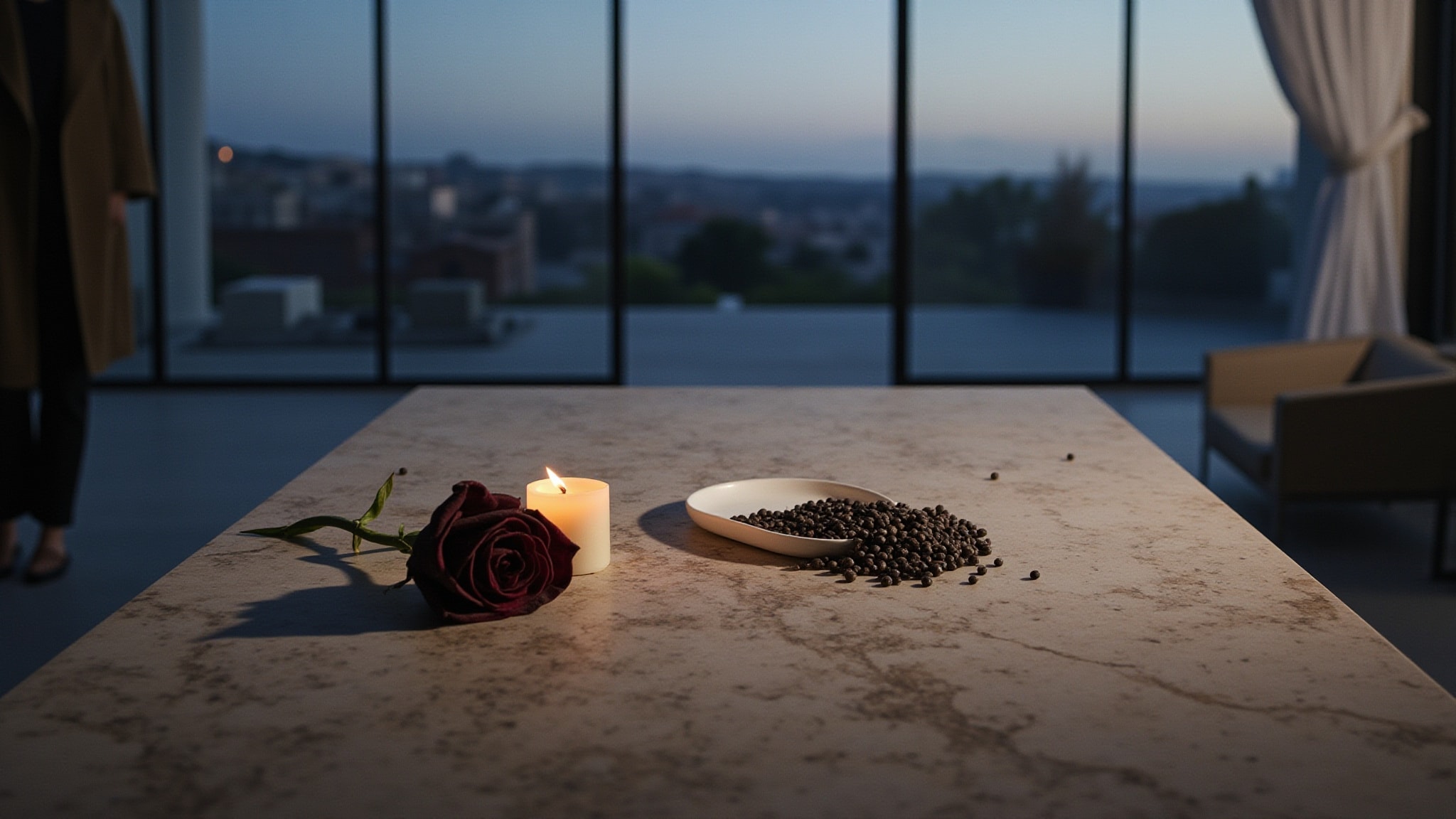
On skin, Tristan opens with a sharp, peppery snap that announces itself immediately. The black pepper carries the first minutes with a dry, almost smoky heat that has nothing sweet about it. As that initial sting softens, the cedarwood and cypress emerge, lending the composition a cool, woody architecture that feels more like walking through a forest at dusk than sitting in a perfumer's lab. The resins begin to surface in the middle hours, frankincense and myrrh weaving together into something almost liturgical, a churchy warmth that never tips into incense-shop cliché. Haitian vetiver grounds the later stages, its smoky earthiness pulling everything downward toward the skin. As the hours pass, the green sharpness recedes and the composition settles into a dense, resinous close that clings rather than radiates. It rewards patience.
Cultural impact
Tristan sits in an unusual position within the Ramón Monegal portfolio, closer to the moody, resinous end of contemporary Spanish perfumery than to the brighter, more commercial releases that tend to dominate mainstream fragrance counters. Among wearers, it gets treated as a hidden reference rather than a mainstream release, the kind of composition that collectors stumble on through word of mouth and keep returning to. The credit belongs to Monegal himself, which places it in conversation with his other work, compositions that favor density, restraint, and raw material clarity over projection and crowd-pleasing sweetness.