The Story
Why it exists.
The beginning
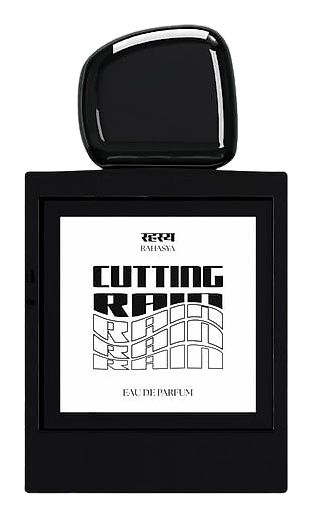
Chapter One earns its title. Rahasya's debut fragrance, the opening page of something larger, is built around cardamom, aldehydes, and tobacco to create that first impression of warm, inviting complexity. The cardamom opens bright and slightly bitter, cutting through the aldehydes' sparkle with a green, almost numbing quality. The aldehydes themselves are present but directed, softened by the tobacco's warmth rather than left to drift into abstraction. Leather and orris carry the middle chapters, adding depth and a powdery, resinous quality that rounds the fragrance into something cohesive. Mysore sandalwood and cedar anchor the final pages, wrapping the composition in rich, woody warmth that lingers softly on the skin.
What makes Chapter One distinctive is how Gujar handles the aldehydic-leather structure. Traditionally, aldehydes signal abstraction, think Chanel No.5, all sparkle and no reference. Here, they anchor to tobacco instead, giving the aldehydes a warm, almost animalic direction rather than a cold, metallic one. The cardamom is aggressive at opening: green, slightly bitter, numbing at the back of the throat. It recedes fast. The leather-and-orris heart is where the composition deepens, layering richness and earthiness that gives the piece its real substance.
The evolution
The aldehydes hit first, bright and sharp, before the heart emerges. Cardamom appears briefly alongside them, then fades. Around the thirty-minute mark, leather takes over and remains dominant for the next several hours: rich, warm, buttery. The delicate floral and powdery notes thread through it quietly, softening what could have been too assertive. By the fifth hour, the Mysore sandalwood and cedar begin wrapping around the leather, slowing it down, warming it out. The sillage drops to intimate, present only to someone standing close. On skin the next morning: a faint trace of warm wood, almost skin-like. On fabric: longer. The full arc from opening to quiet drydown runs approximately six to eight hours depending on the wearer.
Cultural impact
Chapter One represents Rahasya's opening statement, a house building its identity around modern South Asian moments rather than traditional attar or incense tropes. The aldehydic-leather structure places it in conversation with classical Western perfumery while the cultural memory keeps it rooted in a specific experience. Gujar's approach to aldehydes, anchoring them to tobacco instead of florals, shows intention. Whether this debut finds its audience in the crowded leather fragrance space remains to be seen, but the positioning is clear: this is not fragrance as souvenir. It is fragrance as memory, made wearable.