The Story
Why it exists.
The beginning
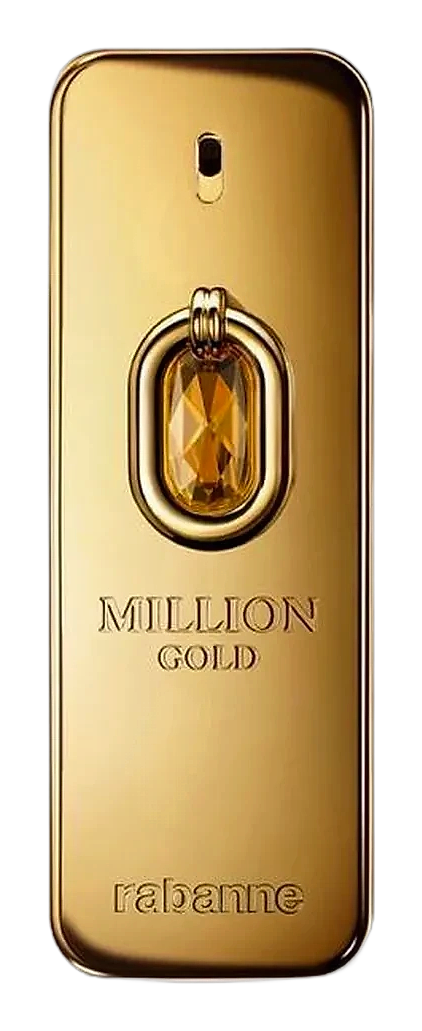
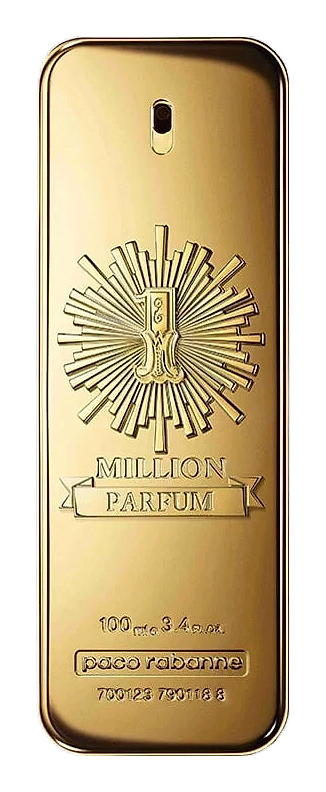
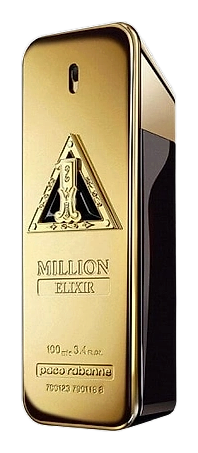
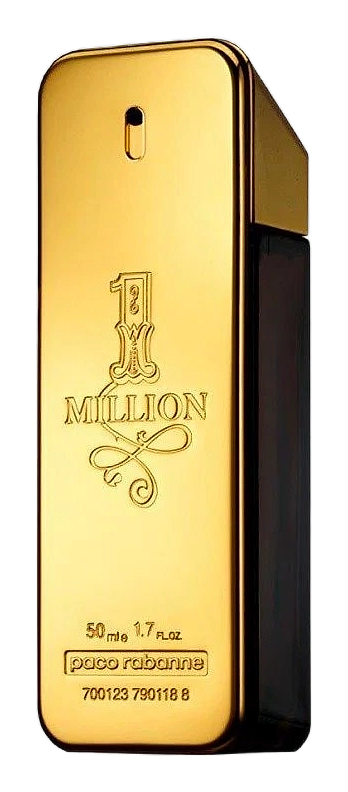
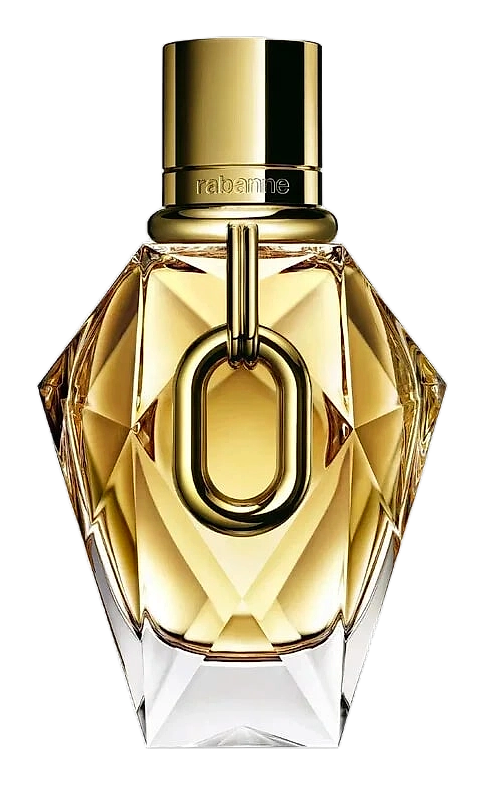
Million Gold arrives with a clear intention: woods that don't apologize for taking up space. The composition opens with mandarin, bright and unapologetic, before ceding the stage to cedarwood that reads as architectural. There is nothing tentative about how it stands. The sandalwood that follows refuses to be polite, arriving with a creamy density that anchors everything beneath it. This is a fragrance built on contrast, citrus sharpness against wood that means business. The warmth is there, unmistakable, but it arrives on its own terms.
What makes Million Gold's structure work is the hand-off. That initial mandarin brightness doesn't fade, it transforms, becoming the foil against which the sandalwood and cedarwood define themselves. Akigalawood, Givaudan's proprietary woody-ambroxan hybrid, bridges the gap between fresh and resinous. Cypriol adds an earthiness that prevents the woods from reading as purely abstract. It's a composition that could only come from someone who understands that woods aren't a single note, they're a spectrum, and Million Gold plays the entire range.
The evolution
The opening hits immediately: mandarin oil, pink pepper CO2, a flash of cardamom. Bright and clean, with a slight aggressive edge that cuts through before settling. Within twenty minutes, the citrus recedes and cedarwood takes the stage, warm and slightly dry. The sandalwood doesn't arrive all at once. It builds slowly, like a room filling with afternoon light. By the mid-drydown, you're in full presence of the base: creamy sandalwood, amber, a whisper of vetiver that keeps everything grounded. The combination lingers, warm and woody, staying close to the skin while maintaining its presence throughout the wear.
Cultural impact
Million Gold approaches the woody fragrance space differently. Where some flankers try to be everything at once, this one narrows its focus. The sweetness is tempered, the woods take command, and what emerges is something that feels considered rather than scattered. It offers a different register within the line, a woody presence that doesn't demand attention but holds its ground when it gets it. For those who want something with depth and persistence, this is where the line shifts tone.
The House
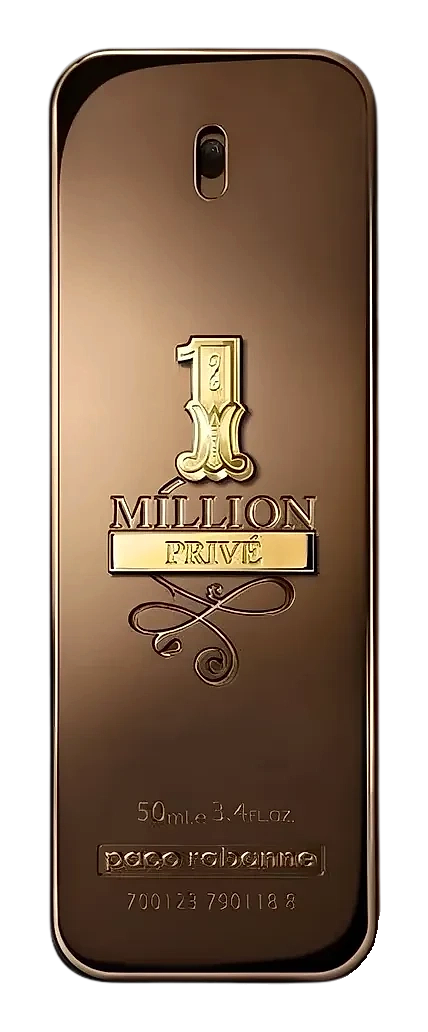
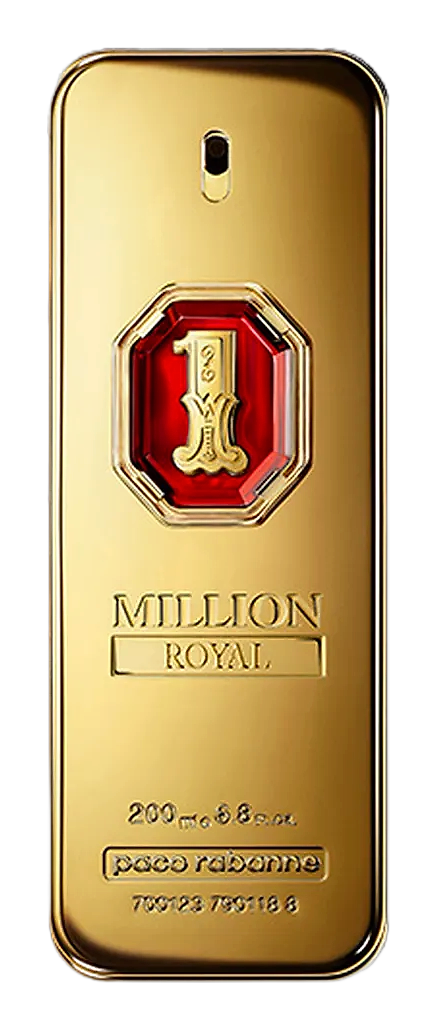
RabanneRabanne is a Paris-based fashion and fragrance house founded by Spanish-born designer Francisco Rabaneda Cuervo, known professionally as Paco Rabanne. The house established itself in perfumery through a partnership with Spanish fragrance company Puig, beginning with the 1969 launch of Calandre. The brand's olfactory identity draws from its fashion heritage: architectural construction, metallic materials, and provocative design language that challenged 1960s fashion conventions. Rabanne built a portfolio of over 85 fragrances spanning multiple decades, from aldehydic florals and aromatic fougeres to orientals and fresh aquatic compositions. The house's gold ingot-shaped bottle for 1 Million (2008) became one of the most recognizable fragrance silhouettes in global retail. Nadia Dhouib was appointed General Manager in April 2022 after serving at Galeries Lafayette, tasked with unifying the brand's fashion and fragrance voices and expanding audience reach. In mid-2023, the house rebranded from Paco Rabanne to simply Rabanne, completing that consolidation.
The Creator
Christophe RaynaudWhile it's difficult to pinpoint a single defining characteristic across all of Raynaud's creations, there's often a sense of balance and sophistication. He's not necessarily known for overly avant-garde or challenging compositions; instead, he seems to favor well-structured f…