
The Story
Why it exists.
The beginning
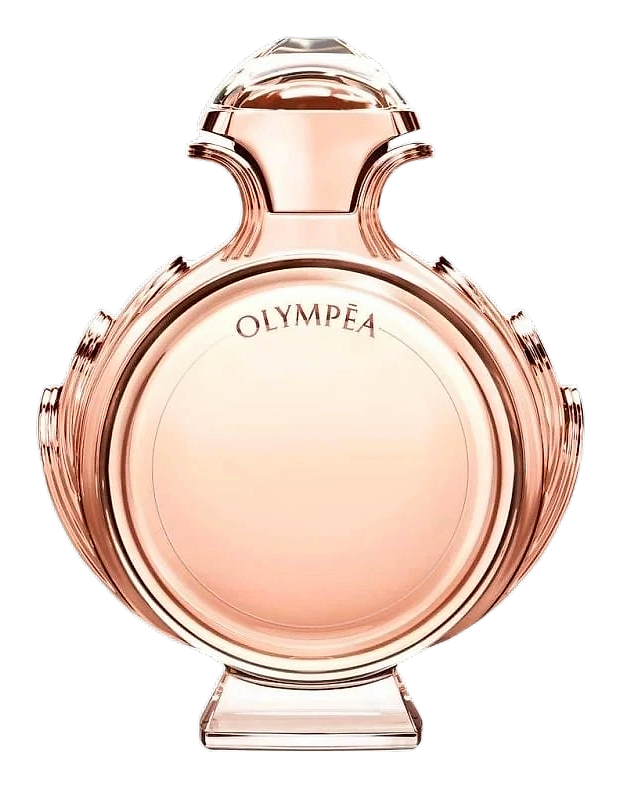
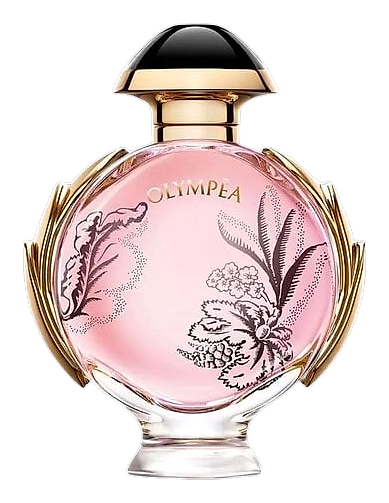
Rabanne was founded in Paris in 1966 by Spanish designer Paco Rabanne, a house known for challenging conventions through bold design and unexpected material combinations. Bruno Jovanovic and Fanny Bal, the perfumers behind Olympea Blossom, understood that the Olympéa line needed a new chapter. Where the original leaned into marine intensity, Blossom stripped that weight and rebuilt around floral and gourmand territory. The result is a fragrance that feels connected to its heritage while speaking a different dialect entirely.
The note philosophy here is about balance between brightness and warmth. Rose and pink pepper bring clarity and energy. Pear and blackcurrant soften that energy into something approachable. Cashmeran, salted vanilla, and patchouli then build a base that feels like a second skin rather than a statement. The salted vanilla specifically brings a savory quality that cuts through typical sweetness, keeping the fragrance from becoming overly romantic or juvenile.
The evolution
The arc moves from crisp florals into soft fruit and finally into creamy gourmand comfort. Pink pepper and rose arrive first, establishing immediate brightness. Pear and blackcurrant follow, introducing juicy complexity that feels natural rather than manufactured. Patchouli and cashmeran arrive in the drydown to ground the sweetness, while salted vanilla adds the unusual salty-sweet tension that makes the base memorable. This progression mirrors a journey from confident initial impression to intimate, lasting signature.
Cultural impact
Olympea Blossom occupies a space between intensity and restraint. Those who found the original Olympéa too much discovered an entry point; those who wanted the Olympéa identity without the aquatic edge found something that worked daily. The fragrance offers warmth and approachability without sacrificing the house's signature character. It's a gentle interpretation of the Olympéa concept, one that makes the bolder releases possible by existing as their softer counterpart.