The Story
Why it exists.
The beginning
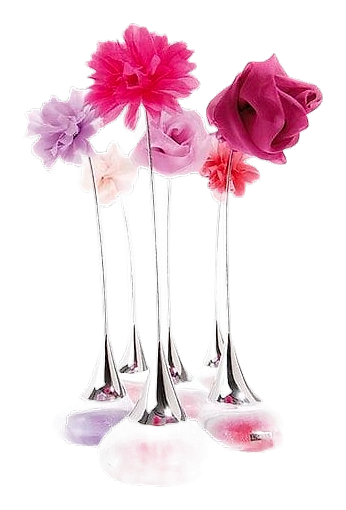
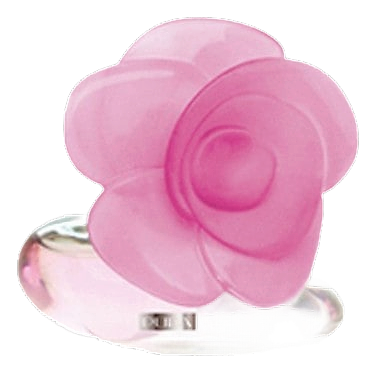
Very Flower Rosa arrived in 2008 as part of Pupa's Very Flower collection, a line built around single-flower portraits. Rosa, as the name promises, is the rose composition. Green, bright, and unapologetically simple. It was the kind of launch that didn't demand attention, it earned it quietly, season after season. The bottle keeps things stripped back too, letting the juice inside carry the weight. Pupa is known as an Italian cosmetics and fragrance house, and this particular release sits comfortably within their catalogue of playful, accessible scents. Rosa doesn't try to reinvent the wheel or chase trends. It just offers a clean, direct take on rose that doesn't need elaborate packaging or marketing fanfare to justify itself.
What makes Very Flower Rosa interesting is what it leaves out. Most rose fragrances tend to arrive weighed down by supporting ingredients, but Pupa kept things stripped to their essentials. Rose, a supporting cast of green and floral notes, and not much else. The result reads as a soliflore with attitude, closer to a stem torn from a bush than a perfumer's interpretation of what a rose should smell like. That confidence in simplicity is the actual innovation here. Rather than building layers of complexity, the composition lets each element breathe.
The evolution
The first thirty minutes are all green. Not the murky, crushed-leaf green of chypres, but the clean, living green of stems and calyx, the part of a rose most people never think about. The rose herself arrives gradually, never fully displacing that green backbone. It reads dewy rather than powdery, and there's something almost vegetable about it for the first hour. Two hours in, the composition settles. The green softens into something warmer, almost hay-like, and the rose takes on a faint creaminess. It never goes deep or resinous, never develops a base note that anchors it to something heavier. The drydown stays in this floral-green register, just quieter. You catch yourself leaning in to find it, which is its own kind of charm. The fragrance wears close to the skin in its later stages, pulling inward rather than projecting outward.
Cultural impact
Very Flower Rosa sits in an interesting gap within the rose fragrance landscape. It found its audience among people who wanted a rose that didn't announce itself, and that's precisely the kind of quiet loyalty a fragrance like this tends to build. It doesn't chase trends or reinvent itself every few years. The composition is what it is, and that kind of consistency is increasingly rare. Among fragrance communities, Rosa has developed a steady following of devoted wearers who appreciate its restraint. It rewards repeat wear, revealing slightly different facets depending on the day or the season.