The Story
Why it exists.
The beginning
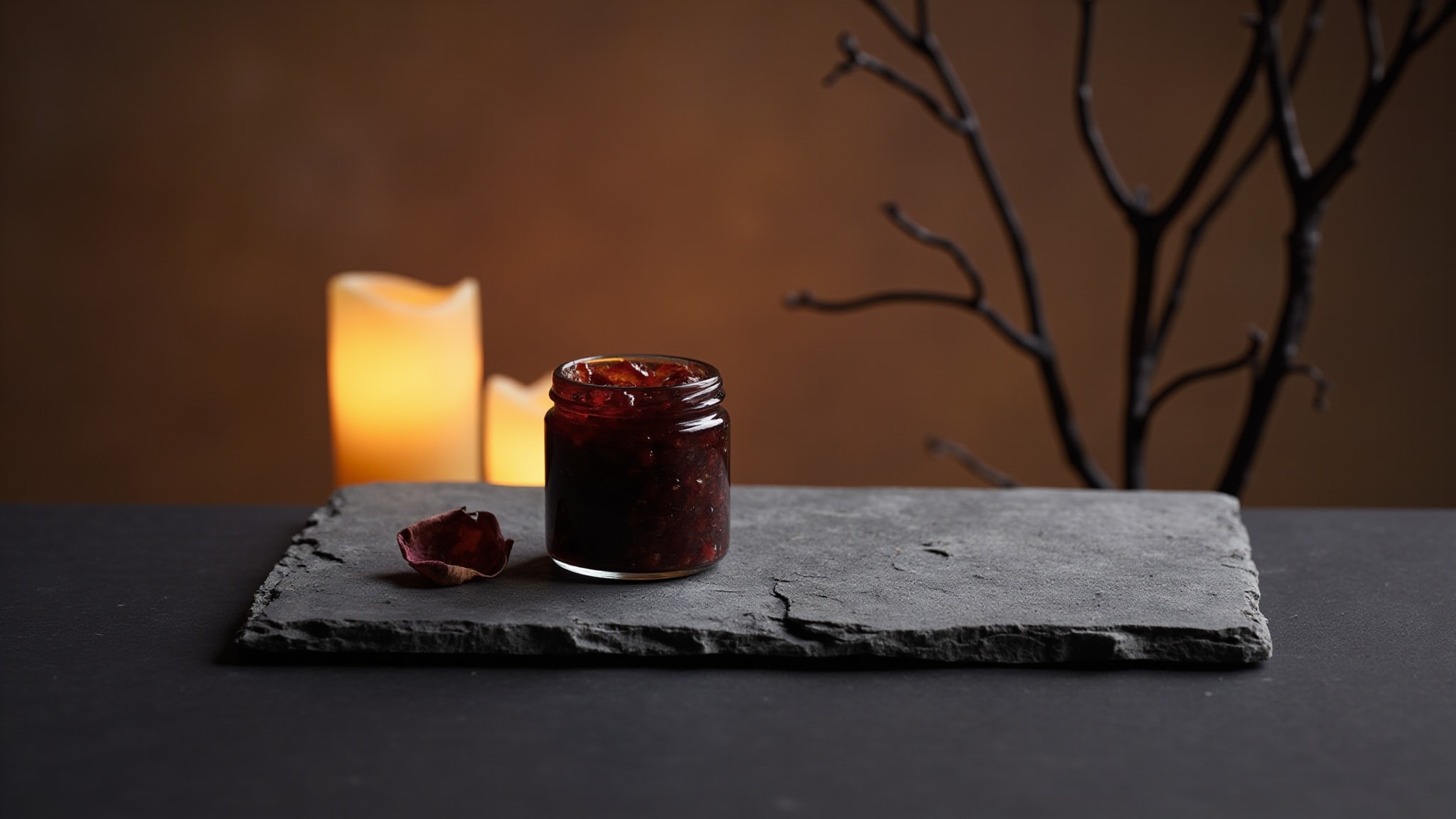
Rose Bohème was an early statement from a perfumer working with natural materials. Released in 2011, it arrived with a clear intent: make a rose that earns its adjectives. Turkish rose as the anchor, yes, but built around it something with weight and intention, patchouli that aged instead of wandered, fir that grounded instead of decorated. The fragrance opens with a rich, jam-like rose sweetness that doesn't apologize for its presence. As it develops, the patchouli adds earthy depth that becomes more complex with time, while the fir provides a dry, resinous foundation that prevents the composition from becoming merely sweet. The name Bohème speaks to who the fragrance was for: someone who chooses the slightly odd, the fully felt, the handmade over the polished.
The composition operates with careful structural logic. Turkish rose provides the jam, the warmth, the thing people recognize as rose. White rose essence, listed as rare, adds a cooler top note that prevents the fragrance from becoming one long inhale. The two rose materials don't simply double up; they occupy different registers within the pyramid. Red tea keeps the heart from becoming heavy, introducing a slightly astringent quality that reads as sophistication rather than sharpness. Saffron, used sparingly, threads between the floral and woody layers without announcing itself as spice.
The evolution
The opening announces itself without apology. Rose jam, patchouli, a wave of richness that doesn't ease in. Within a few minutes, the red tea arrives to redirect the momentum, less sweet, more considered. The saffron appears as a thin metallic thread, unexpected, slightly challenging. By the time the fir balsam settles in, the composition has already made several decisions the wearer has to either accept or resist. The drydown is where the fragrance earns its reputation. The agarwood arrives late, and the fir balsam that seemed like background noise becomes the dominant texture, dry, slightly animalic, long-lasting. On fabric, it lingers into the next day. The scent changes character multiple times before the final hours arrive, when the woody notes finally relax into something softer and more intimate on the skin.
Cultural impact
Rose Bohème doesn't apologize for its complexity. While many botanical rose fragrances lean in softer, more easily categorized directions, this one goes somewhere else. The combination of Turkish rose, oud, and fir balsam creates a scent that holds its own against richer, more traditionally composed fragrances. Wearers who seek it out tend to be those who've grown impatient with synthetic compositions that smell identical from brand to brand. The fragrance appeals to anyone who notices such distinctions and values a scent that offers something genuinely different from the mainstream offering.