The Story
Why it exists.
The beginning
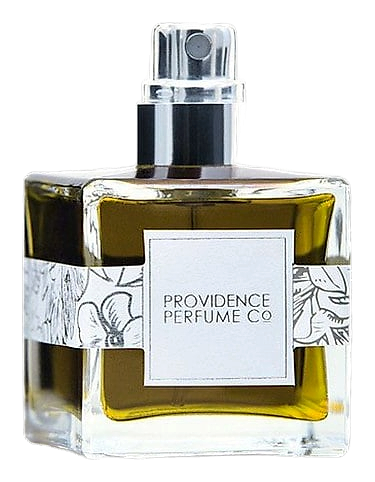
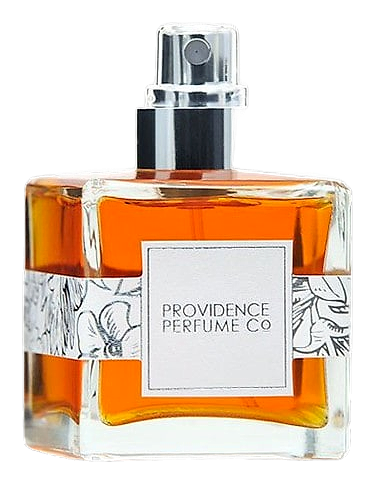
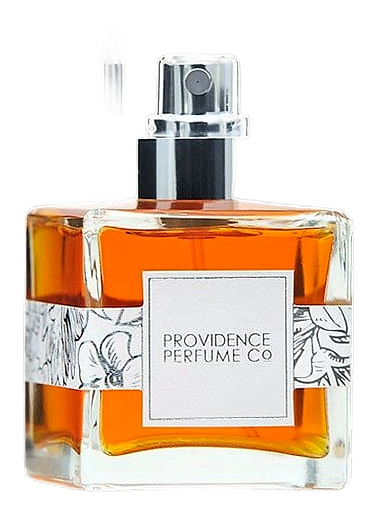
In 2012, Charna Ethier faced a problem that botanical perfumers know well: honeysuckle doesn't yield to extraction. The flower that perfumes memory itself produces almost nothing usable in a laboratory. Rather than reaching for a synthetic accord, Ethier rebuilt the scent from plants that could approximate it. Bergamot opened bright. Indian jasmine sambac added depth. Rose rounded it with softness. Coriander brought an unexpected green coolness that kept the whole thing from becoming saccharine. Vetiver grounded it. Ambrette finished it with a warm, skin-like musk. The result was a honeysuckle that smelled honest and alive, constructed from natural botanical materials.
The coriander plays a distinctive role in this composition. In most floral compositions, it reads as a background spice, a whisper in the top notes. Here, Ethier let it breathe, using its cool, slightly soapy green character to anchor the sweetness of the honeysuckle reconstruction. The ambrette matters too. Derived from musk mallow seeds, it provides an animalic warmth that brings the composition close to the skin, creating a sense of intimacy rather than projection.
The evolution
The opening arrives bright citrus, the kind that could read as cleaning product if the coriander didn't arrive to course-correct. That cool green snap is the first sign this isn't behaving like a conventional white floral. The honeysuckle takes its time arriving, building slowly, sweet and thick, joined by jasmine sambac and a rose that adds a softness without lightening the composition. The fragrance lingers in this floral heart longer than expected, dense warmth before the drydown begins. The transition isn't dramatic. The honeysuckle recedes gradually as vetiver and ambrette rise, creating a warm, slightly musky base that sits close to the skin. The longevity holds well throughout the wear, with a sillage that stays intimate rather than projecting. It doesn't announce itself. It leaves a trace.
Cultural impact
Hindu Honeysuckle represents an innovative approach to a notoriously difficult material in natural perfumery. Rather than using synthetic approximation, the house tackled honeysuckle through botanical reconstruction, building the scent from complementary natural materials. This approach offers an alternative for wearers who prefer plant-derived compositions over synthetically constructed alternatives. The fragrance stands as an example of the creative possibilities within natural perfumery, demonstrating how careful ingredient selection and thoughtful blending can capture the essence of flowers that resist traditional extraction methods.