The Story
Why it exists.
The beginning
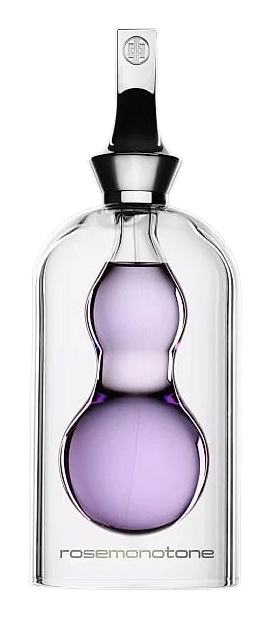
Rose Monotone arrived in 2025 from Claire Liégent, a perfumer working under the Première Peau banner. The house keeps things simple on the surface: a perfume, a name, a maker. What matters here is the rose itself, and Liégent's choice to strip it down rather than sweeten it up. Instead of leaning into the syrupy, jammy side of rose that dominates so many launches, she pulled the flower toward something cooler and more abstract. The result reads less like a bouquet and more like a study in restraint, a rose that holds back on purpose and asks you to lean in closer to catch what's actually there.
Rose oxide gives certain roses their metallic, geranium-like chill, and Rose Monotone turns it up until it dominates the composition. Pink pepper sharpens the angle, adding a quick bite that keeps the opening from drifting too cold. Lychee sorbet brings a frozen-fruit sweetness that reads as icy rather than ripe, more like something pulled from a freezer than a fruit bowl. Haitian vetiver grounds the base with something earthy and dry, pulling the composition back toward earth after all that mineral lift.
The evolution
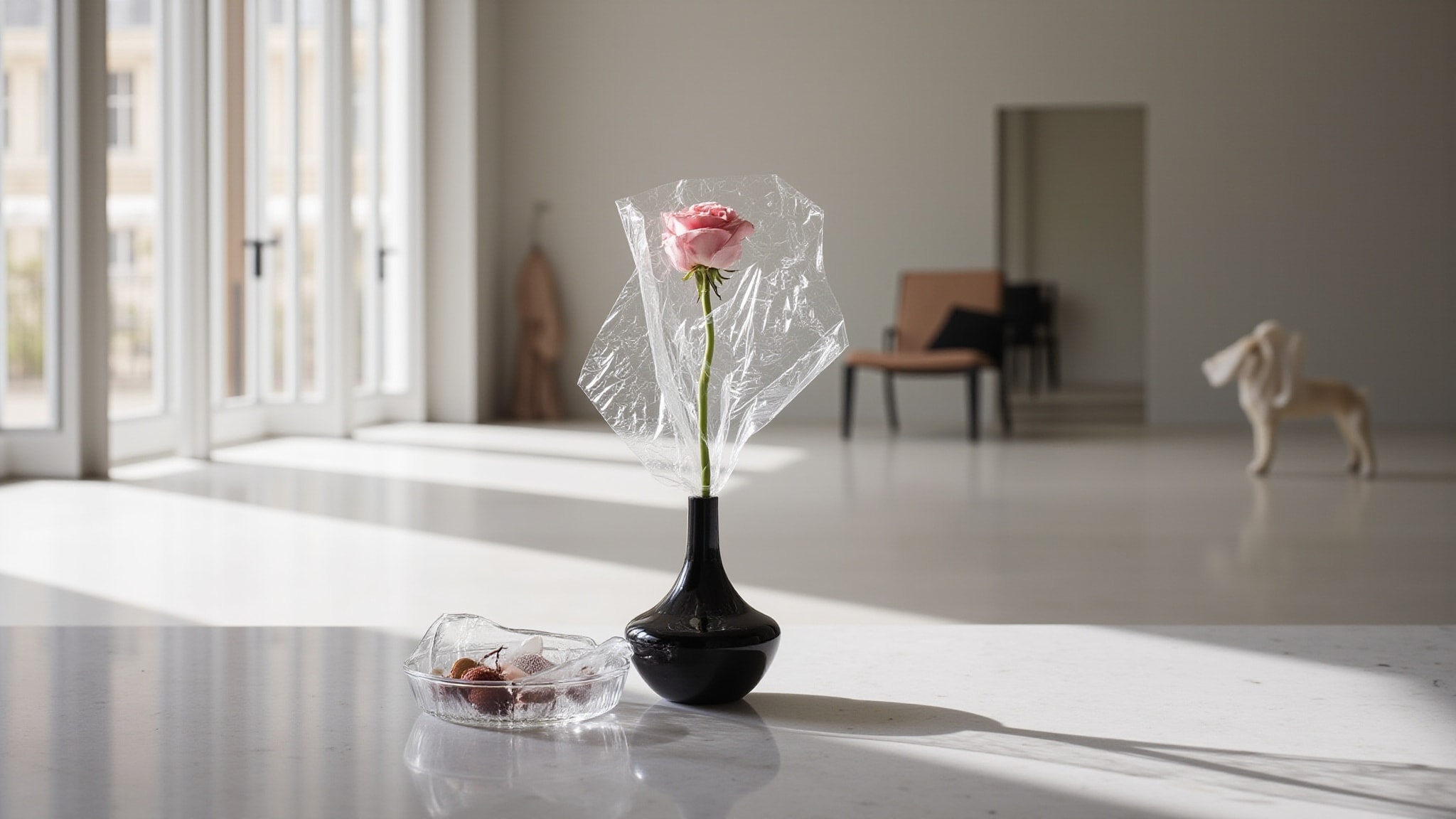
The first spray announces itself immediately, cold and slightly green, the lychee hitting before the rose fully registers. The cellophane and pink pepper arrive quickly, turning the composition angular, almost architectural, the kind of scent that feels built rather than grown. There's a moment early on where it feels like two fragrances are competing for the same space: one wants to be a bright, icy floral, the other wants to be something more austere and stripped-down. They merge into a single dry, mineral rose that holds close to skin for a good long stretch, a quiet presence rather than a loud one. The Haitian vetiver emerges in the final third, adding a smoky, rooty undertone that keeps the sweetness from ever feeling safe or expected.
Cultural impact
Rose Monotone reads as a deliberate counterpoint to the rose genre's usual warmth, a composition that treats the flower as raw material rather than romance. Wearers describe it as cold, architectural, deliberately stripped-back, the kind of rose that rewards close attention rather than casual sprays. Its angular clarity keeps it distinct from conventional rose releases, and the icy character appeals to anyone tired of the syrupy, honeyed roses that crowd the market.