Cellophane
Cellophane is a modern aromatic concept that captures the crisp, clean scent of fresh cellophane. In perfumery, it describes a translucent, ozonic quality that evokes the tactile sensation of unwrapping something pristine, lending fragrances an air of contemporary minimalism.
Character
How it smells
The scent of pristine modern air, captured in a bottle.
Jacques Brandenberger invented cellophane in 1908 after watching wine spill on a tablecloth, seeking a coating that could repel liquids.
Pairs beautifully with

Origin
Switzerland
The story of cellophane as a fragrance concept begins with the material itself. Swiss textile engineer Jacques Brandenberger invented cellophane in 1908, initially seeking a waterproof coating for tablecloths.
By the 1920s, it had become a transformative packaging material, prized for its clarity and the distinctive crackling sound it produced when unwrapped. As cellophane wrapped everything from chocolates to cosmetics, its scent became deeply embedded in cultural memory.
Perfumers, always attuned to the aromas of daily life, began incorporating this crisp, clean quality into fragrances in the late twentieth century. The concept represents perfumery's ongoing dialogue with modernity, translating an industrial material into an artistic sensory experience.
Wears it best
Fragrances featuring Cellophane
Brands
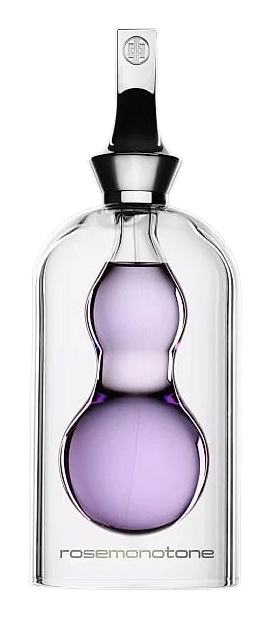
Brands known for Cellophane
Good to know
Questions, answered
The essentials on Cellophane in perfumery: how it smells, where it comes from, and how it behaves on skin.
What does Cellophane smell like?
Cellophane evokes the crisp, clean aroma of fresh plastic film with ozonic and slightly sweet qualities. It smells airy, transparent, and contemporary.
Is Cellophane a natural fragrance ingredient?
No. Cellophane is a purely synthetic aromatic concept constructed from lab-made molecules like Calone and aldehydes. No natural extraction process is involved.
When did perfumers start using Cellophane?
Perfumers began incorporating cellophane-like qualities in the late twentieth century, drawing inspiration from the material's cultural presence in packaging and daily life.
What fragrance families commonly use Cellophane notes?
Fresh, modern compositions such as aquatic, ozonic, and clean aldehydic fragrances frequently feature this note. It suits minimalist and contemporary fragrance profiles.
Who invented cellophane the material?
Swiss engineer Jacques Brandenberger invented cellophane in 1908 while seeking a waterproof coating for textiles. The invention later transformed the packaging industry.
Does Cellophane last long on skin?
As a top-to-heart bridging note, Cellophane typically projects strongly in the first hour but evolves as the fragrance develops and the drydown emerges.
Is Cellophane safe to use in fragrance?
The synthetic molecules used to construct Cellophane notes undergo rigorous safety assessment by IFRA and the fragrance industry before inclusion in commercial products.
Which famous fragrances feature Cellophane notes?
Fresh, contemporary fragrances often use clean ozonic accords inspired by cellophane. The note appears across numerous modern compositions, particularly in aquatic and minimalist styles.