
The Story
Why it exists.
The beginning
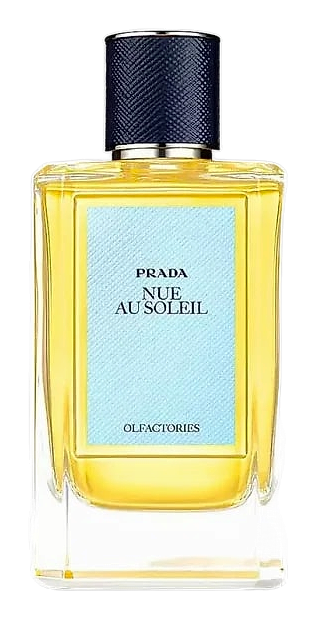
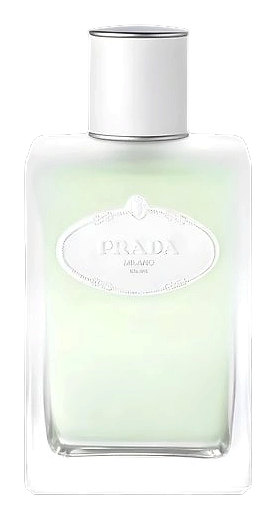
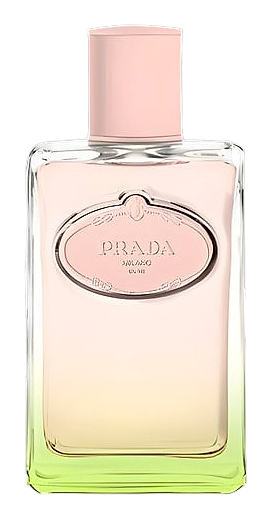
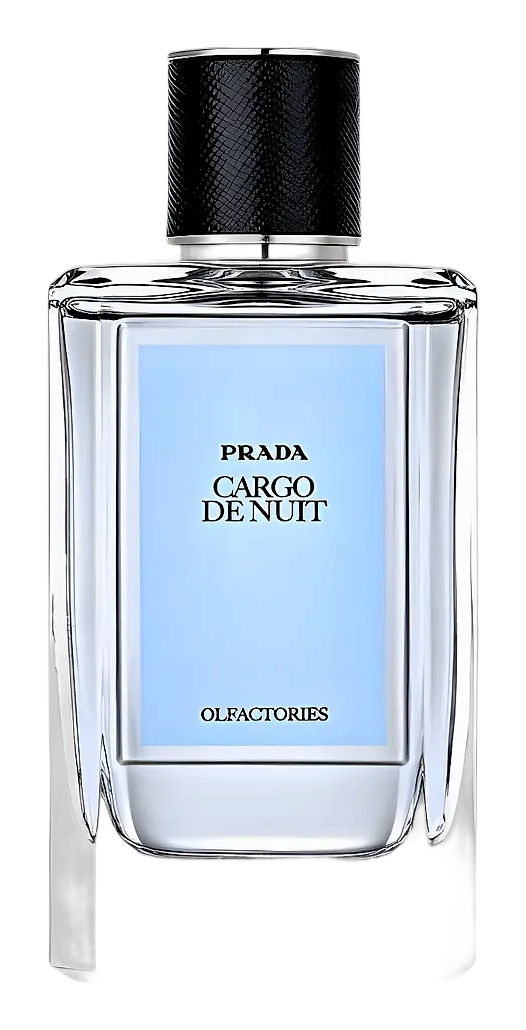
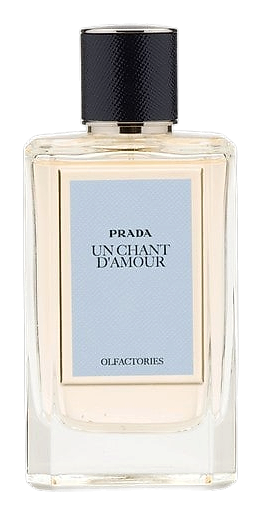
Un Chant d'Amour entered the world in 2015 as part of Prada's Olfactories collection, a curated series of fragrances conceived as conceptual explorations rather than commercial releases. The name itself is a declaration: a love song, rendered in scent. Daniela Andrier, the house's longtime perfumer, described these creations as "potent concoctions of the unexpected, provoking the cinematic experience of a partially remembered dream." Un Chant d'Amour is precisely that, an echo of intimacy rather than a statement about it. It doesn't shout. It lingers.
What makes this composition work is its refusal to resolve into anything obvious. The cotton flower note, an unusual material in perfumery, provides a textural anchor that most fragrances in this class simply don't attempt. Instead of relying on the usual aldehydic drama, Andrier builds a powdery white floral heart around cotton flower and lily of the valley, then grounds it in benzoin's warm resinous base. The result is clean without being sterile, sensual without being sweet. The neroli and bergamot opening is brief by design, a moment of brightness before the real work begins.
The evolution
Bergamot arrives first: sharp, citrussy, gone within minutes. Then the neroli takes over, bringing its bitter floral edge alongside fresh petitgrain, and for a brief window this reads like a classic cologne. Except it doesn't stop there. The cotton flower appears around the twenty-minute mark, adding a soft, almost dusty quality that shifts the entire register. Orange blossom and jasmine arrive together, but they don't compete, they float above the cotton like a veil. Three hours in, the musk becomes the only story. It's close, warm, and entirely personal. On fabric, it can last into the next day.
Cultural impact
Un Chant d'Amour occupies a singular position in modern perfumery as one of the few mainstream releases to center neroli as a protagonist rather than a supporting note. Released during a period when citrus-floral compositions were largely abandoned by luxury houses in favor of oud and amber, this fragrance represented a quiet rebellion, a return to Mediterranean roots and the romantic sensibility of early 20th century fragrance design. Its continued presence in the Prada lineup speaks to a lasting audience that values subtlety over spectacle.