
The Story
Why it exists.
The beginning
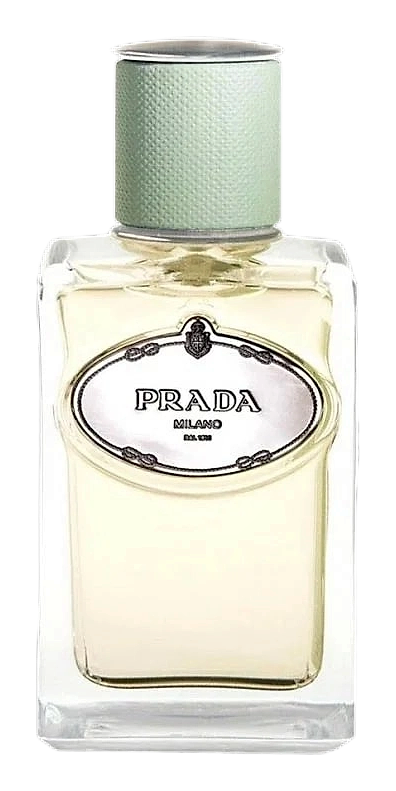
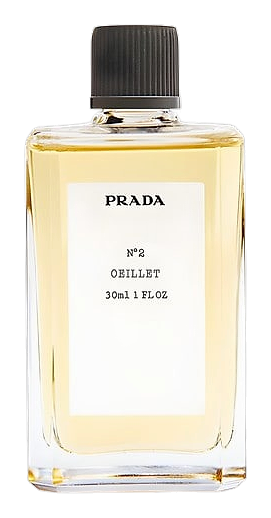
In 2003, Prada released four fragrances under its exclusive collection. One of them took its name from a flower that most houses prefer to bury under sweetness. Oeillet, carnation in French. Daniela Andrier built No2 Oeillet around the idea that carnation could be something other than powdery and predictable. She kept the spice. Let the clove amplify it. Then she introduced iris to cool everything down.
What makes No2 Oeillet unusual is its refusal to make carnation comfortable. In most floral compositions, carnation becomes a supporting player, softened, sugared, made polite. Here it sits at the center, unapologetic, its natural eugenol kick held in check only by the cool, slightly buttery presence of iris absolute. The heliotrope and rose absolute add floral weight without sweetness. It's a floral-spicy that doesn't behave like one.
The evolution
The opening is all carnation and clove, direct, with a slight bite. Not aggressive, but immediate. About twenty minutes in, the iris asserts itself, shifting the register from spicy to powdery. The heliotrope and rose absolute layer in, creating a heart that feels warm rather than sweet. As the hours pass, the florals recede and the base takes over, patchouli, sandalwood, vetiver, a quiet pulse of musk. By hour six, it's close to the skin, intimate, present only for someone leaning in.
Cultural impact
Released alongside three other exclusives in 2003, No2 Oeillet arrived at a moment when the market was saturated with sweet florals andorientals. It offered something different, a floral-spicy that stayed cool, composed, and unintuitive. The carnation-forward structure was unusual enough to divide opinion: too powdery for some, too spare for others, and exactly right for a specific kind of wearer who had grown tired of florals that behaved as expected.