
The Story
Why it exists.
The beginning
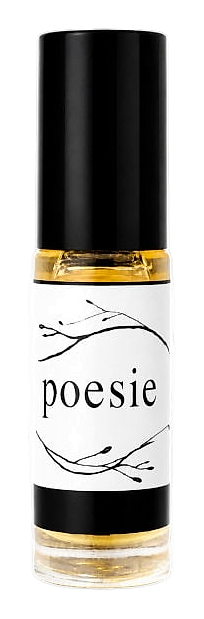
Pemberley exists because Jane Austen's novels built a place in everyone's imagination that no one has ever actually visited. The estate, the grounds, the feeling of arrival at a place that exists only in prose and memory. For Pemberley, Joelle Nealy translated that literary longing into scent, working from a brief that named not a person but a place, and a fictional one at that. The challenge: give people something real to smell when they've only ever had something imagined. Nealy reached for materials that carry the weight of English gardens without resorting to the obvious. Flowering woodbine and wisteria, peony petals, oak, ivy leaf, and that unusual green note, tomato leaf. The result is less an estate portrait and more an emotional translation: the anticipation of going somewhere you've never been but have always wanted to arrive.
The note pyramid here is built on a foundation of green rather than the more typical citrus or aromatic opening. Ivy and tomato leaf establish a vegetal freshness that sets Pemberley apart from conventional florals. The combination of honeysuckle with wisteria and oak creates an unusual sweet-floral structure that avoids the typical honeyed sweetness. The oak in the base gives it more staying power than a standard floral usually claims. The ozonic quality, the fresh, atmospheric lift noted in the accords, is what makes the green reading as vegetal rather than herbaceous. Tomato leaf is a relatively uncommon material in perfumery, typically found in niche and indie compositions rather than mainstream releases.
The evolution
The opening arrives sharp and immediate, ivy and tomato leaf announcing themselves in the first breath. The green is clean but not sharp, more like stems just snapped than herbs just crushed. Within twenty minutes, wisteria begins to thread through, softening the vegetal edge and introducing that characteristic violet-like sweetness. The transition from green to floral is gradual rather than dramatic. The heart phase belongs to the wisteria-honeysuckle combination, supported by peony. The peony doesn't announce itself loudly, it's more of a presence, adding body to the floral rather than dominating it. This phase carries the fragrance for three to four hours on most skin types. Oak emerges in the drydown, grounding the florals and preventing the composition from fading into pure sweetness. The final hours read as wisteria and oak together, still floral, but with wood underneath.
Cultural impact
Pemberley occupies a specific niche within the green floral category, it's vegetal where most green florals read as herbaceous, and ozonic where they might read as fresh-cut grass. Wearers describe it as the scent of an English garden after rain rather than a sun-drenched Provençal hillside. The fragrance attracts people who appreciate floral compositions but find most releases too predictable. It's not a statement fragrance or a crowd-pleaser by design, it's quieter than that, more literary, asking the wearer to bring their own imagination to the experience.