The Story
Why it exists.
The beginning
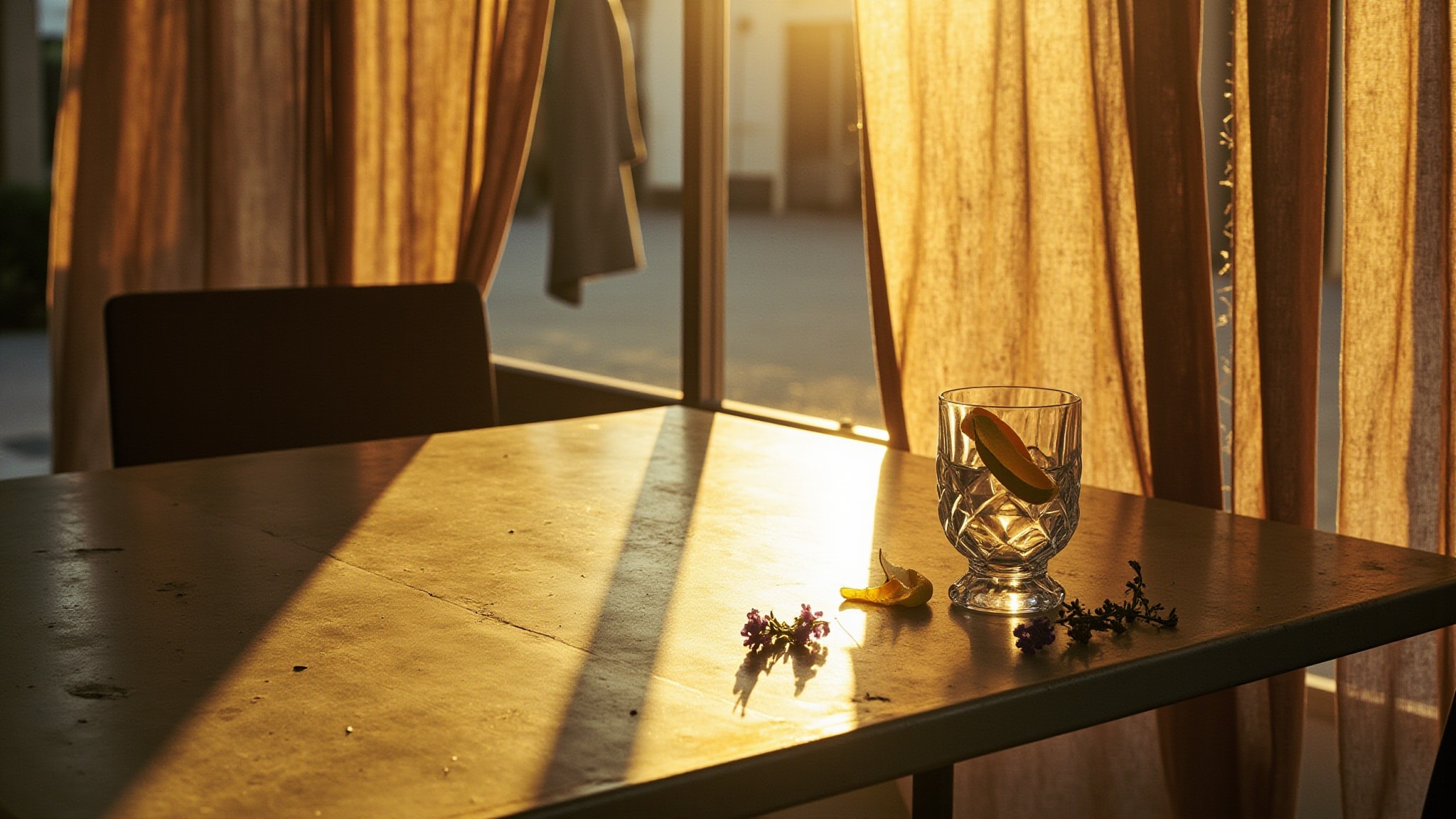
Montmartre takes its name from the Parisian hillside neighborhood that drew painters, writers, and other bohemians long before it became a postcard. Joelle Nealy composed the release as a translation of that atmosphere: dappled sun on warm skin, a splash of absinthe catching the light, a twist of bergamot peel, a cool spring breeze moving through the lavender and violet leaf that grow wild along the neighborhood edges. There is something generous about the way the fragrance opens, less a recreation of a place than a feeling of being somewhere new and recognizing it immediately.
What makes Montmartre unusual is the way the notes refuse to behave like a traditional aromatic. Absinthe and violet leaf together create a bitter-green tension that most compositions either mute or overplay, and here they negotiate rather than compete. The lavender enters as a quiet middle voice, bridging the sharper green notes with the warmer, softer elements that emerge as the hours pass. There is a creaminess underneath, almost skin-like, that keeps the bitter notes from feeling austere or overly intellectual.
The evolution
Montmartre opens sharp and herbal, the bergamot and violet leaf cutting in first while absinthe lingers just behind. The opening is bright and slightly bitter, with the cool anise edge of absinthe threading through the citrus brightness of the bergamot, and the violet leaf adding a green, almost watery quality that keeps everything feeling fresh rather than heavy. Then the lavender and the skin accord take over, and the composition softens without losing its structure. The green notes warm up rather than fade, and there is a moment where the whole thing feels suspended between herb and something rounder, almost like sun-warmed cotton. The solar elements lend a gentle warmth that reads like light on a wall, present but never aggressive, and the lavender settles into a honeyed, slightly camphorous softness that most compositions never quite achieve.
Cultural impact
Montmartre belongs to a small but recognizable family of indie fragrances that take the bones of a classic aromatic structure and rebuild it with a gentler hand. Where traditional European aromatics tend to be sharp, fougère-leaning, and built around strong sillage, this one keeps its volume low and lets the green notes do the quieter work. The Weekend in Paris collection it belongs to reflects a broader impulse in indie perfumery toward scents that feel like a mood or a place rather than a statement.