
The Story
Why it exists.
The beginning
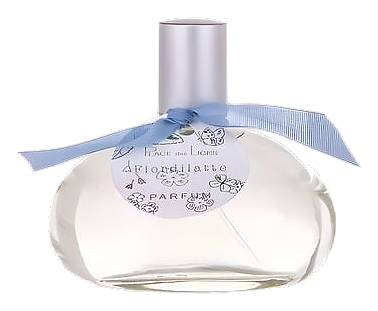
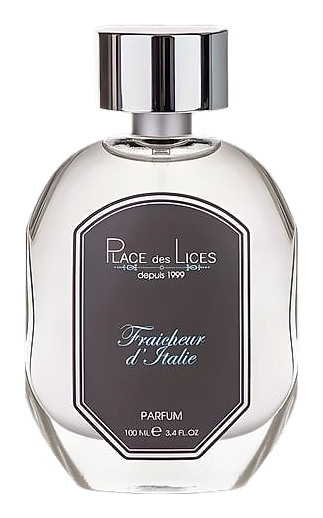
Fraicheur d'Italie translates loosely as 'freshness of Italy,' and that's the whole brief in two words. Marie Duchêne composed this fragrance, working within the perfumery tradition of Grasse. The name suggests a Mediterranean sensibility, a sensory postcard from a coastline where land and sea trade light and salt through old stone walls. There is no grand narrative, no mythologized origin story. Just a specific feeling, captured in a bottle, from a town that knows how to bottle feelings. The composition leans into the idea of sun-warmed architecture and cool air moving through garden courtyards, the kind of place where a breeze picks up the scent of crushed herbs and distant citrus groves before carrying it past a sun-bleached terrace.
What makes this composition work is the restraint. The lemon and pink pepper handle brightness without shouting, lifting the top notes into a clean, almost tart brightness that reads as fresh rather than fizzy. White flowers soften the edges just enough to keep the whole thing from collapsing into something linear or synthetic, lending a creamy, slightly honeyed texture to the mid-phase without ever tipping into indolic heaviness. And ambergris in the base, rather than something heavier or sweeter, gives the drydown a saline, slightly animalic warmth that earns its salt.
The evolution
The opening is the brightest the scent will ever be. Pink pepper snaps open with a dry, almost mineral heat, then lemon cuts through clean, almost tart, like zest squeezed over something cold. The marine accord rides underneath, never quite announcing itself, more like humidity in the air than a wave on the skin. As the minutes pass, the white flowers arrive, and the whole thing shifts from sharp to soft without losing its shape. The transition is gradual but unmistakable: what began as a bright, slightly bracing accord develops a creamy, lived-in warmth, the florals bridging the gap between the sparkling top and the denser base. Eventually, the composition settles into its resting state: a warm, woody-ambergris base that hums rather than projects, settling close to the skin like a second layer of fabric.
Cultural impact
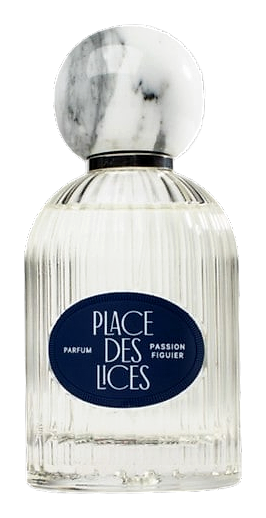
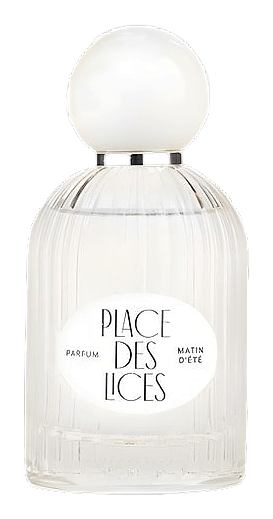
Fraicheur d'Italie sits in the space where Mediterranean-inspired fragrances live, alongside house staples like Matin d'Été and Passion Figuier. It's a quieter entry in the Place des Lices catalogue: no gourmand sweetness, no heavy orientals, just a clean coastal composition built around marine accents, white flowers, and an ambergris base. Within the brand's range, it leans toward freshness rather than warmth, toward restraint rather than statement. The lemon and pink pepper keep the opening bright without veering into sharpness. The white flowers soften the mid-phase.
The House
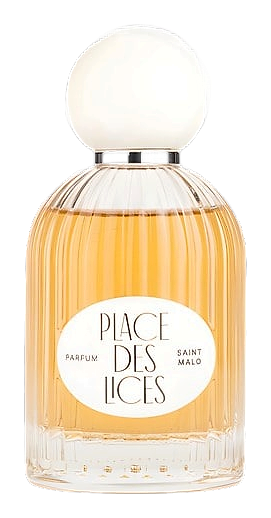
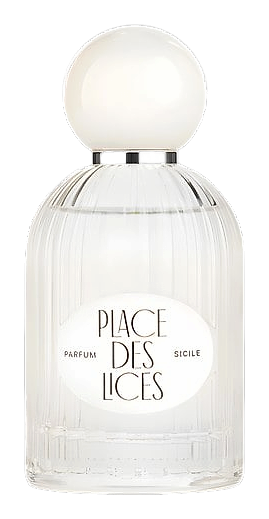
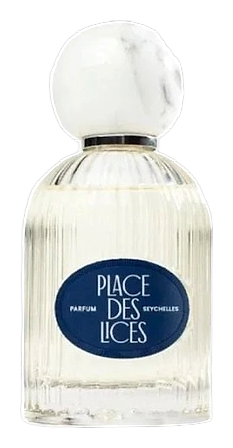
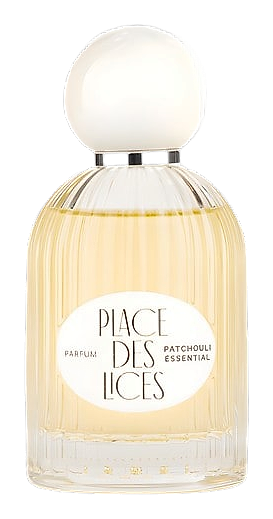
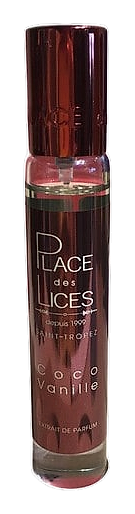
Place des LicesPlace des Lices creates fragrances that echo the light of the French Riviera. Based in Grasse, the historic perfume capital, the house draws on Provençal gardens, sun‑kissed beaches and the rhythm of coastal towns. Its catalogue includes scents launched between 1999 and 2023, such as Matin d’Ete, Vanille Crème and Passion Figuier. Each bottle offers a concise portrait of a place, a season or a memory, inviting wearers to carry a fragment of the Riviera on their skin.
The Creator
Marie DuchêneMarie’s style leans toward naturalism, favoring botanical absolutes, fine woods, and delicate florals. She often begins with a single heart‑note—lavender, rose, or jasmine—then builds a supporting structure of citrus top notes and soft musks.