The Story
Why it exists.
The beginning
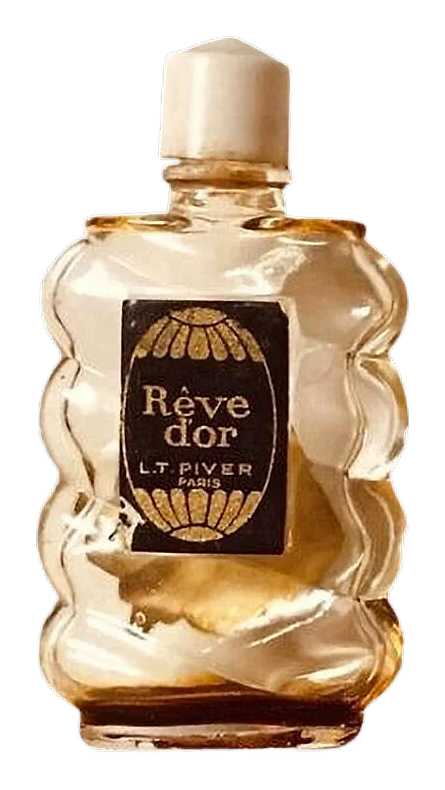
Rêve d'Or was born in 1889 Paris, created for the Exposition Universelle, the world's fair where France showed off everything it had become. Georges Darzens composed the original, working with aldehydes at a moment when French perfumery was still figuring out what they could do. Aldehydes gave the fragrance its lift, its brightness, the sense of something effervescent and modern. More than a century later, Thierry Wasser went back to that original structure. Not to recreate it. To understand what made it work, then build something that would work now.
The choice of aldehydes as a structural element isn't cosmetic here, it's architectural. Aldehydes behave strangely on skin: they amplify everything around them, making citrus brighter, florals fuller, the whole composition feel more present. In 1889, this was revolutionary. Wasser uses them the same way, but pairs them with raspberry and saffron, materials that didn't exist in French perfumery's early days. The result is a fragrance that reads as both historic and current. The aldehydes give it that characteristic powdery sheen; the saffron adds warmth that keeps it from feeling like a costume.
The evolution
The opening lasts about fifteen minutes of genuine luminosity, that aldehydic sparkle that makes the fragrance feel like it's hovering just above the skin rather than sitting in it. Then the florals arrive, not all at once but in waves: rose first, then raspberry peeking through like a half-heard melody. The saffron is patient here, waiting until the heart has settled before adding its warmth. By the third hour, cedar and musk take over. The drydown isn't dramatic, it doesn't shift gears or surprise you. It simply becomes quieter, closer, the kind of presence you notice when someone leans in. On fabric, it lingers into the next day.
Cultural impact
Rêve d'Or occupies an unusual position: a historic composition revived for a contemporary audience without being sanitized or dumbed down. The aldehydes remain the point. In a market that often treats vintage structures as obstacles to modern appeal, this fragrance treats them as features.