The Story
Why it exists.
The beginning
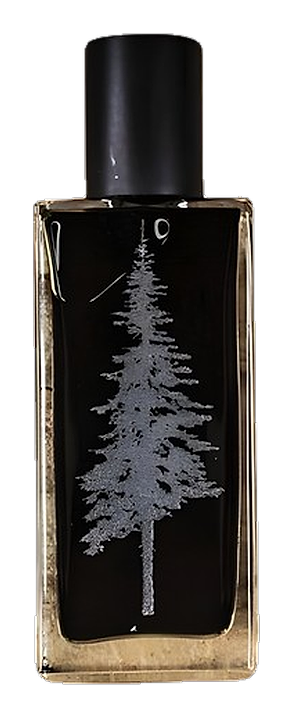
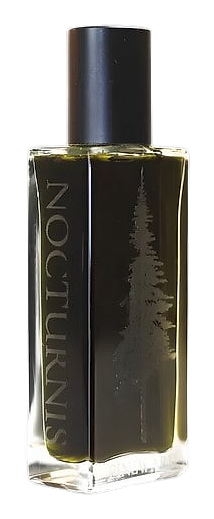
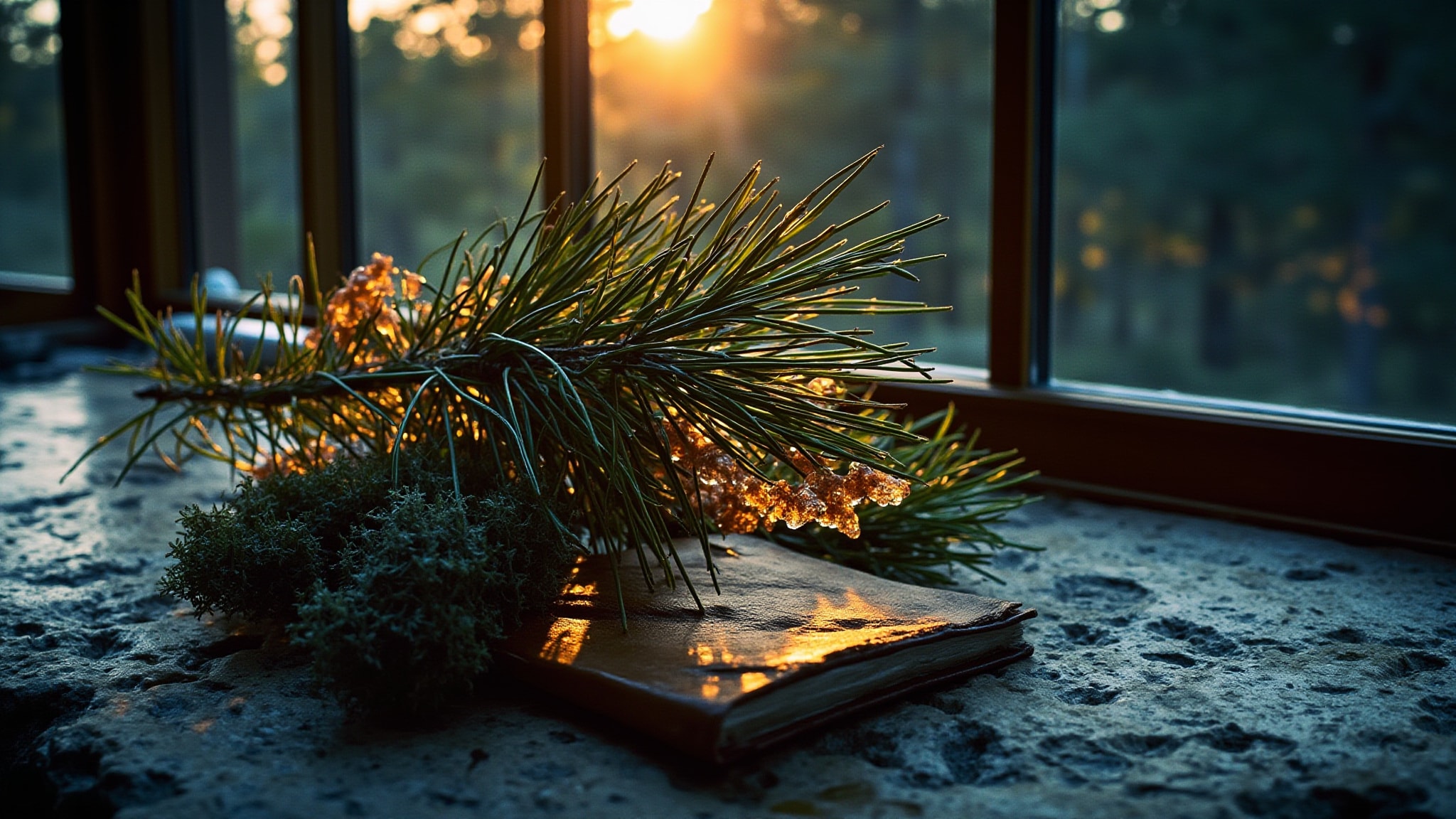
Nilsson had already mapped the daytime forest with Fanghorn II. Nocturnis takes that same conifer structure and pulls it into shadow. The vintage Polo DNA threaded through the composition gives it an unexpected refinement beneath all that green. The forest shifts as light fades, and this fragrance captures that moment when the trees become something else entirely. The mountain cabin door closes and the pines keep watch outside. The air inside turns cool and still, carrying the weight of all those darkening branches.
What separates Nocturnis from the rest of the Pineward catalog is its oakmoss backbone. The community has noted a strong 70s chypre character, the kind of mossy depth that modern reformulations have largely erased from mainstream perfumery. That mossy richness doesn't just sit beneath the pine; it takes over the drydown. The tobacco and hay notes give it warmth without sweetness, and the carnation-geranium pairing adds a spiced floral dimension that keeps the forest from reading as purely coniferous.
The evolution
The opening hits like stepping through a door into cold air. Bergamot and juniper arrive fast and clean, a sharp alpine note that doesn't linger. Within minutes the pines move in, silver fir and pine sap taking over, dense and sappy. The carnation appears early, lending its spiced clove warmth before the oakmoss fully arrives. By the third hour, the oakmoss is the tell. That 70s chypre character, the dark green depth, becomes the story. The tobacco and hay keep it warm without any sweetness to soften the blow. Vetiver roots the whole thing into earth. The geranium and chamomile quietly recede, but their herbal clarity prevented the mid-phase from becoming too heavy. The drydown holds. Sandalwood and amber arrive late, but the conifer foundation never fully releases. There's still green, the pine-moss signature that defines this scent echoing on in the background.
Cultural impact
Nocturnis occupies a specific corner of the indie fragrance world, offering something darker and more demanding. The 70s chypre oakmoss character draws comparisons to the house's earlier Fanghorn II, but the tobacco and hay warmth sets it apart. It's not trying to be approachable. That refusal to soften is exactly why the people who love it, love it completely. The fragrance asks something of you, and those who answer find a companion that doesn't compromise.