The Story
Why it exists.
The beginning
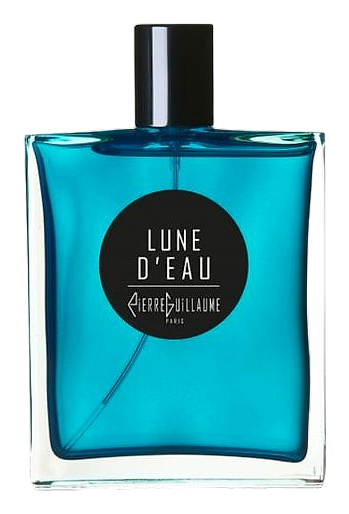
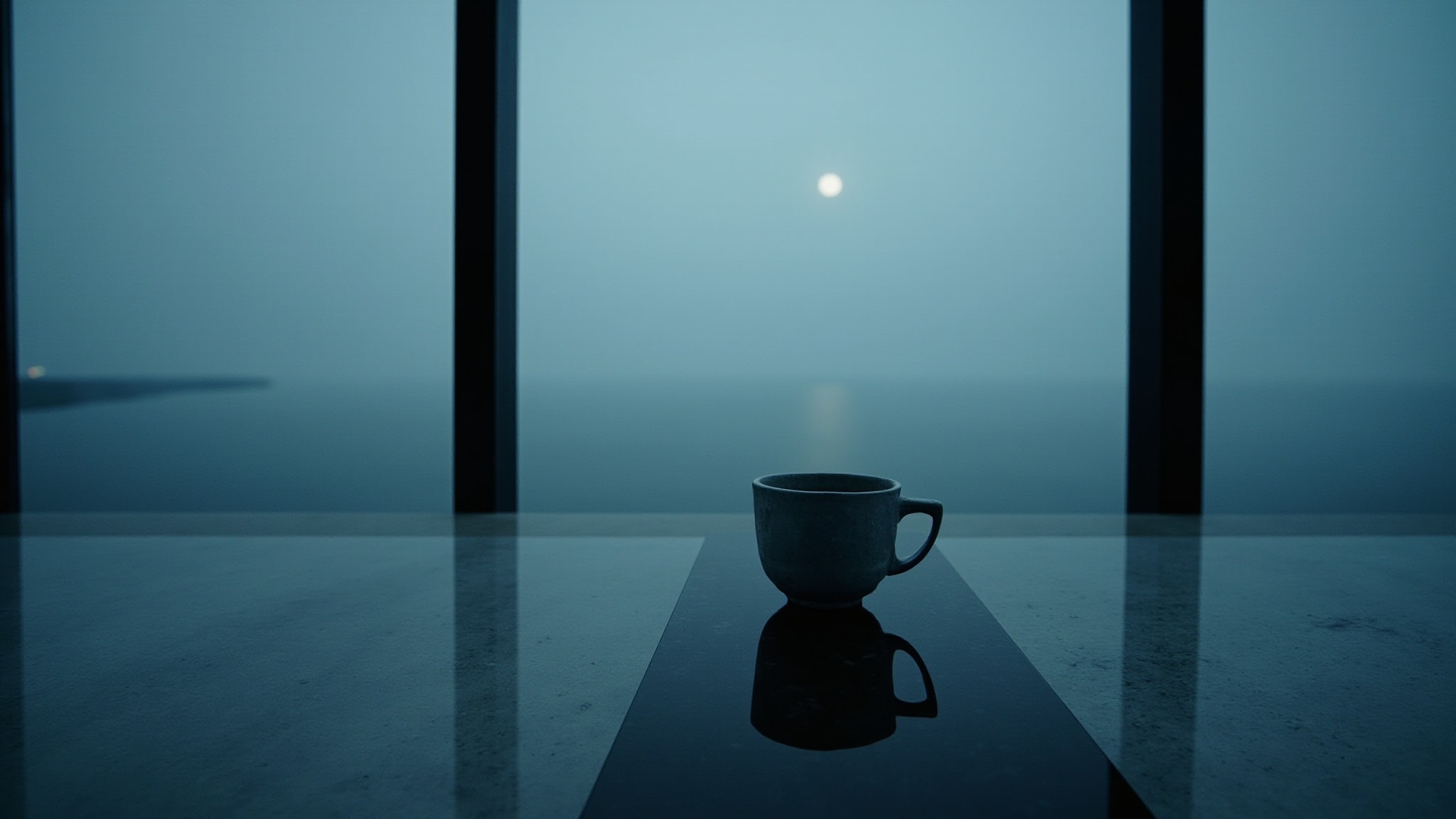
Pierre Guillaume lives near a lake. Early mornings, winter especially, he'd walk its edge and notice how the moon hung low over still water, a pale disc reflected perfectly, then shattered by the faintest ripple. That image, captured in the fragrance's name, draws directly from this moment of reflection and fracture in cold water. More than a simple observation of nature, it reads as a direct transcription of what was witnessed. The release captures a specific hour, a specific stillness, by someone who was actually there to witness it.
Amyris wood serves as a leading note in this aquatic fragrance, reading as slightly resinous and almost balsamic when isolated. Here, it functions almost like a bridge between cold water and warm wood. The ice accord isn't literal frost, it's the mineral quality that extreme cold lends to water. Combined with the mineral notes, it creates a scent that smells like standing on a frozen lake, listening. The composition is spare and focused, letting water, cold, and wood speak without additional embellishment.
The evolution
The opening hits immediately with that mineral-icy signature, clean and sharp. There's no sweetness here, no soft landing. It simply arrives. Shortly after, the amyris wood begins to emerge, warming the composition just enough to prevent it from reading as clinical. The aquatic notes don't disappear, they retreat, settling into the background like mist lifting off water. Over time, the drydown arrives: a quiet, woody minerality that stays close to the skin. No big sillage. No announcement. It simply continues, fading to a soft trace.
Cultural impact
Lune d'Eau arrived during a period of renewed interest in minimalist niche perfumery. Where traditional aquatics often piled on sweetness and marine accord, Lune d'Eau stripped everything back, letting mineral and ice read without apology. The fragrance presented restraint as its central approach, a quiet alternative to more assertive compositions. Its low profile became its statement.