
The Story
Why it exists.
The beginning
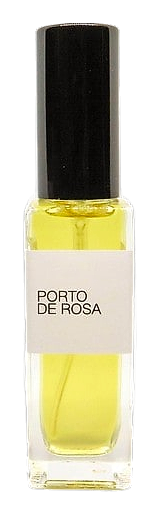
Porto de Rosa captures a study in contrasts: the maritime and the floral, the coolness of open water and the warmth of cultivated rose. The composition presents rose in dialogue with its surroundings, bringing sea salt and spice alongside the floral notes. There is no lychee softness here, no cherry-blossom sweetness. Instead, the rose sits within a framework of mineral and herbal elements that ground it in unexpected territory. The result is a fragrance that offers rose in a different light, cool and slightly austere, presenting the flower without apology while acknowledging its complexity.
The structure inverts the typical rose composition. The rose doesn't arrive first, it emerges gradually, uncovered as the citrus and aquatic top notes recede. Equally unusual: the sea water accord doesn't disappear in the drydown. It lingers, mineral and briny, like a coastline memory that outlasts the florals. The castoreum and tobacco anchor the base without tipping into warmth, keeping the entire composition in a cool register that makes the rose feel living rather than decorative. Cardamom and Sichuan pepper interrupt the florals with an aromatic sharpness that prevents sweetness from ever settling in.
The evolution
The opening hits sharp and ozonic, sea water and bergamot cutting through the air. Grapefruit adds a bitter citrus lift. Petitgrain brings a green, slightly bitter undertone that frames the floral heart without softening it. The heart is where the rose earns its name. Not a single crushed petal, but a living rose, tuberose's creamy white depth woven through, mimosa's powdery warmth rising, lotus keeping everything cool and aquatic. Cardamom and Sichuan pepper add aromatic spice that keeps the florals grounded. As the fragrance settles, the sea water accord develops alongside the other notes, taking on mineral and briny qualities. Tobacco leaf adds dry warmth. Castoreum gives animalic depth, the kind that sits close to the skin. Oakmoss provides a green, slightly earthy base that ties back to maritime herbs.
Cultural impact
Porto de Rosa arrives as a rose that refuses to apologize for being a rose. While other niche releases explore sweetness and bold presence as markers of distinction, this composition takes a different approach, favoring restraint and complexity over statement. It appeals to the wearer who values nuance and intellectual engagement over conventional markers of performance. The rose here is not softened or simplified, but presented with confidence in its own character.