
The Story
Why it exists.
The beginning
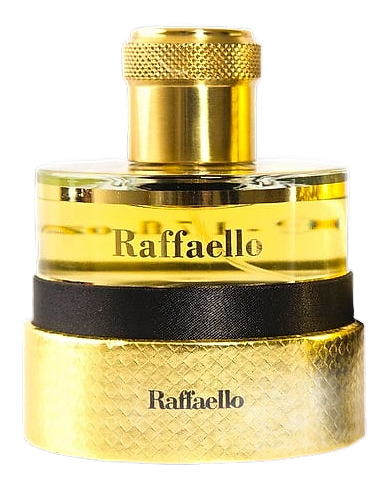
Notte d'Amore means 'night of love', and the name isn't metaphorical. The fragrance draws from one of art history's most tantalizing stories: the relationship between Raphael and Margherita, known as the Fornarina, the baker's daughter he painted and, according to a ring discovered during a restoration of his work, may have secretly married. That hidden ring, tucked away by the painter's students for fear of consequences, suggests a love that existed outside official record, private and enduring. Pantheon Roma translated that tension into scent: a fragrance that opens bright, almost innocent, then settles into something deeper, warmer, harder to let go of.
What makes this composition unusual is how the oud behaves. Rather than announcing itself with the dramatic smoke and leather most wearers expect, it recedes, almost disappears, only to resurface hours later as a skin-close warmth that surprises. The bergamot and orange blossom create a middle ground that's fresh without being cold, floral without being powdery. It's that quality of something that starts one way and ends another that connects Notte d'Amore to its source material: a love story that looked one way on the surface and ran much deeper underneath.
The evolution
The bergamot opens sharp and immediate, a flash of citrus that reads like the first moment of attention, when someone catches your eye across a room. It doesn't linger. Within twenty minutes the orange blossom takes over, bringing a sweetness that feels more like memory than novelty. The rose appears as a quiet underscore, never quite stepping forward. By the second hour, the amber begins its slow rise, and the oud, present but patient, starts to fuse with skin in a way that becomes difficult to distinguish from your own scent. The drydown holds for hours. On fabric, it ghosts until the next wash. On skin, it becomes the kind of warmth you notice the next morning.
Cultural impact
Pantheon Roma emerged during a period when Italian independent perfumery was reclaiming classical heritage without resorting to pastiche. The house pursued a restrained interpretation of oriental materials rooted in artisanal tradition. Notte d'Amore, drawing from Renaissance-era artistic narratives, reflects this approach, using cultural reference not as marketing shorthand but as structural inspiration for how the fragrance unfolds. The brand positions scent as craft object rather than consumer product, inviting a more deliberate relationship with fragrance.