
The Story
Why it exists.
The beginning
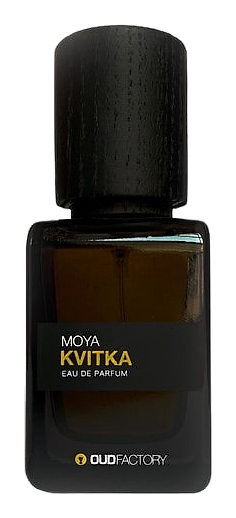
Moya Kvitka launched in 2020 under perfumer Xenom with a distinctly unconventional premise: to recreate the impact of tuberose without using the actual flower. That distinction shapes everything that follows. Rather than presenting a literal bouquet, the composition builds a tuberose impression from raw materials, then places it over an oriental base of resins. Ylang-ylang reinforces the floral accord, lending it body and depth, while star anise and cinnamon introduce a sharp, aromatic heat that cuts through any softness. The interplay between the creamy floral impression and the spicy resinous base creates tension, producing something less like a decorative garden and more like a floral arrangement after dark.
The unusual construction centers on what might be called a flower within a flower. Tuberose dominates the identity, yet it is created without actual tuberose, making the composition feel like an interpretation rather than a botanical portrait. Resinous notes provide depth and warmth, Tolu Balsam brings a sweet balsamic hush, and Sandalwood rounds the structure with a creamy woodiness. Star Anise stops the arrangement from becoming too pretty, giving it a cool anise flicker beneath the heat of cinnamon.
The evolution
The opening lands with a tuberose-led floral impact, creamy but not innocent. Ylang-ylang deepens that first impression, while Tolu Balsam and resinous notes begin laying down a sweet, polished warmth. As the scent develops, cinnamon and star anise sharpen the composition, pushing it beyond soft floral territory without turning it into a kitchen-spice scent. Sandalwood gradually supplies a smoother, woody floor, letting the heavier materials settle rather than flare. Tuberose remains the point of reference throughout the wear, but its edges soften into sweet resin, powder, and wood as the hours pass. The final trail is warm, close, and polished, with enough spice to keep the floral heart awake. The progression feels intentional, each phase revealing a new facet without losing sight of the original floral statement.
Cultural impact
Moya Kvitka fits a particular perspective on what oud-based perfumery can offer. Rather than working exclusively within traditional structures, the fragrance pairs a recreated tuberose accord with resinous warmth and spice, placing a familiar floral signature inside a composition weighted with darker, more resinous materials. That pairing offers something different from a straight floral or a straight resin, creating a hybrid that reads as both approachable and complex. The tuberose impression brings recognition and softness, while the balsam, sandalwood, and spice bring gravity and persistence.
The House
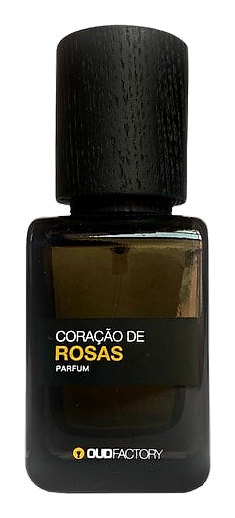
Oud FactoryOud Factory is a niche perfume house founded in 2017, specializing in Oud-based fragrances with a distinct focus on the rare and aromatic heart of the agarwood tree. The house operates as an online-focused brand, offering a curated library of scents that draw from both Middle Eastern perfume traditions and broader olfactory influences. Their catalog spans from rich, resinous compositions to lighter, contemporary interpretations, reflecting a willingness to blend cultural and stylistic boundaries. The brand has built a collection that includes Japanese-inspired creations like Harukaze alongside Middle Eastern classics, suggesting an approach that values versatility alongside authenticity in oud craftsmanship.
The Creator
XenomXenom's signature techniques remain largely undisclosed, as is customary in an industry that guards its creative processes with unusual secrecy. What distinguishes skilled noses in this field is their ability to select ingredients with exceptional care and combine them in ways…