The Story
Why it exists.
The beginning
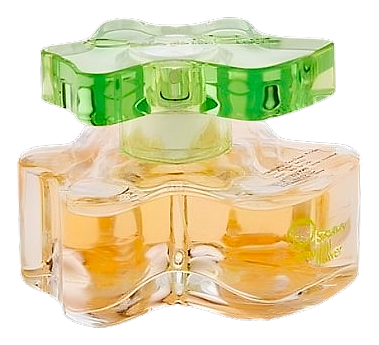
In 2006, Oscar de la Renta turned its attention to tropical florals with a fragrance that captured the lushness of a garden at dusk. Perfumer Nathalie Feisthauer built the composition around an unusual pairing: bright, juicy tropical top notes meeting a heart of creamy white florals, gardenia, frangipani, jasmine. The result was a fragrance that honored the house's long tradition of refined femininity while reaching toward something more sun-drenched and free. Oscar de la Renta had spent decades dressing women for life's most polished moments; Tropical Flower was for the moments in between, warm, unhurried, and distinctly alive.
What makes Tropical Flower work is the tension between its opening and its heart. The passion fruit and melon hit bright and refreshing, a tropical opening that could easily veer into sunscreen territory if left unchecked. But Feisthauer didn't let it. The melon acts as a cooling agent, and the white florals arrive to take over before the tropical notes ever get aggressive. Gardenia brings creaminess; jasmine brings depth. Frangipani bridges the gap, tying the tropical opening to the floral heart with something almost lactonic. It's a composed fragrance, one that knows where it's going and gets there without drama.
The evolution
The opening arrives in seconds: passion fruit and melon, a shimmer of tropical brightness that reads fresh and immediately appealing. Not sharp, not synthetic, just ripe. The melon keeps it cool for the first thirty minutes or so, a soft watery quality that feels like a breeze off warm water. Then the white florals arrive. Gardenia takes over the conversation, creamy and immediate. Jasmine joins, then frangipani, and suddenly you're in the full heart of the fragrance, where the tropical notes have quietly stepped aside and left the stage to something lush and personal. This is the part that feels most like Oscar de la Renta: refined florals that don't shout. The drydown is where things get quiet. Raspberry arrives late, bringing a soft tartness that cuts the cream. Musk settles underneath, warming the whole thing into something skin-close and intimate. Lasts well into the evening, six to eight hours depending on the skin. What's left the next morning is a ghost of sweetness, a faint warm trail that makes you want to wear it again.
Cultural impact
Oscar Tropical Flower arrived during a period when the Oscar de la Renta house was expanding beyond fashion, accessories in 2001, homewares in 2002, while keeping fragrance as a cornerstone of its identity. The 2006 launch placed the scent in a crowded summer market, competing with other tropical florals from fashion houses. The fragrance developed a quiet following among wearers who wanted tropical warmth without the expected coconut-sunscreen register. It has since been discontinued, which has given it a minor cult status among collectors of the house's work.