
The Story
Why it exists.
The beginning
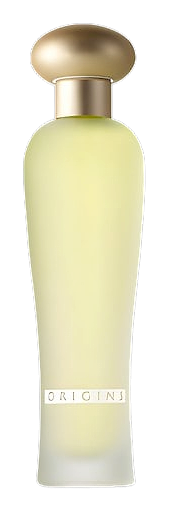
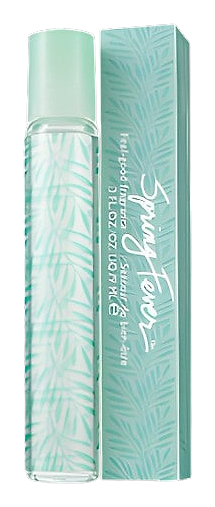
Spring Fever arrived in 1995, and the name says everything. Origins built its debut around that threshold moment, when warmth begins but hasn't taken over, when the air smells green and possible. The house was betting on fragrance as emotional memory, and Spring Fever is that principle made literal: the feeling of a season shifting is the entire brief. No heavy woods, no blockbuster florals. Just the specific, optimistic energy of things beginning. It was Origins stating its position clearly: scent should carry you somewhere, not announce your presence to a room.
The note structure reveals why it holds up. Most green fragrances of the era led with citrus and softened immediately, a bright start, a forgettable drydown. Spring Fever stacks its materials differently. The herbal artemisia and cypress give the opening actual body, a slight medicinal edge that keeps it from reading as generic. Then the yellow florals, specifically linden blossom, which smells faintly sweet and almost creamy, arrive to ground what could have been too austere. The watermelon note (unusual for 1995, well before the aquatic wave fully crested) adds juiciness without sweetness for its own sake. These layers don't compete. They delay each other deliberately.
The evolution
The opening announces itself with authority, citrus and green, a little bite at the back of the nose. Artemisia doing the early work. The first twenty minutes are the most confrontational, which is why most people either love it immediately or give it a chance to settle. Around the thirty-minute mark, the shift begins. The citrus softens into something rounder, the apple sweetness emerges, and linden blossom starts its slow climb through the composition. The watermelon note keeps everything juicy without tipping into candy. By the second hour, you've entered the heart, cheerful, fruity, the green now more aromatic than sharp. The drydown is where Spring Fever earns its reputation. The cypress lingers, providing an herbal warmth that stays close to skin. The longevity is above average; this doesn't quit after an hour or two. What remains at the end of the day is the memory of freshness, not the aggressive citrus of the opening, but something gentler. A garden after rain. Still green. Still present. Not asking for attention anymore but getting it anyway.
Cultural impact
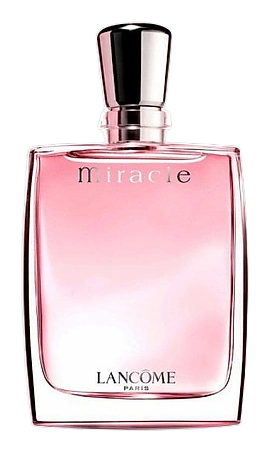
Spring Fever landed in 1995 as a counterpoint to the aquatic and fruity mainstream, green, herbal, with enough complexity to reward attention. Its feel-good character and above-average longevity built a loyal following that persists despite discontinuation. Wearers describe it as the scent of someone who walks into a room and doesn't need to announce themselves. Comparisons to Un Jardin Sur Le Nil, Tommy Girl, and Lancôme Miracle are common, though Spring Fever predates several of these and occupies distinct territory as a green-fresh alternative to the era's louder options.