


    Brand Profile

    Origins is a niche fragrance house that builds its catalog around a small but focused line of scents released between the mid‑1990s and the…More

    4.3

    Rating

    6
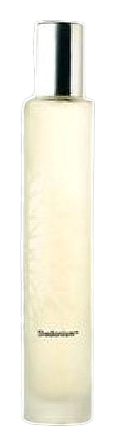
    Shedonism by Origins
    4.3

    Shedonism

    Fretnot by Origins
    Best Seller
    4.7

    Fretnot

    Ginger Essence by Origins
    Best Seller
    4.4

    Ginger Essence

    Spring Fever by Origins
    Best Seller
    4.4

    Spring Fever

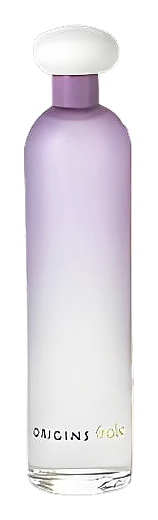
    Frolic by Origins
    4.3

    Frolic

    Gloomaway Grapefruit by Origins
    3.5

    Gloomaway Grapefruit

    The Heritage

    The Story of Origins

    Origins is a niche fragrance house that builds its catalog around a small but focused line of scents released between the mid‑1990s and the late 2000s. The brand offers six distinct creations, each named to evoke a specific mood or memory. By keeping its range tight, Origins lets collectors explore a coherent evolution of style without the clutter of mass‑market releases.

    Heritage

    Origins entered the perfume scene in 1995, a year when independent houses began to challenge the dominance of legacy French maisons. Its debut fragrance, Spring Fever, arrived amid a growing appetite for fresh, garden‑inspired scents. The brand followed with Ginger Essence in 2000, a composition that highlighted the spice’s bright, peppery edge at a time when culinary notes were gaining popularity in perfumery. In 2003, Origins released Frolic, a playful blend that combined citrus and woody accords, reflecting the early‑2000s trend toward gender‑fluid fragrances. Shedonism arrived in 2007, offering a darker, incense‑rich profile that resonated with the rise of niche perfumers exploring deeper, more contemplative themes. Gloomaway Grapefruit, launched in 2009, marked the brand’s most experimental effort, using cold‑pressed grapefruit oil to achieve a vivid, almost tactile brightness. Throughout its first fifteen years, Origins remained independent, sourcing ingredients from small farms and maintaining production in modest facilities that favored hand‑crafted techniques over large‑scale automation. The brand’s steady output and consistent aesthetic earned it a modest but loyal following among fragrance enthusiasts who value continuity and craftsmanship over fleeting trends.

    Craftsmanship

    Origins produces each fragrance in small batches, a practice that allows the house to monitor every stage of development. The formulation team begins with a scent brief, then selects raw materials that meet strict purity standards. Natural essential oils arrive from growers in Madagascar, Italy, and the United States, where the brand verifies organic certification and fair‑trade compliance. For synthetic components, Origins works with reputable chemical manufacturers that publish detailed safety data. Once the ingredients are gathered, the perfumers blend them in stainless‑steel vessels, allowing the mixture to macerate for a period that ranges from two weeks to three months depending on the composition’s complexity. During maceration, the team conducts regular organoleptic tests, adjusting ratios to achieve the intended balance. After aging, the perfume is filtered through fine mesh to remove any particulate matter, then transferred into hand‑filled glass bottles under low‑light conditions to preserve volatile top notes. Quality control includes gas chromatography analysis to confirm that each batch matches the reference profile. The final product receives a batch number and a signed certificate of authenticity, reinforcing the brand’s commitment to traceability and artisanal integrity.

    Design Language

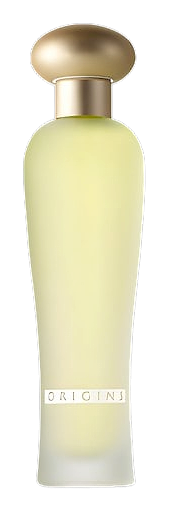
    Origins presents its fragrances in minimalist glass bottles that emphasize clarity and form. The bottles feature a slender, tapered silhouette with a smooth, frosted surface that catches light without reflecting it harshly. A simple metal cap, brushed in matte brass, adds a tactile contrast while remaining unobtrusive. Labels consist of black serif type on a white background, displaying the fragrance name and year of release in a restrained layout. The brand’s visual language extends to its printed materials, which use generous white space, muted earth tones, and high‑resolution photography of the raw ingredients that inspired each scent. Store displays echo this approach, favoring natural wood plinths and soft, indirect lighting that invites close inspection. By limiting decorative flourishes, Origins lets the perfume itself become the focal point, reinforcing the house’s belief that scent should speak louder than visual spectacle.

    Philosophy

    Origins believes that a scent should act as a portable memory, a principle that guides every decision from ingredient selection to packaging. The house respects the centuries‑old methods documented by ancient Greeks and Romans, yet it refuses to treat tradition as a constraint. Instead, Origins treats historical techniques as a toolbox, mixing them with contemporary sensibilities to create fragrances that feel both familiar and new. The brand values transparency, so it discloses the botanical origin of each key note and the harvest season whenever possible. Sustainability informs the creative process; Origins prefers renewable resources and works with growers who practice low‑impact agriculture. The house also encourages personal storytelling, inviting wearers to attach their own narratives to each bottle rather than imposing a fixed brand story. By focusing on authenticity, the brand hopes to foster a deeper, more personal connection between perfume and wearer.

    Key Milestones

    1995

    Launch of Spring Fever, the brand's first fragrance, introducing a garden‑inspired scent profile.

    2000

    Release of Ginger Essence, highlighting a bright, peppery ginger note sourced from small farms in India.

    2003

    Frolic debuts, blending citrus and woody accords to explore gender‑fluid fragrance trends.

    2007

    Shedonism arrives, offering an incense‑rich composition that reflects a shift toward darker niche scents.

    2009

    Gloomaway Grapefruit launches, using cold‑pressed grapefruit oil for a vivid, fresh top note.

    2015

    Origins celebrates its 20th anniversary with a limited‑edition re‑release of Spring Fever in heritage packaging.

    At a Glance

    Brand profile snapshot

    Collection

    1

    Fragrances released

    Avg Rating

    4.3

    Community sentiment

    Release Rhythm

    2009
    1
    2007
    1
    2003
    1
    2000
    1
    1995
    1

    Did You Know?

    Interesting Facts

    Distinctive details and defining moments that shape the house personality.

    01

    Spring Fever was one of the first niche fragrances in the mid‑1990s to use a natural meadow grass absolute harvested at dawn.

    02

    Ginger Essence sourced its primary ginger oil from a cooperative of smallholders in Kerala, India, who practice intercropping to preserve soil health.

    03

    Frolic incorporated a rare Tuscan cypress resin that the brand obtained from a single family-owned distillery still operating since the 1800s.

    04

    Gloomaway Grapefruit employed a cold‑press extraction method rarely used in perfumery, preserving more of the fruit’s natural zest and reducing solvent use.