
The Story
Why it exists.
The beginning
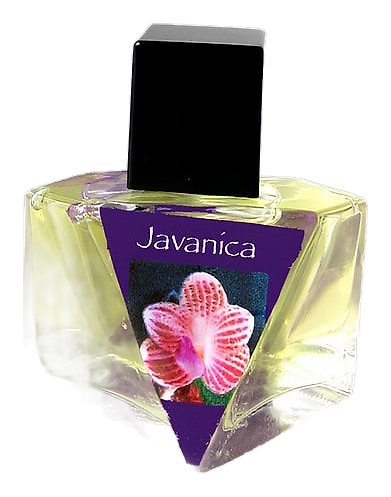
Javanica began with a flower that no longer exists in the wild. Phalaenopsis javanica, a moth orchid, survives today only in botanical collections and the private greenhouses of obsessive growers. Ellen Covey, a botanist who spent years cultivating rare orchids, found herself drawn not to the orchid's visual perfection but to what it represented: something beautiful and nearly lost. The species produces small red-striped flowers that hide beneath large, waxy, umbrella-like leaves, unassuming to the eye, striking in scent. A spicy, heady, seductive fragrance from something that prefers to stay in the shade. That contradiction became the perfume's engine. The orchid itself is extinct in the wild, preserved only through human intervention.
What makes Javanica unusual is its axis. Sweet and spicy are common enough alone. Together, they form a pairing that suggests warmth, exoticism, and a certain heat, but Javanica inserts a corrective: green tea. That note runs through the heart like a cool stream through a warm room. It tempers the sweetness, cuts the spice, and keeps the composition from tipping into heaviness. The orchid itself contributes something harder to quantify. Moth orchids, phalaenopsis, are among the most widely cultivated houseplants in the world, grown for their sculptural flowers rather than their scent, which is often negligible. Covey chose a species that produced something worth smelling.
The evolution
The opening is citrus-first and immediate, bergamot and orange arriving clean and bright, with a fruity undertone that reads as sweet without being sugary. It lasts longer than most citrus openings, holding its cool clarity for the first thirty to forty-five minutes before the composition begins to pivot. The heart introduces green tea's unexpected coolness alongside lily of the valley, delicate, clean, slightly green, and rosewood's warm woodiness. Nutmeg adds a subtle spice that keeps the florals from floating away. This is the phase that defines Javanica: the tension between the cool and the warm, the green and the sweet, held in suspension. The drydown is where the composition finds its full expression. Frankincense arrives smoky and resinous, blending with vanilla's sweetness into something warm, close, and lingering.
Cultural impact
At fifteen years old, Javanica occupies a distinctive position among niche fragrances, appealing to collectors who prioritize botanical fidelity over mass-market appeal. The green tea and orchid combination sets it apart from conventional orientals and mainstream florals alike. It's a fragrance that stands apart from the ordinary, offering something unexpected, specific, and memorable to those who encounter it.