The Story
Why it exists.
The beginning
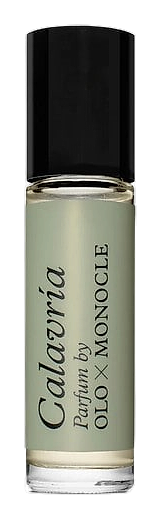
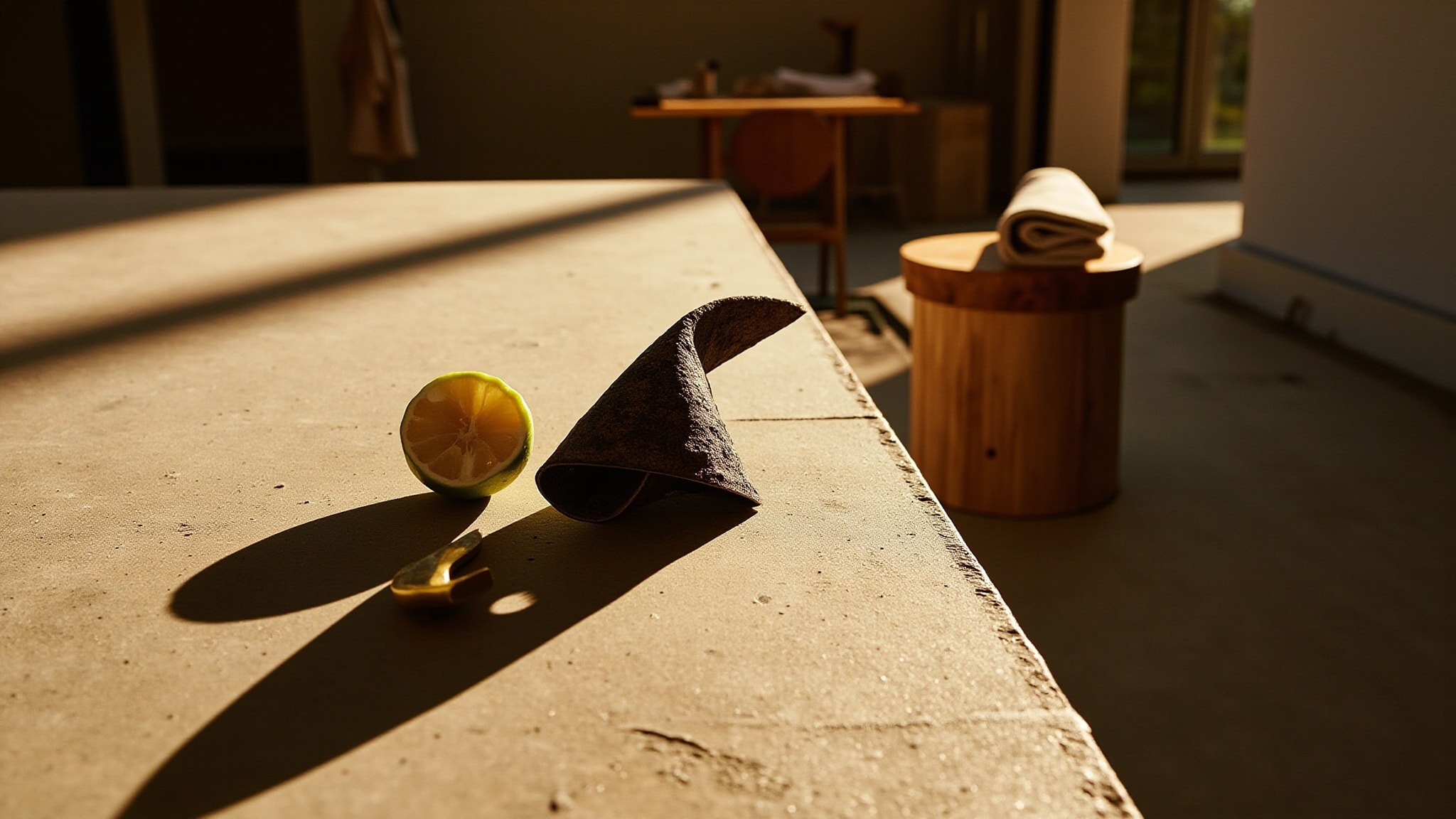
Calavria is a collaboration between OLO and Monocle. The fragrance is named for Calabria, the southern Italian region whose coast faces the Ionian Sea, and where bergamot has been grown for centuries. The reference is geographic, literal, and unembellished: orchards in the late afternoon, a breeze moving inland off saltwater, the particular quality of Mediterranean light when the day is three-quarters spent. Perfumer Heather Sielaff built the composition around Calabrian bergamot as the central material, letting the citrus carry the warmth and bitterness of the place rather than building a conventional top-note sparkle. Birch and moss anchor the structure, giving the scent its smoky, earthy pull. There's no floral interlude, no gourmand twist. It's landscape writing, done in glass.
What's interesting here is the restraint. Most bergamot-forward compositions treat the citrus as a gateway to something else, a bright prelude to a deeper heart. Calavria doesn't do that. The bergamot stays present throughout, shifting register as the fragrance dries down, moving from sharp and zesty to something warmer and almost resinous. Birch reinforces that trajectory, contributing a smoky leather quality that reads as forest floor and sun-warmed bark. Moss, used here as a structural element rather than a decorative green note, ties everything to earth. The result is a composition that feels like one continuous gesture rather than a pyramid. It doesn't change costume between acts. It just deepens.
The evolution
The first thirty minutes are the brightest. Calabrian bergamot opens sharp, slightly bitter, with that distinctive green-edged character that distinguishes it from generic citrus. There's a coolness from the start, an aquatic thread that suggests proximity to water without ever smelling literally marine. As the first hour passes, the birch begins to surface. The smoke is subtle, more like the memory of a distant fire than something burning nearby. It adds texture rather than drama. By the second hour, the moss has settled in and the composition feels grounded. The bergamot is still present but muted, more of a warm rind quality than fresh zest. The birch and moss together create something that reads as damp forest floor in late summer, mineral and alive. Through hours three and four, the scent holds remarkably steady. There's no dramatic shift, no sudden base-note reveal. The fragrance just sits at a comfortable distance, neither projecting aggressively nor fading into skin.
Cultural impact
Calavria occupies a specific corner of the niche world: geographic, restrained, and deeply anti-gourmand. It appeals to wearers who want a fragrance that reads as a place rather than a mood. The collaboration with Monocle gave it reach beyond the usual indie perfumery audience, drawing in readers interested in design, travel writing, and the editorial treatment of material culture. What makes Calavria distinctive is its refusal to soften. There's no sweetness to round out the composition, no floral cushion to make the smoke more palatable. The bergamot does the heavy lifting, and it carries the scent's identity with unusual clarity.