
The Story
Why it exists.
The beginning
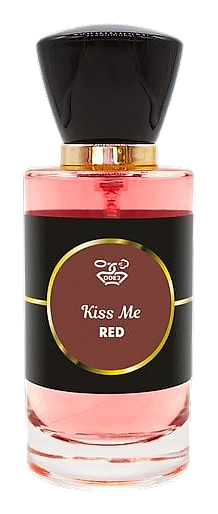
Kiss Me Red arrived in 2020 from Odetu, the independent house that built its name on gourmand pleasures taken seriously. The brief was in the name itself, this is a fragrance that asks for something, that reaches rather than waits. Perfumer Andrey Chibisov stacked it with the obvious sweetness cherry and caramel deliver, but anchored everything to a chypre structure that prevents it from dissolving into pure confection. It's hedonism with a backbone.
What makes the composition interesting is the ambergris. Used sparingly, it adds a warm animalic quality that lifts the cherry from candy into something more complex, a slightly salty, almost marine undertone beneath the fruit. Combined with labdanum's dark, resinous character, the base resists the temptation to be merely sweet. Oakmoss then adds a mineral, earthy quality that recalls vintage chypres without replicating them. The result is a fruity fragrance that doesn't abandon the genre's more interesting roots.
The evolution
Blood orange opens sharp and citrus-bright, cutting through everything that follows. Within minutes the cherry arrives, ripe and slightly overripe at once, not the clean Maraschino kind, something darker, more honest. The rose in the heart softens it, petals rather than perfume. The ambergris surfaces quietly, adding warmth without sweetness. By hour three, the caramel has fully arrived. The labdanum keeps it from going entirely gourmand, balsamic, resinous, slightly smoky. The oakmoss lingers longest, the quiet anchor that stays on skin well into the next day if you don't wash it off.
Cultural impact
Kiss Me Red belongs to a strand of niche perfumery that treats sweetness as a feature, not a flaw. Cherry-forward fragrances have accumulated a dedicated following across the indie and mid-tier market, Kilian's Black Phantom, Xerjoff's Italica, and this composition sits in that company with less brand recognition but comparable ambition. The chypre structure sets it apart from more straightforward fruity options, giving it an edge that niche audiences tend to reward. Overtime reception has been polarizing in the expected ways: the sweetness works for some, reads too bold for others, but the longevity earns consistent praise.