The Story
Why it exists.
The beginning
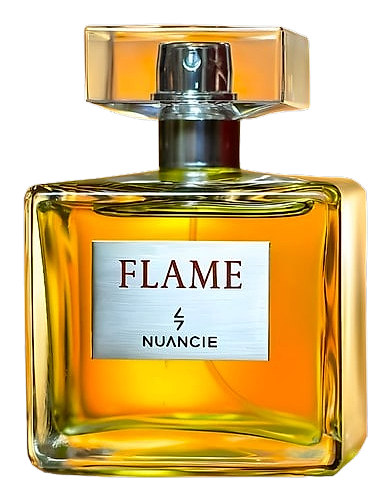
Flame arrived in 2019 from Nuancielo, a Brazilian house founded in São Paulo in 2013. The name says what it is: intensity and sensuality wrapped into one composition. According to the brand, Flame translates desire into an enveloping fragrance, something that doesn't whisper when it could strike.
The structure is deliberate. A two-note citrus opening, bitter orange and bergamot, provides the initial spark, but it's engineered not to last. The heart, cinnamon and musk, takes over within minutes, shifting the energy from bright to warm. The base builds on vanilla and tonka bean, with sandalwood providing the foundation that keeps everything grounded. What makes this interesting is the hand-off: the citrus doesn't fade so much as surrender.
The evolution
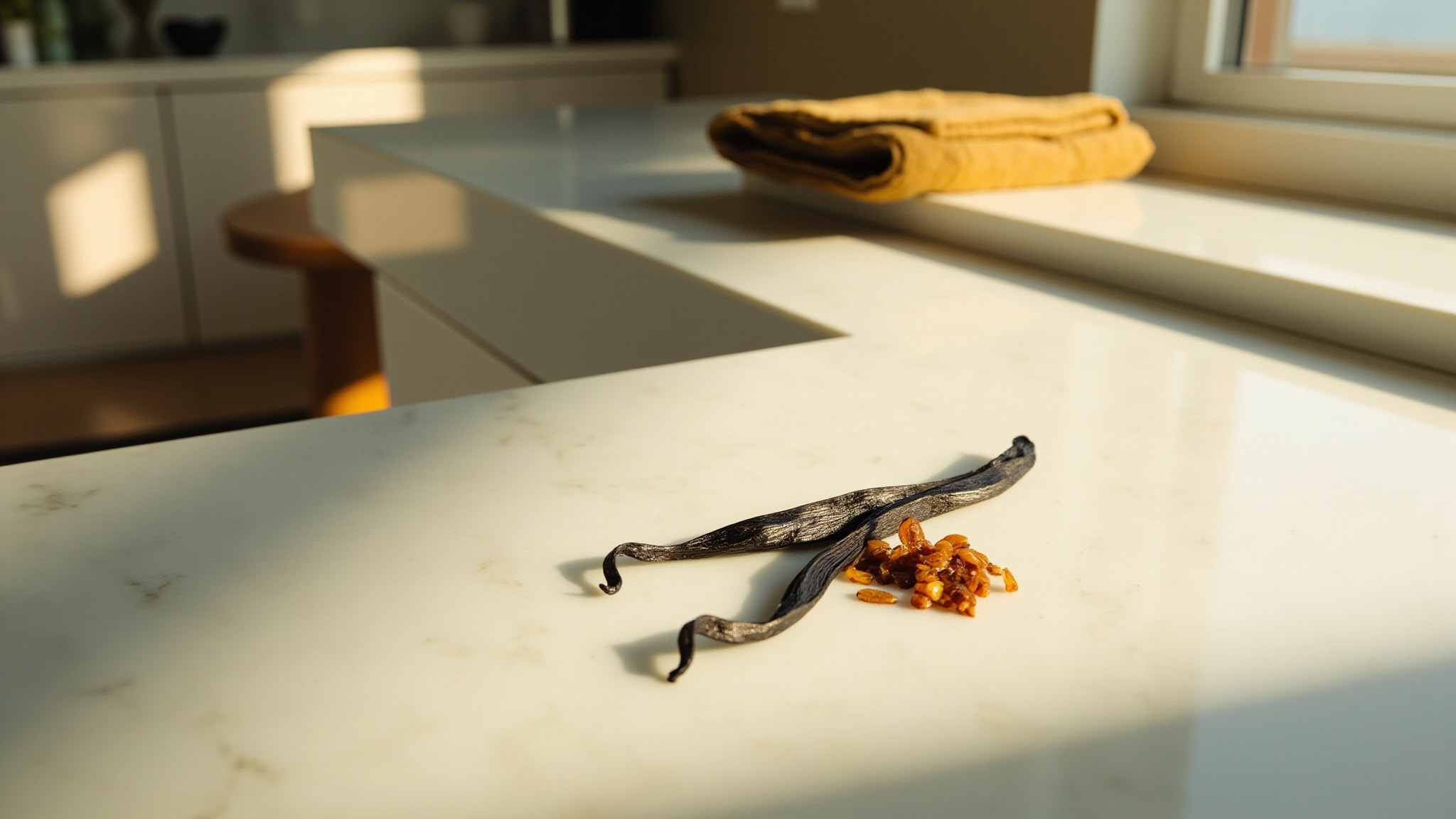
The opening is a flash, bitter orange and bergamot, quick and citrusy, almost gone before you've registered it. Then cinnamon arrives like a slow exhale, warm and slightly spiced, woven through with a clean musk that keeps it from becoming heavy. The vanilla doesn't rush. It builds quietly under the surface, arriving fully formed around the two-hour mark, mixing with tonka bean into something powdery and intimate. Sandalwood holds everything steady in the base, keeping the drydown close to skin rather than projecting outward. By the fourth or fifth hour, it settles into a warm whisper, vanilla, cashmere, clean skin.
Cultural impact
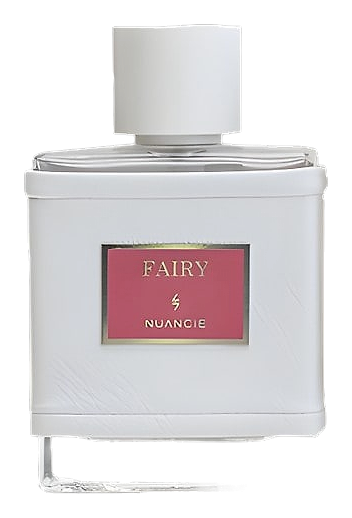
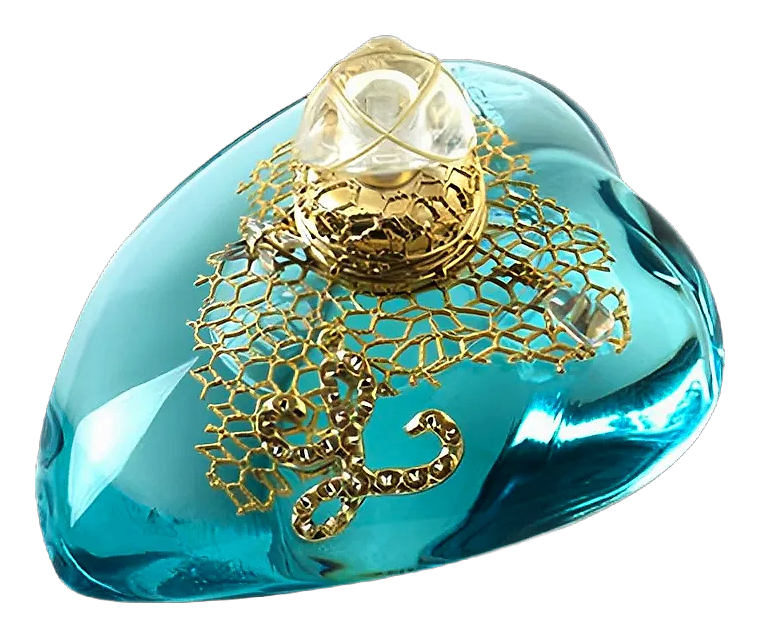
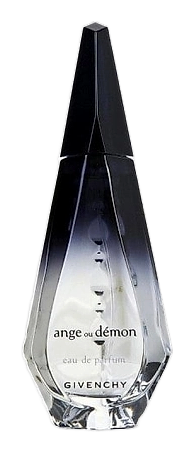
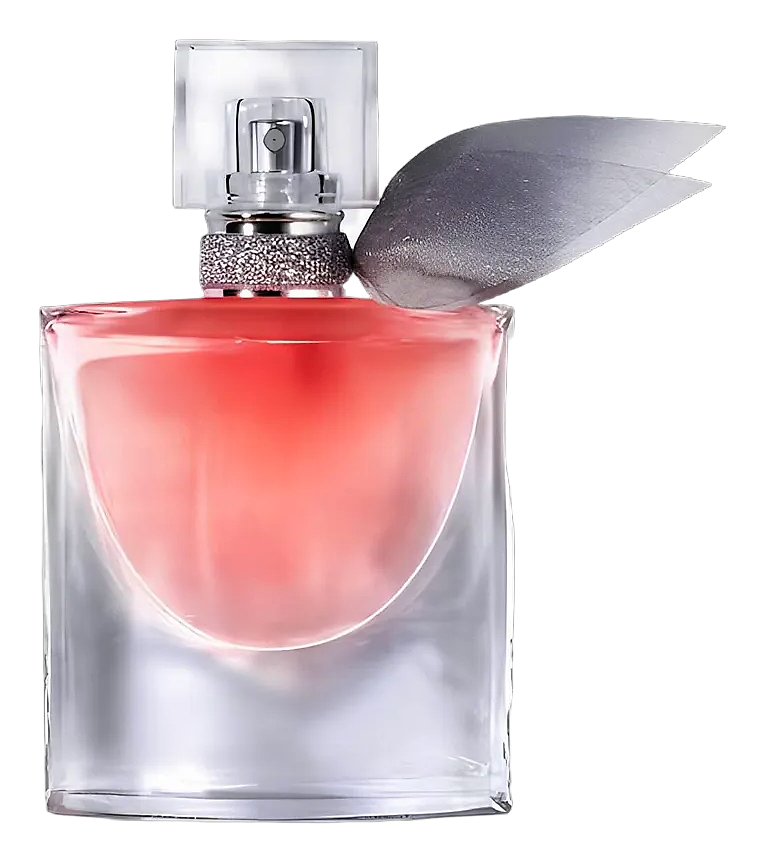
Flame sits in the Oriental Vanilla category alongside entries like Lolita Lempicka and Dior Hypnotic Poison. Community data suggests it's most worn in fall and winter, with spring as a secondary season. The fragrance appeals to those who want warmth without heaviness, a vanilla that stays close rather than announcing itself.