
The Story
Why it exists.
The beginning
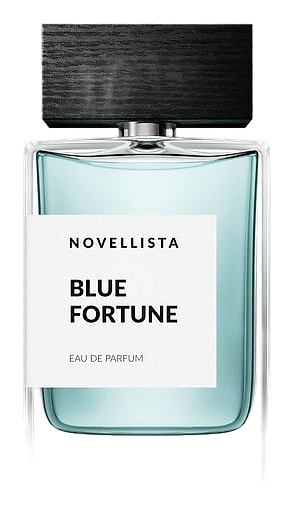
For Blue Fortune, the editorial brief asked a question: what does personal honor smell like? Christian Vermorel translated that intent into a Chypre Fruity structure, pairing white florals with conifer and resinous woods. The fragrance opens with calamus, juniper, and lime, creating a fresh, green, vaguely saline quality reminiscent of ocean waves. The citrus and herbaceous top notes blend with a conifer edge that keeps the opening from reading as sweet. As the top notes fade, white florals emerge, their warmth pushing against the woody backbone. The base settles into cedar and patchouli, with resinous elements rounding the composition into something that feels complete and balanced rather than skeletal.
The note structure balances restraint against richness. Calamus bridges the citrus and woody accord in a way that keeps the opening from reading as generic aquatic. Nut grass adds a warm, slightly bitter facet that most wearers won't identify by name but will feel as complexity. Elemi resin rounds the cedar and patchouli into something that smells complete rather than skeletal, lending a faint piney softness that grounds the composition without adding weight.
The evolution
The opening unfolds with citrus and calamus, sharp, green, vaguely saline. Juniper berries add a conifer edge that keeps the lime from reading as sweet. As the fragrance develops, jasmine and rose move in, not loud but insistent, their white floral warmth pushing against the conifer backbone. The drydown is where Blue Fortune settles into its character. Cedarwood dominates, with patchouli adding a mineral-earth depth and elemi resin lending a faint piney softness. What remains is clean cedar and patchouli, present but not heavy, the kind of composure that suggests quiet confidence.
Cultural impact
Blue Fortune's use of calamus and nut grass reflects a commitment to distinctive botanical extracts over mainstream synthetics. These unusual materials, rarely found in mass-market fragrances, signal a different set of priorities than commercial perfumery. Novellista's approach represents an alternative model of fragrance authorship, where perfumers can make material choices based on creative vision rather than commercial viability. The house occupies a space within niche perfumery that values unconventional ingredients and narrative depth.