The Story
Why it exists.
The beginning
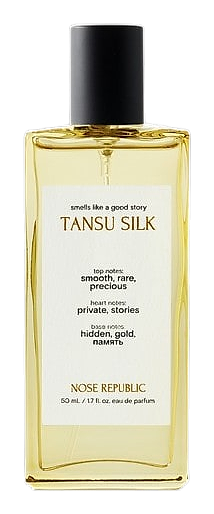
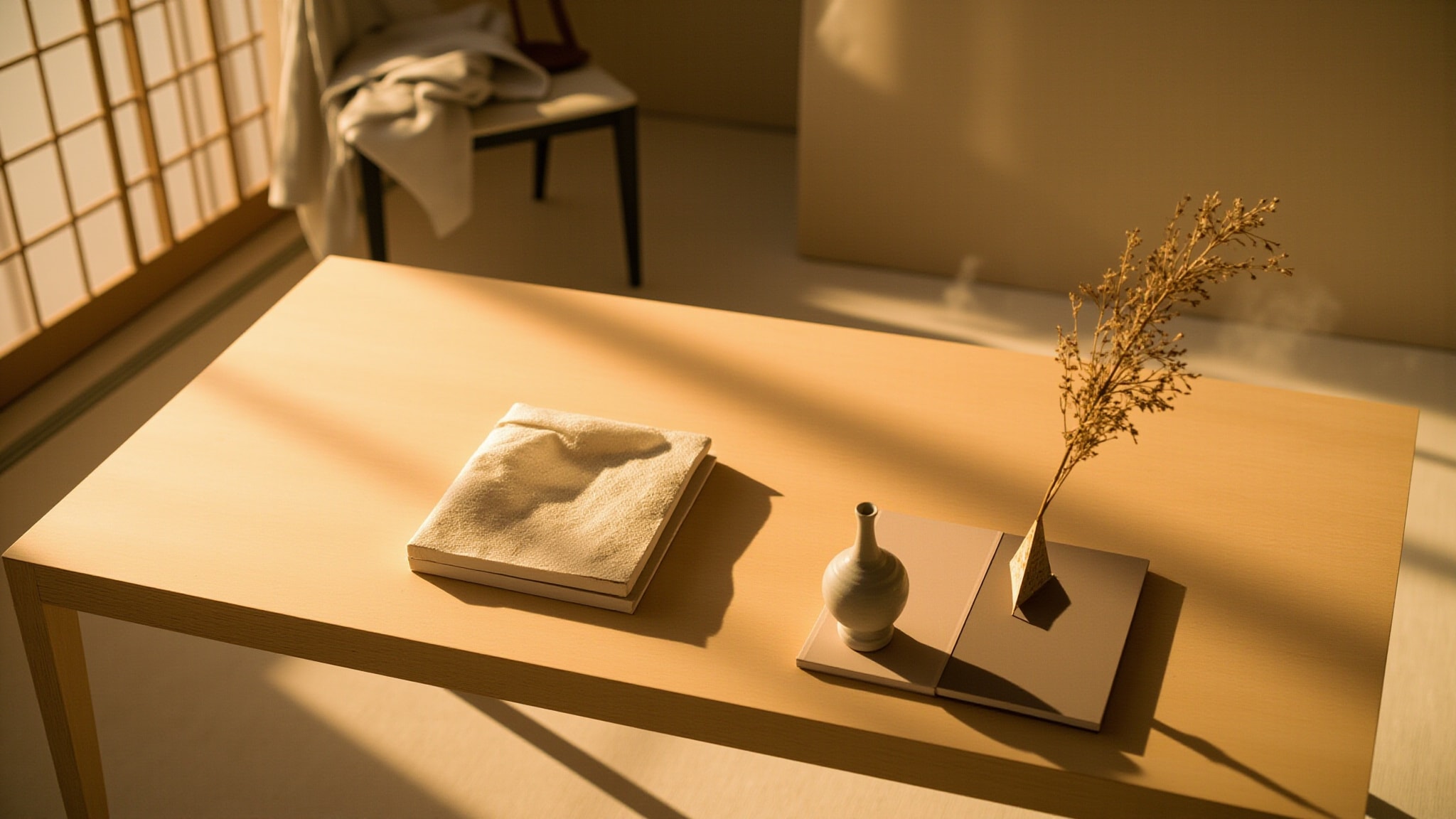
The name Tansu comes from the Japanese wooden chests used to store precious family heirlooms, books passed down, silks kept from one generation to the next. Each tansu carries the history of the family it belongs to, and when opened, exhales the warmth of things kept safe. That scent, warm textiles, incense, the memory of fabric, is the creative backbone of this fragrance.
Maria Golovina wanted to translate that idea into something you could wear, not just remember. Osmanthus blooms provide the golden, slightly animalic sweetness of apricot. New Caledonian sandalwood gives warmth and cream. Ambrette adds a soft, musky powder. Hinoki cypress brings that mineral clarity of Japanese cedar. The result is a fragrance that feels like the inside of a cherished wooden chest, preserved, layered, alive with accumulated memory. It's the kind of scent that rewards close attention rather than filling a room, one that stays with you long after you've left.
The evolution
The opening leads with camphor, a cool, slightly medicinal clarity that opens the composition rather than warming it. Osmanthus blooms beneath, slowly softening the camphor's sharpness. Pink pepper adds aromatic lift while hinoki cypress contributes clean forest structure. The osmanthus continues to deepen and sweeten, and the sandalwood begins to anchor everything into warmth. The camphor settles completely as the composition progresses. Osmanthus and sandalwood become inseparable, a single warm, powdery presence that persists. The fragrance remains intimate and close, like something precious you've kept alive.
Cultural impact
Tansu Silk appeals to people who choose scents that mean something rather than scents that announce something. The osmanthus-ambrette pairing is unusual in contemporary independent perfumery. The fragrance is intimate and layered, built to last rather than to impress in the first minute. It's the kind of fragrance people lean in for, not the one that fills the room.