The Story
Why it exists.
The beginning
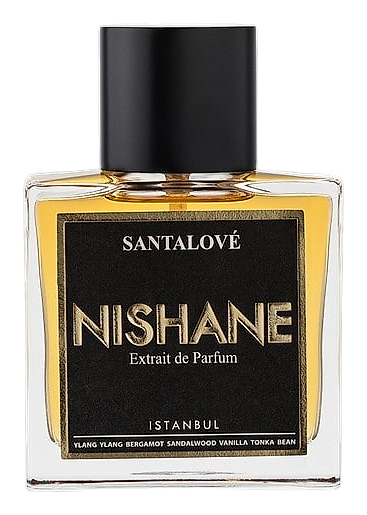
Santalove arrived in 2013 from Nishane, the Turkish house that had just begun building its reputation for bold, high-concentration fragrances. Perfumer Jorge Lee, one of the independent noses Nishane partners with rather than an in-house creation, approached this one with a single obsession: what happens when sandalwood and vanilla stop competing and start cooperating? The name says it all. Santalove is love letter to sandalwood, written in vanilla.
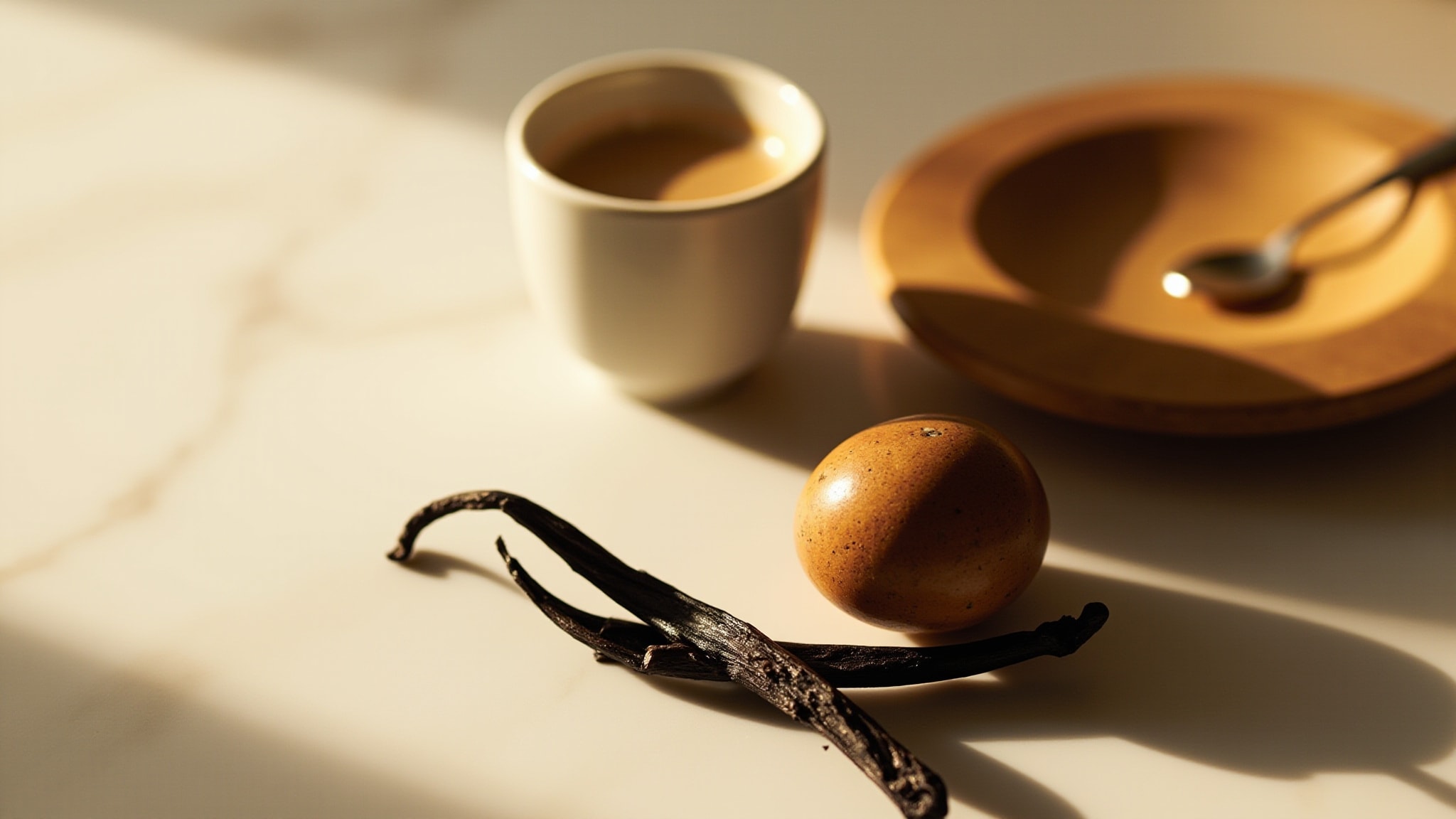
The pyramid is unusually spare, five materials total. Ylang-ylang, bergamot, sandalwood, vanilla, tonka bean. No backup singers, no supporting cast. Every material has to do real work. The ylang-ylang carries an animalic undertone that surfaces differently on different skin, which is why some wearers describe a skunky edge and others find it tropical and lush. That's the risk of minimalism. Everything shows.
The evolution
The opening is quick and bright, bergamot citrus over ylang-ylang's tropical weight, maybe ninety seconds before the sandalwood arrives. The heart is where Santalove earns its name: creamy, warm, slightly buttery sandalwood softened by vanilla's sweetness. This phase lasts the longest, four to six hours of creamy wood. The drydown is quieter, tonka bean's coumarin whisper over a vanilla base that refuses to fully disappear. On fabric, it lingers into the next day. The sillage is strong for the first two hours, then settles into a comfortable aura.
Cultural impact
Santalove was discontinued, which has only deepened its reputation among niche collectors. The sparse pyramid and strong performance metrics made it a signature scent for those who wanted vanilla without the cloying sweetness. Its discontinuation gave it cult status. The 2013 release now commands a premium on the secondary market.