
The Story
Why it exists.
The beginning
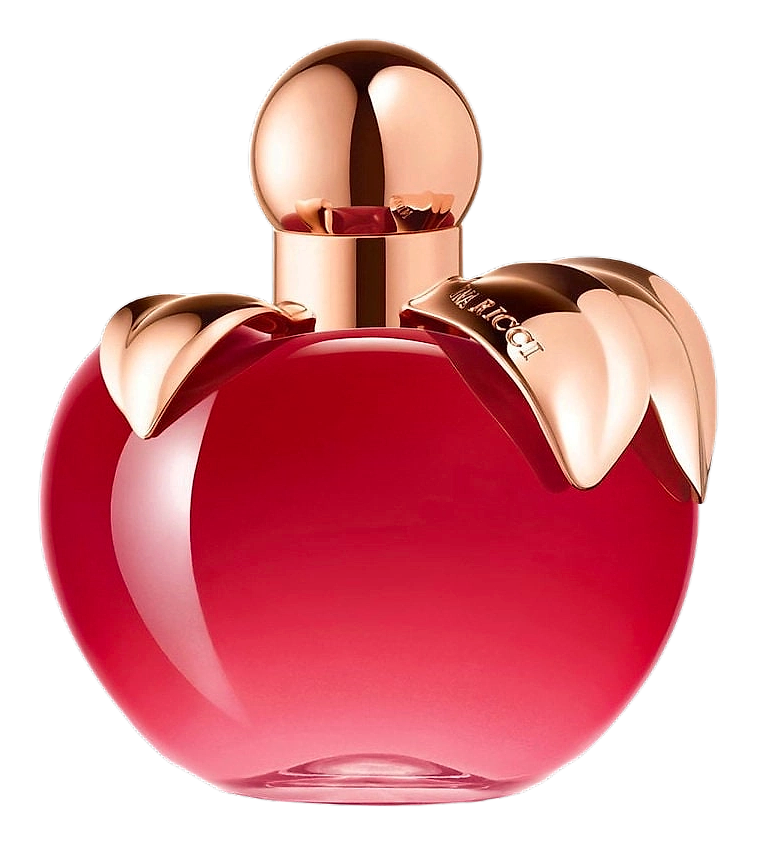
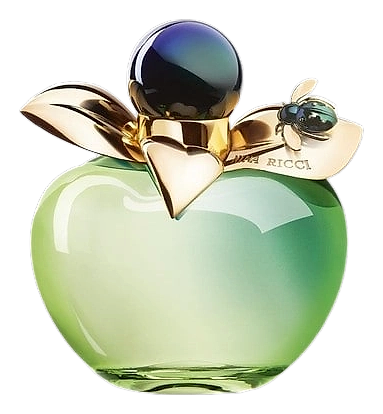
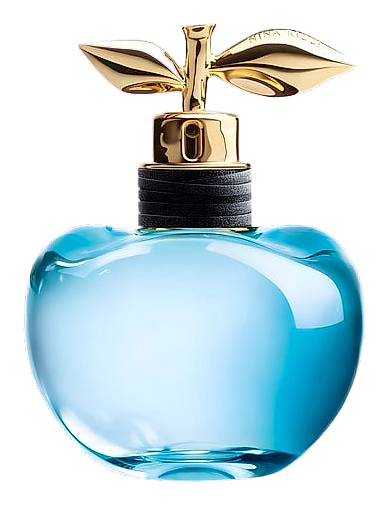
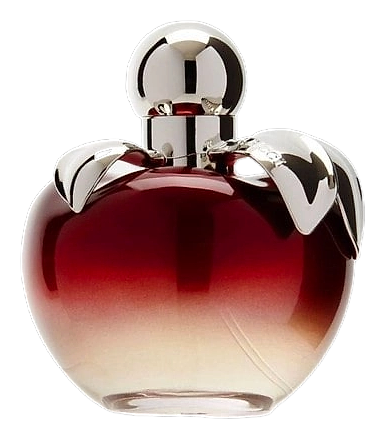
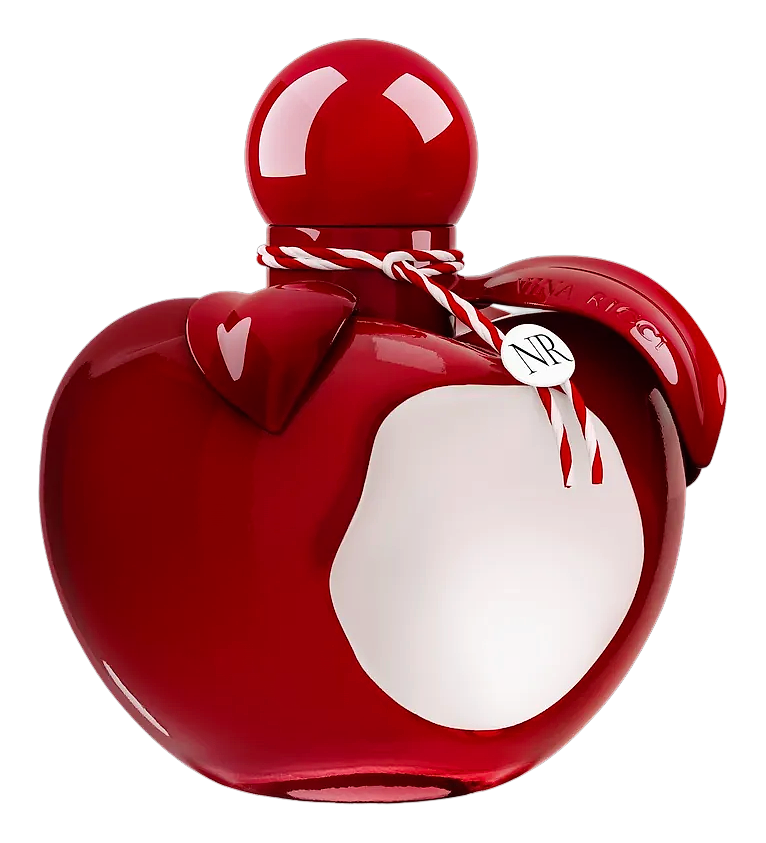
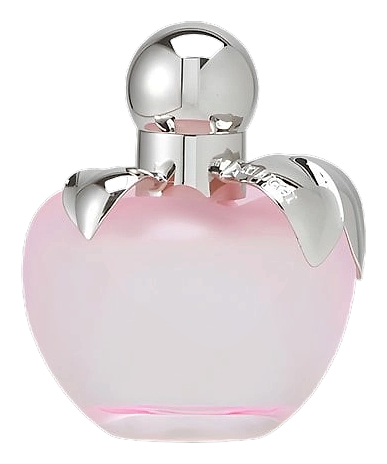
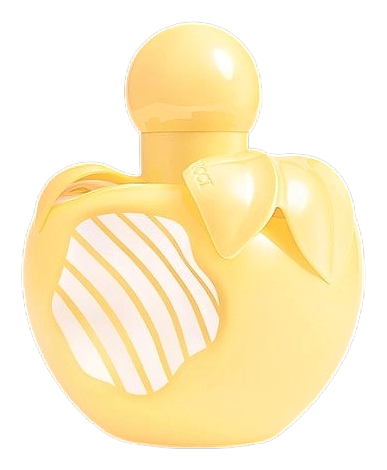
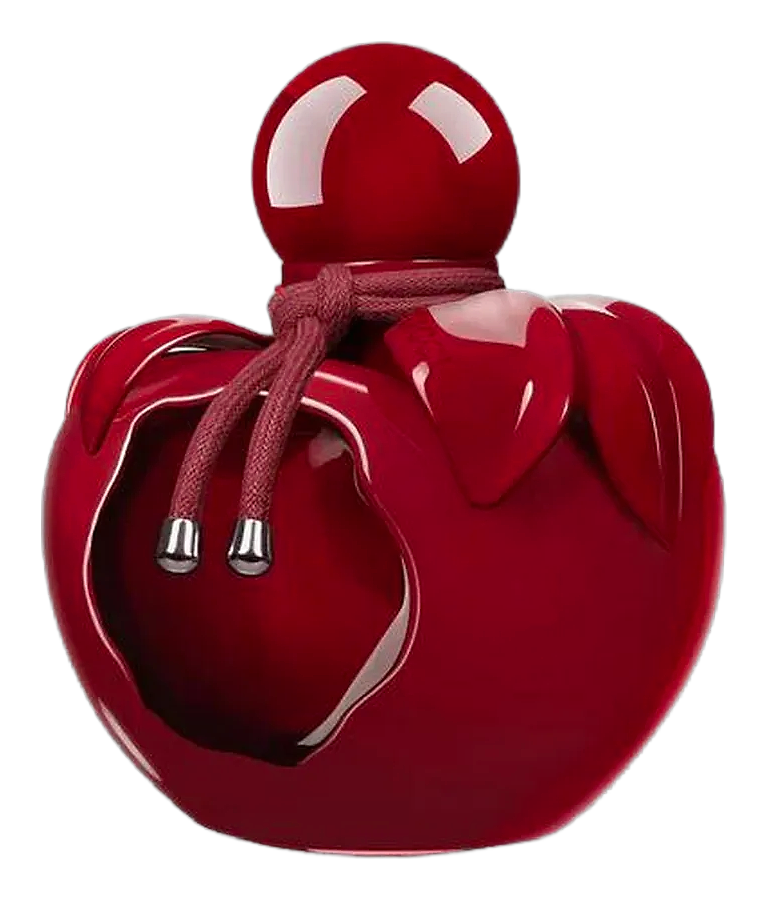
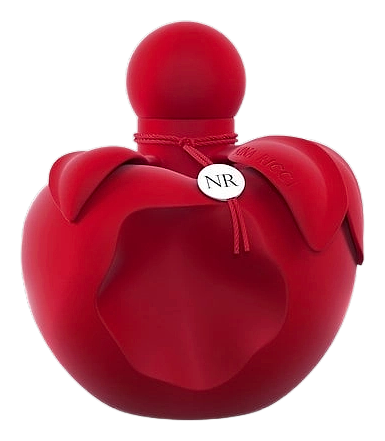
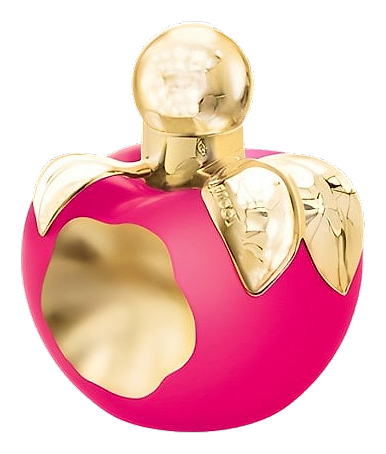
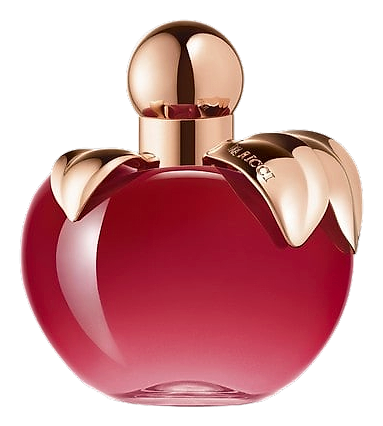
In 2006, Nina Ricci released a fragrance that became a cultural touchstone, a red candy apple encased in a surrealist bottle that looked like you'd want to bite it. The scent was immediate gratification: bright, sweet, unapologetically youthful. It sold millions of bottles and became shorthand for a certain kind of girlish abandon. Two decades later, the house asked Olivier Cresp and Sophie Labbé to revisit that moment. Not to recreate it, to grow it up.
The challenge was translating that recognizable Ricci spirit into something that feels right for now. The answer wasn't louder or sweeter. It was more refined. The bergamot and pear open with a brightness that feels less syrupy, more translucent, like morning light through glass. The pistachio cream in the heart adds an edible richness that feels less juvenile, more considered. Gardenia threads through to keep it recognizably floral, while vanilla and sandalwood anchor everything in warmth. The result is a composition that knows what it is without having to shout it.
The evolution
The opening hits immediately: bergamot and pear, bright and clean. The pear doesn't linger, within twenty minutes, it steps aside and lets the pistachio cream take the stage. That's the real character of this fragrance. That warm, edible nuttiness that stays for hours. Gardenia weaves through the heart, keeping the floral thread alive, but it's the pistachio that writes the melody. By hour three, the vanilla and sandalwood arrive. They don't compete. They settle in close, wrapping the composition in something soft and persistent, the kind of warmth that stays until morning. On fabric, it can last until the next day.
Cultural impact
The 2026 Nina bridges the house's heritage with a new generation of wearers. It carries the spirit of the 2006 original, the playfulness, the sweetness, the joy, but updates it for someone who wants more sophistication. The question isn't whether it will find an audience. It's whether the audience will recognize what they've been waiting for.
The House
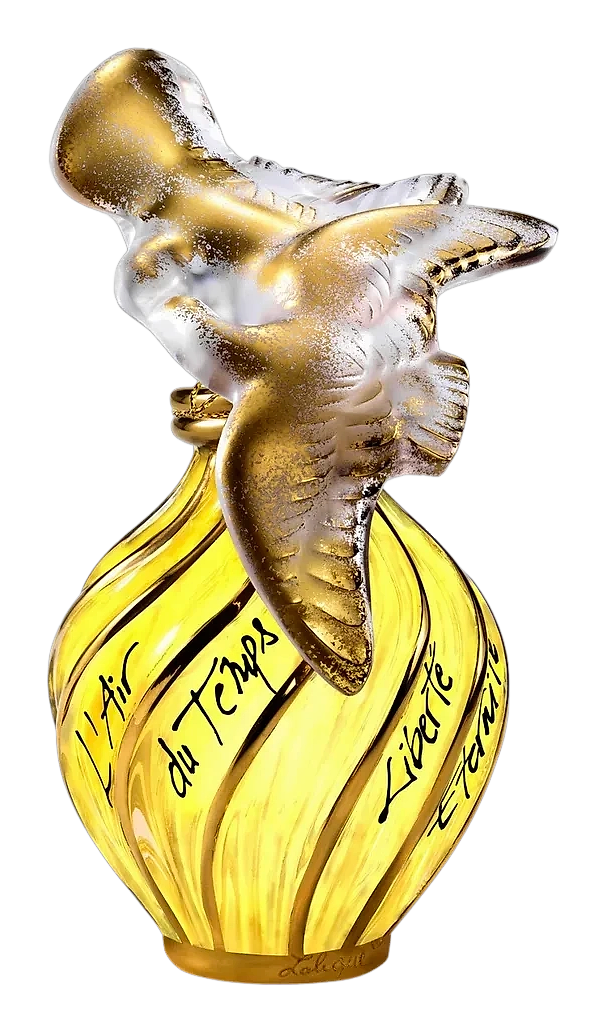
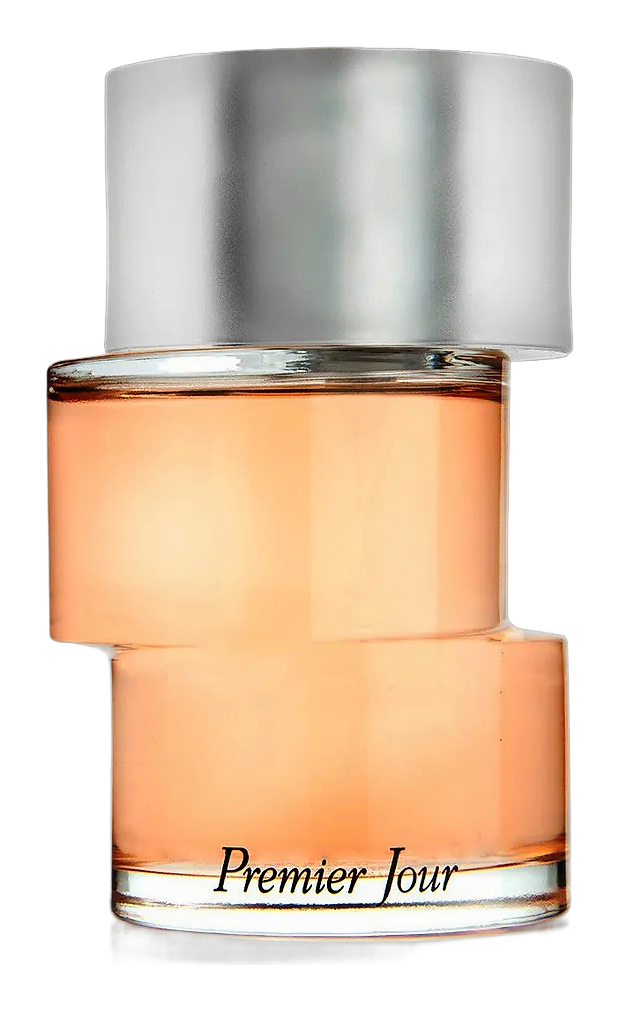
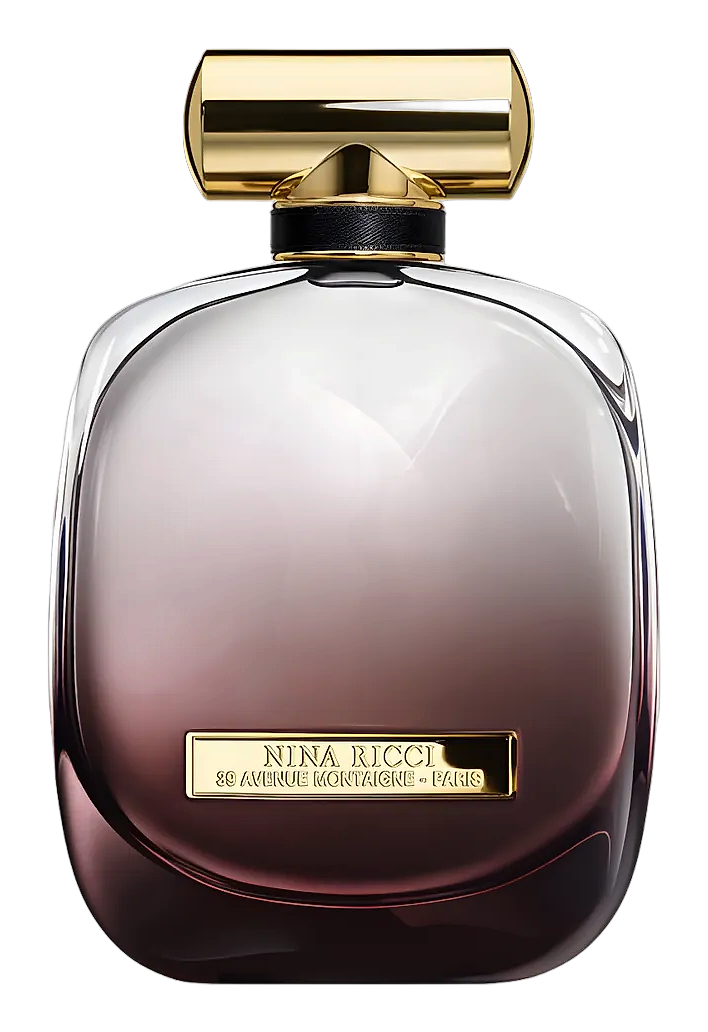
Nina RicciNina Ricci is a Parisian fashion house founded in 1932 by Italian-born designer Maria "Nina" Ricci and her son Robert Ricci. The house began as a couture salon on Rue Haussmann, quickly establishing a reputation for refined, feminine gowns with romantic sensibility. Robert established an in-house perfume division in 1941, though the first fragrance would not arrive until 1946. That inaugural scent, Coeur Joie, marked the beginning of a partnership with Lalique that would define the house's olfactory identity. The house introduced its most celebrated fragrance, L'Air du Temps, in 1948, a scent that remains in production decades later. Puig acquired Nina Ricci in 1998, bringing the house under the same ownership that manages Carolina Herrera and Jean Paul Gaultier. Today, the fragrance collection spans from timeless classics to contemporary offerings like the Nina line, maintaining the house's commitment to feminine elegance.
The Creator
Olivier Cresp & Sophie LabbéCresp's signature style often features a blend of fresh, clean notes with warm, comforting accords. He's known for his masterful use of fruit notes, particularly fig and berries, which he often combines with florals and musks to create scents that are both inviting and sophist…