The Story
Why it exists.
The beginning
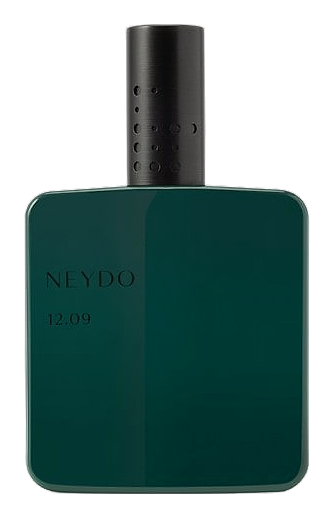
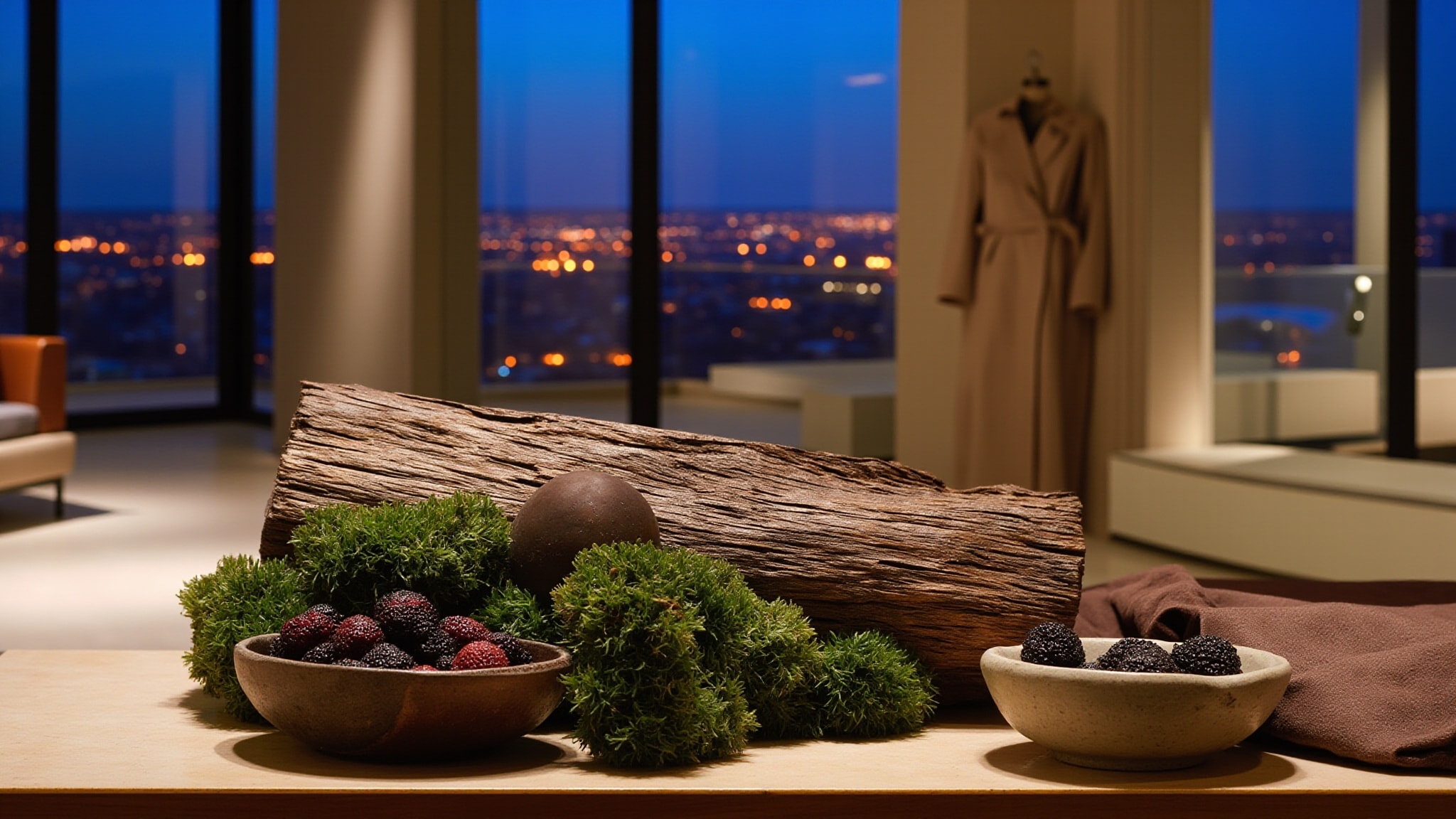
Maud Chabanis built Mossland 12.09 from a single nocturnal image: the sensation of falling through clouds into a forest below. The brief was literal, moss, fern, cedar, but the result transcends botanical accuracy. It's the idea of woodland, not the reality. The chypre structure anchors the composition in something ancient while the ambergris and white amber push it toward something modern, almost otherworldly. This is dream-logic perfumery: the forest as feeling rather than place.
What makes Mossland 12.09 distinctive is its use of crystallised moss alongside white amber. The combination creates an almost mineral quality, the smell of moss on stone after rain, preserved and concentrated. The ambergris doesn't read as marine or salty here; it reads as animalic warmth, the skin beneath the forest floor. Combined with vetiver's smoky root character, the base becomes a landscape rather than a single note. White cedar in the heart adds creamy woodiness that prevents the composition from feeling too austere, while clove provides just enough spice to keep things interesting.
The evolution
The opening hits fast and green, juniper berry and cypress cutting through like cold air at altitude. Pink pepper adds a slight spark, a moment of electricity before the descent. Then the heart arrives: white cedarwood and clove, warmer and denser, like the forest floor coming into view. The transition is smooth but striking, you've moved from sky to earth in under a minute. The drydown is where this fragrance lives: oakmoss and vetiver create an earthy, almost animalic base, while ambergris and white amber add a quiet, powdery warmth that clings to skin for hours. The sillage is intimate but persistent, you'll catch it on yourself the next morning, a ghost of green in the sheets.
Cultural impact
Mossland 12.09 arrives at a moment when woody fragrances are having a quiet renaissance, but most lean into warmth, oud, sandalwood, amber. Mossland 12.09 goes the other direction: green, cold, and mossy in a way that recalls the chypres of the 1970s but with a modern synthetic edge that makes it feel contemporary. The powdery drydown and intimate sillage suit the current preference for fragrances that stay close to the skin rather than announcing themselves across a room.