The Story
Why it exists.
The beginning
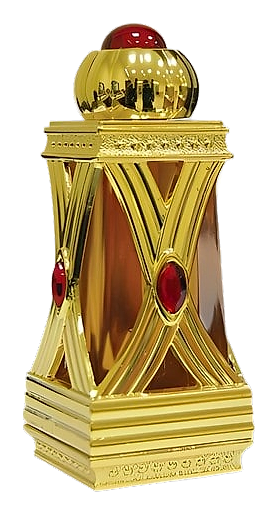
Haifa sits squarely within Nabeel's catalogue of oil-based and spray compositions, a body of work known for resinous orientals built around oud, rose, and amber. The release year is not recorded in available sources, but its olfactory DNA is unmistakable: a dense composition where the resinous base and precious woods carry as much structural weight as the floral heart. Nabeel's fragrant vocabulary leans into materials most Western perfumery treats as accents, treating them instead as the main architecture of the scent. Haifa reads as a serious piece of that tradition, the kind of formulation aimed at wearers who want their fragrance to declare rather than suggest.
What distinguishes Haifa from the crowded field of resinous orientals is how it balances the rose-violet floral axis against the oud-amber backbone. Violet adds a powdery, almost cosmetic lift that prevents the resins from collapsing into pure sweetness. Rose here reads more as dried petals than dewy blooms, folded into the balsam rather than placed on top. Precious woods provide the gravitational field, and agarwood threads through every phase without ever becoming the loudest voice.
The evolution
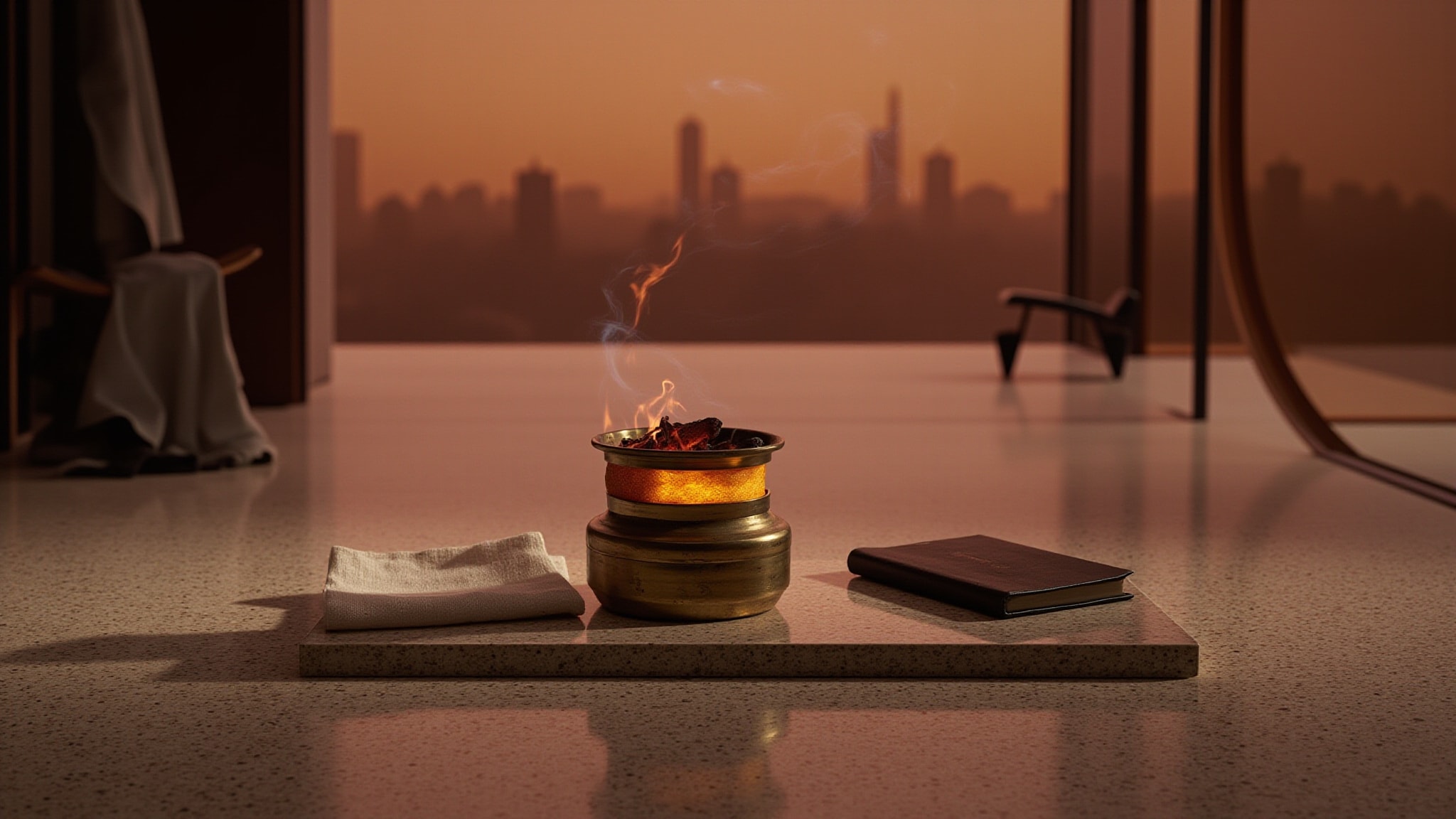
The first minutes belong to balsam and resins, with violet already threading through underneath. There's a smoky, almost churchy quality to the opening, like bakhoor smoldering in a brass holder, and the oud announces itself as texture rather than as a sharp medicinal note. As the composition warms against skin, the rose gradually opens up. Not the bright, jammy rose of Western perfumery but a drier, slightly bitter rose, sitting inside the resin cloud rather than above it. Over time the florals recede just enough to let the precious woods and agarwood take over, and the scent draws closer in a soft, vanillic-balsamic hum. What remains late in the wear is woody, faintly sweet, and still recognizably Haifa.
Cultural impact
Haifa wears like an inheritance rather than a trend piece, carrying the warmth and density that anyone raised around oud-heavy wardrobes would recognize immediately. It reads familiar to noses acclimated to Gulf perfumery, with the amber-oud backbone intact and the violet serving as a cooling counterpoint to the heavy base materials. The rose threading through the heart keeps the composition from tipping into pure resinous sweetness, giving it enough lift to feel composed rather than heavy-handed.