The Story
Why it exists.
The beginning
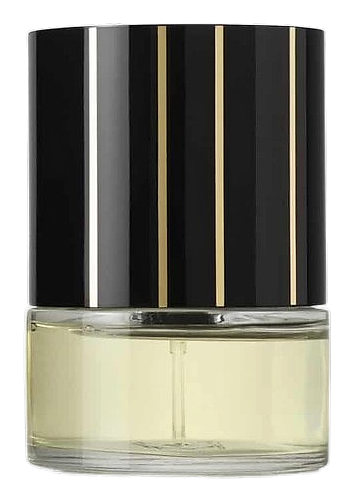
Facet 707 was conceived as an exercise in restraint. N.C.P. Olfactives builds its collection around the idea that fragrance should be built, not just worn, and this composition invites you to use it as a foundation. Oud and patchouli anchor the work: two materials with reputations for being heavy-handed. The challenge was to let them speak clearly without shouting. Cardamom opens the conversation with a brief brightness. Saffron follows to add warmth without sweetness. Then the woods take over. What arrives on skin is neither aggressive nor polite, it's simply present, waiting for you to decide what comes next.
The double appearance of oud, top and base, is the structural choice that makes 707 interesting. Rather than a single oud moment, the material threads through the entire wear, first as a sharp statement, then as a quiet underscore. Patchouli provides the earthy counterweight, grounding what could read as abstract spice into something tangible. Sandalwood bridges the transition, its creaminess softening the hand-off from heart to base. The result is a fragrance that doesn't dramatically shift gears, it deepens. Same materials, different reading, depending on where you are in the day.
The evolution
The opening hits quick: cardamom's sharp bite followed immediately by saffron's warm honey. Oud arrives within the first minutes, adding a smoky darkness that patchouli underpins. This phase holds for roughly two hours, the woods circling each other, neither claiming the foreground. Then sandalwood enters and the texture shifts. Creamier. The sharpness recedes. What was angular becomes smooth. The drydown belongs to musk and amber now, with oud returning as a whisper rather than a statement. It stays close to skin for hours after, no drama, no fade. Just presence.
Cultural impact
Oud-based fragrances carry centuries of cultural significance across the Middle East and South Asia, where agarwood has been used in sacred rituals, traditional medicine, and perfumery for generations. The ingredient's rarity, derived from infected Aquilaria trees, has made it a symbol of status and luxury. In recent years, Western designers have embraced oud, blending it with spices like cardamom and saffron to create fragrances that bridge Eastern tradition and contemporary Western taste.